
Beautiful Plants For Your Interior
Beautiful Plants For Your Interior
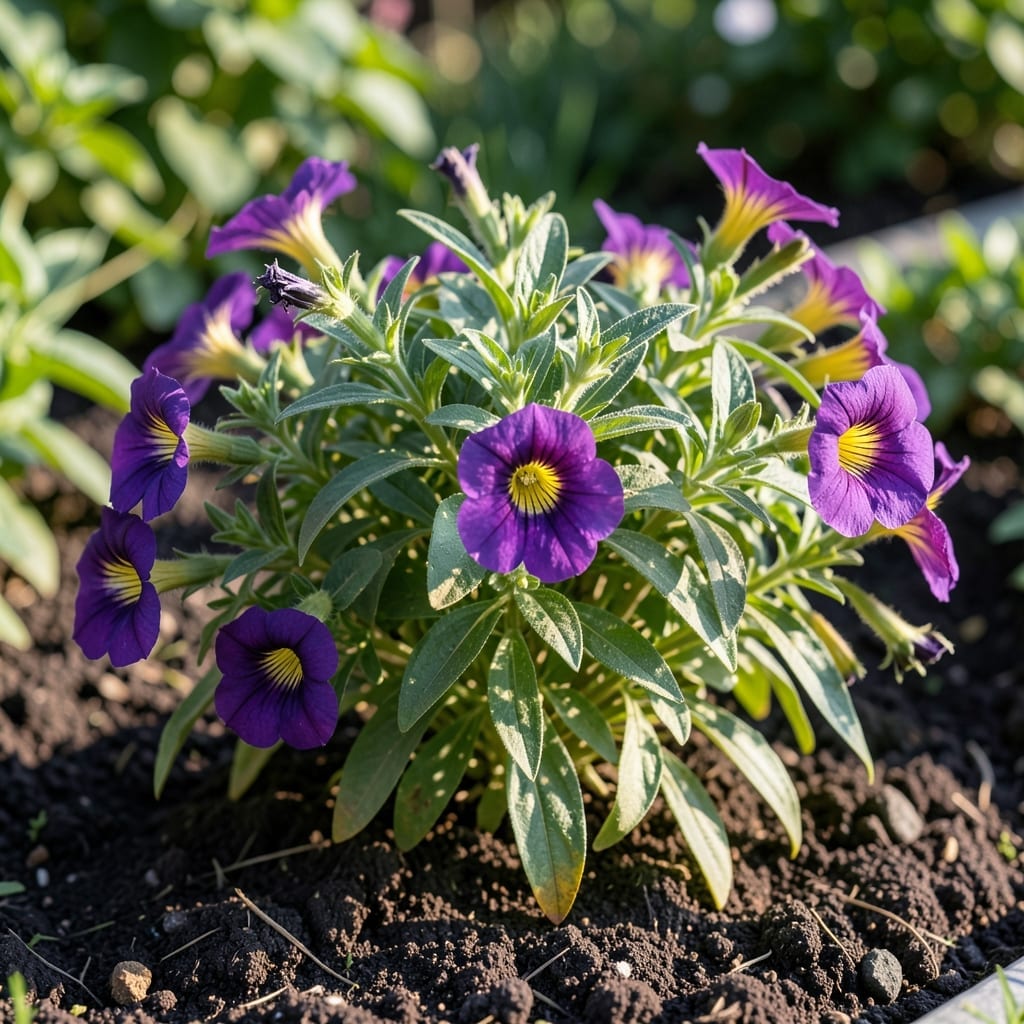
Firefly petunias are tender perennials in warm climates but are typically grown as annuals in colder regions where frost kills them off each year.
Their lifespan depends entirely on your local climate. In frost-free zones like USDA 10-11, they’ll return year after year with proper care. 🌟 But in areas with harsh winters, they’re treated as seasonal plants since they can’t survive freezing temperatures.
What makes them unique is their hybrid nature, bred for both beauty and adaptability. I’ve found they thrive when given consistent sunlight and well-draining soil, regardless of how you classify them.
💡 In This Article
The classification as annual or perennial comes down to frost tolerance. Firefly petunias are tender perennials native to tropical regions of South America, where temperatures rarely dip below 50°F. Their cellular structure lacks the adaptations to survive freezing, unlike hardy perennials that store energy in roots for winter regrowth. 🔥
In USDA zones 10-11, where winter lows stay above 30°F, these plants persist year-round. They enter a semi-dormant state during cooler months but resume vigorous growth when temperatures climb above 60°F. This explains why they’re true perennials in Miami but die back in Chicago. ✨
Below 32°F, ice crystals form within their cells, rupturing membranes and killing the plant. Even light frosts (28-32°F) cause immediate wilting and blackening of foliage. This frost sensitivity is why gardeners in zones 9 and below treat them as annuals—replanting each spring after the last frost date. 💫
Their lifecycle mirrors other tender perennials like coleus or lantana. In ideal conditions, firefly petunias can live 3-5 years, developing woody stems and producing more abundant blooms with each passing season. This longevity is only achievable where they’re protected from cold snaps. ⚡
What sets them apart from true annuals is their ability to regrow from existing roots if the crown survives. In marginal zones (zone 9), a thick mulch layer can sometimes provide enough insulation for them to return the following year. This transitional behavior demonstrates how climate directly dictates their growth habit. 🌟
Only in warm climates like USDA zones 10-11. Elsewhere, they won’t survive frost and must be replanted each spring.
Apply a 4-6 inch mulch layer or move potted plants indoors before temperatures drop below 50°F. This extra protection can help them regrow.
Their tropical origins mean they lack frost resistance. Even light frosts (28-32°F) cause cell damage, killing the plant.
Yes! Bring pots inside before cold weather and place them in a bright, cool spot. They’ll return stronger next season.