
Beautiful Plants For Your Interior
Beautiful Plants For Your Interior
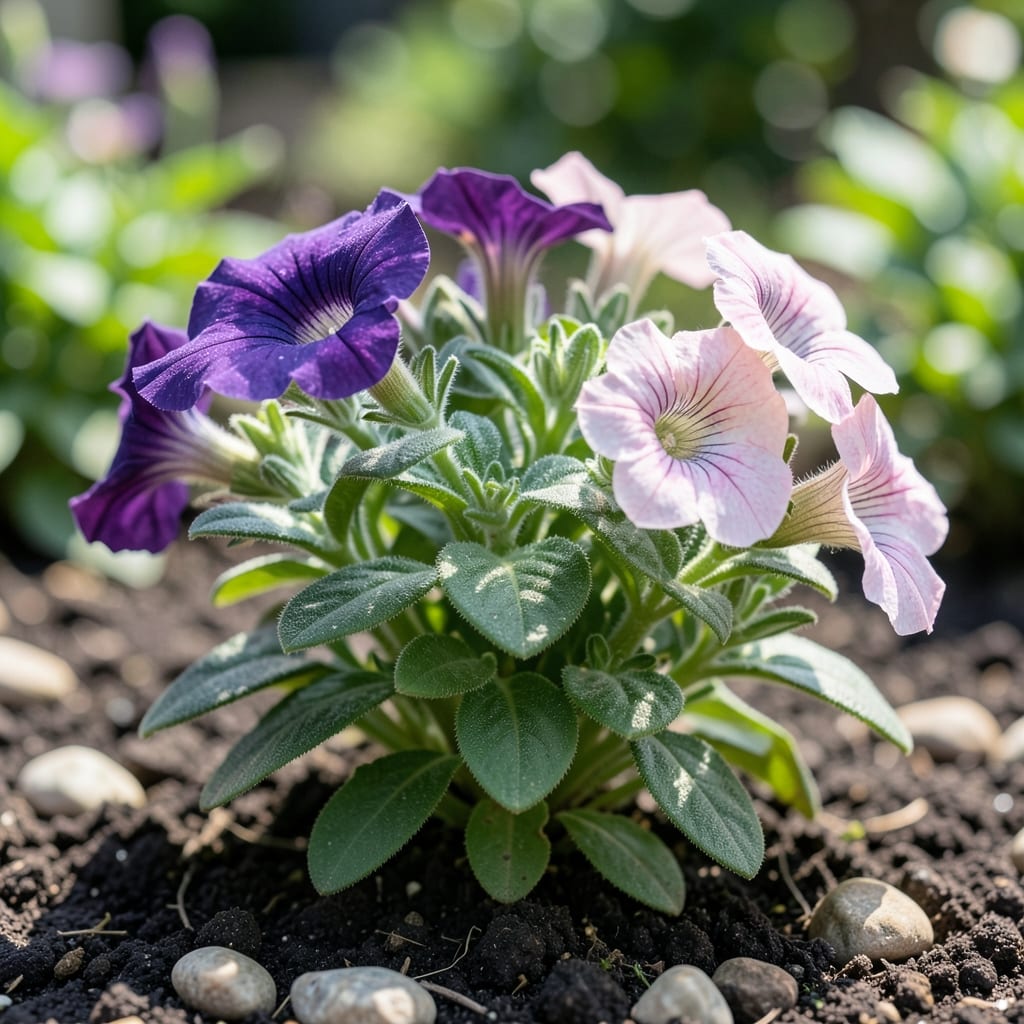
Petunias are typically grown as annuals in most climates, completing their lifecycle in one season. However, they are technically tender perennials that can return in frost-free zones.
What makes petunias unique is their sensitivity to cold. In zones with freezing winters, they won’t survive to the next year, so gardeners treat them as seasonal plants. 🌟 I’ve found that in warmer regions like USDA zones 9-11, they can thrive year-round with proper care and protection from occasional cold snaps.
This dual nature explains why you’ll see them labeled differently depending on where you garden. Their ability to rebloom under the right conditions makes them a favorite for continuous color.
💡 In This Article
The key factor is frost sensitivity. Petunias are native to South America, where they evolved in warm climates without freezing temperatures. Their cell structures can’t withstand 32°F or below, causing immediate damage. This is why they die back in winter across most of the U.S., behaving as annuals despite their perennial classification. 🔥
In USDA zones 9-11, where winter lows stay above 20°F, petunias can survive year-round. They enter dormancy during cooler months but regrow from their base when warmth returns. I’ve seen established petunia plants in Florida produce blooms even in December during mild winters.
Gardeners in colder zones often treat them as annuals because replanting each spring is simpler than overwintering. The plants grow rapidly, reaching maturity in 8-12 weeks, making annual replacement practical. Their seed pods can also self-sow in ideal conditions, creating volunteer plants the following year.
What most people don’t realize is that petunias are technically short-lived perennials. Even in perfect conditions, they typically decline after 2-3 years as the woody stems become less productive. This natural aging process explains why professional growers often replace them annually regardless of climate. ✨
The growth habit also plays a role. Spreading varieties like Wave petunias can root at nodes, creating new plants that may survive where the original crown dies. This adaptive trait helps them persist in marginal climates, though they’ll still need protection from hard freezes.
They can’t survive 32°F or below. Their tropical origins mean cell damage occurs at freezing temps, killing the plant in most U.S. climates.
In USDA zones 9-11, they may regrow from their base if winter lows stay above 20°F. In colder areas, they won’t return without replanting.
Even as perennials, they typically decline after 2-3 years. Most gardeners replace them annually for consistent, vibrant blooms.
Yes! Dig up healthy plants before frost, repot them, and keep indoors above 50°F with minimal watering. Replant in spring.