
Beautiful Plants For Your Interior
Beautiful Plants For Your Interior
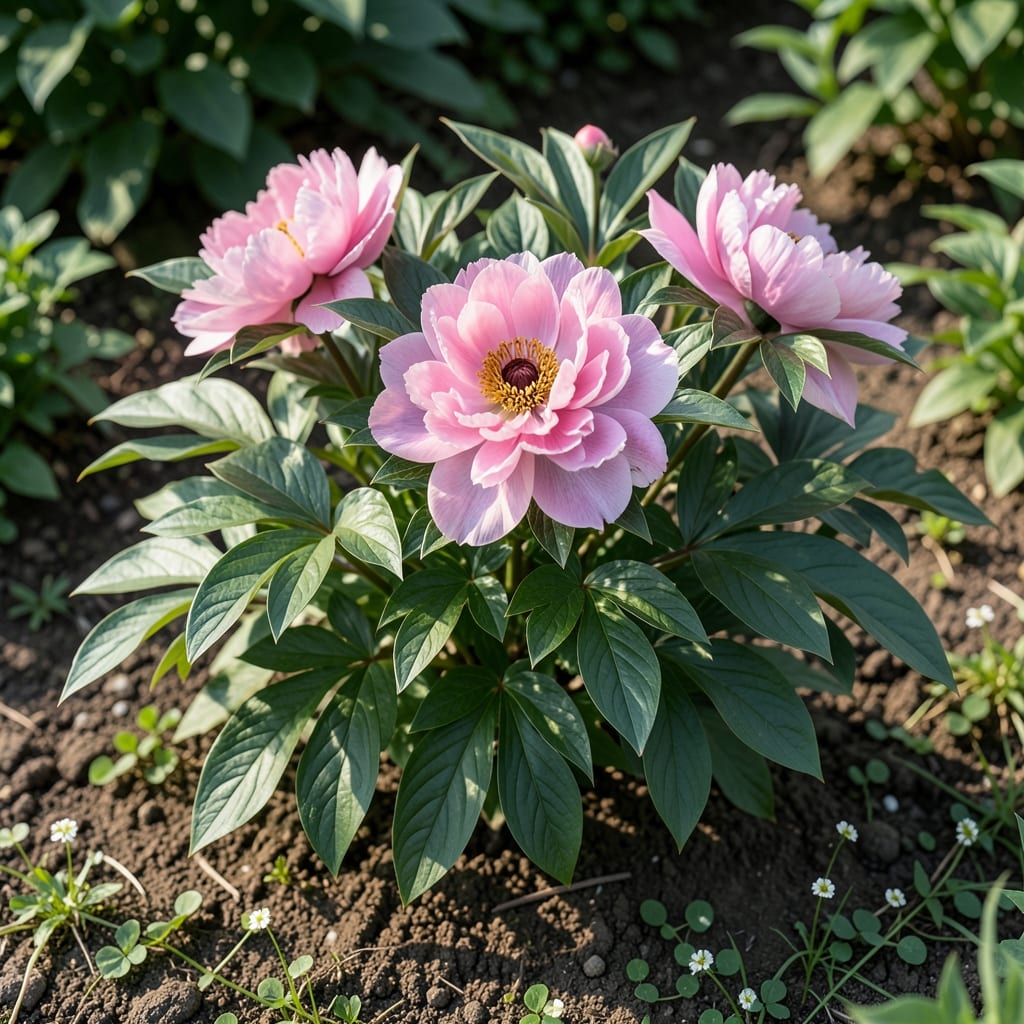
Peonies are exceptionally hardy perennials, thriving in USDA zones 3-8 with minimal winter protection. Their deep root systems allow them to survive freezing temperatures and return year after year with vibrant blooms.
I’ve seen these plants bounce back after the harshest winters, thanks to their ability to store energy in thick, fleshy roots. Zones 3-8 cover most of the U.S., making them a reliable choice for gardeners in diverse climates. They enter dormancy in fall, which acts as a natural shield against cold snaps. ✨
What’s impressive is their longevity—some established peony clumps can thrive for decades with almost no intervention. 💫
💡 In This Article
The secret lies in their thick, tuberous root system, which can extend 12-18 inches deep into the soil. This depth places the crown (where new growth emerges) below the frost line, protecting it from freezing temperatures. The roots act as storage organs, holding enough energy to fuel spring regrowth even after months of dormancy. 🔥
During winter, peonies enter a state of deep dormancy, where all aboveground growth dies back. This isn’t damage—it’s a survival strategy. The plant redirects its energy underground, where the roots remain alive but inactive until soil temperatures rise above 40°F in spring. This dormancy period is triggered by shorter daylight hours in fall. ✨
Their natural cold protection includes a process called cold acclimation. As temperatures drop in autumn, the plant gradually increases the sugar concentration in its cells. This acts like natural antifreeze, preventing ice crystals from forming and damaging cell structures. Some varieties can survive temperatures as low as -40°F. 💫
Another key adaptation is their ability to form buds at the crown in late summer. These buds contain the next year’s flowers and foliage, already developed but protected by thick, waxy scales. This gives them a head start when warm weather returns, often blooming before many other perennials have even broken dormancy. ⚡
The plant’s waxy stem coating also helps reduce water loss during winter thaws. While less critical than the root system, this adaptation prevents desiccation when plants might otherwise lose moisture to cold, dry winds. This combination of strategies makes peonies some of the most reliable perennials for cold climates. 🌟
Established peonies can handle temperatures down to -40°F in their dormant state. Their natural cold acclimation process increases cell sugar content, acting like antifreeze to protect against freeze damage.
A 2-3 inch mulch layer after the first hard frost helps in zones 3-5. This prevents soil heaving from freeze-thaw cycles, but isn’t strictly necessary for mature plants in milder areas.
Plant in early fall, at least 6 weeks before the first frost. This gives roots time to establish before dormancy. Ensure eyes (growth buds) sit no more than 2 inches below soil level.
This often happens when planted too deep or if late-season nitrogen fertilizer promoted tender growth. Check planting depth and avoid fertilizing after early fall.