
Beautiful Plants For Your Interior
Beautiful Plants For Your Interior
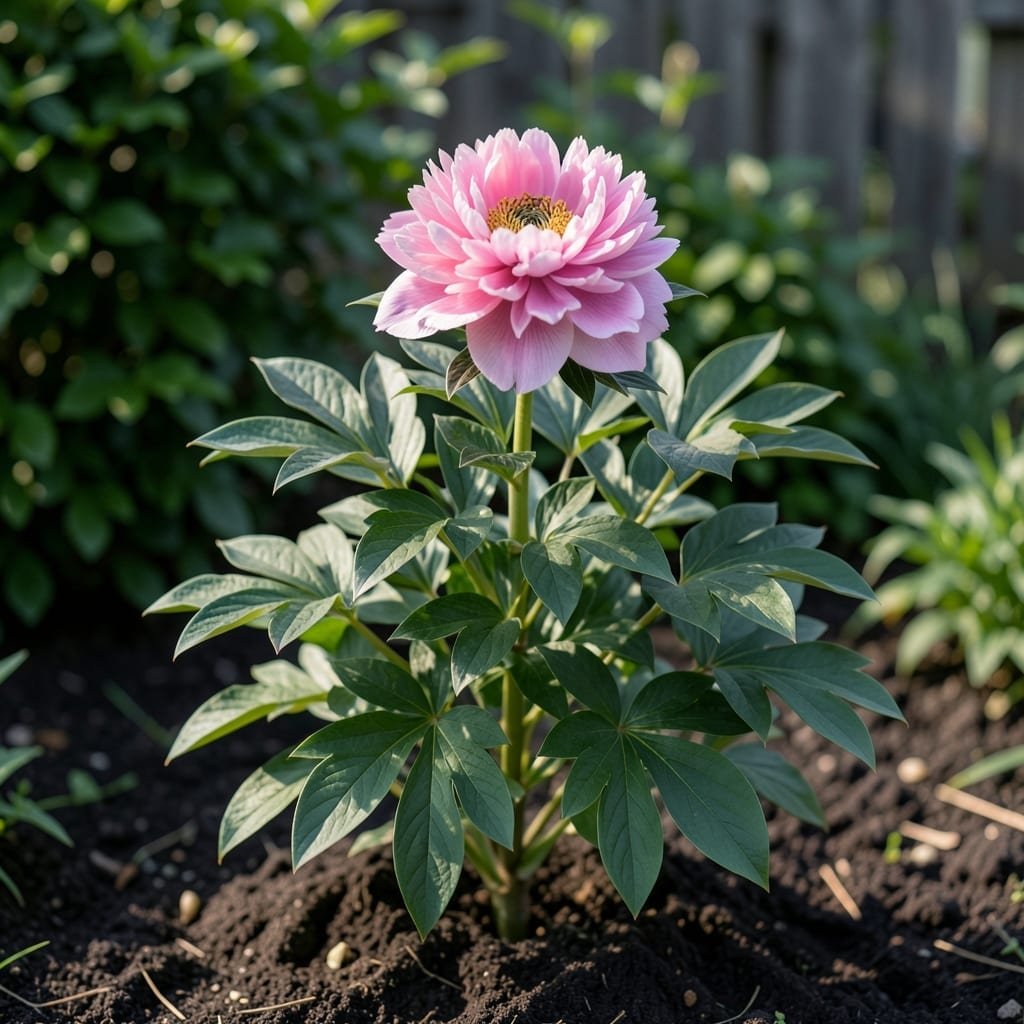
Peonies are surprisingly easy to grow once established, thriving with minimal care in well-drained soil and full sun. Their long lifespan and resilience make them beginner-friendly despite slow initial growth.
I’ve seen firsthand how these perennials can flourish for decades with just basic attention. The key is patience during the first year or two while roots develop. Once mature, they’ll reward you with vibrant blooms year after year, even surviving harsh winters and occasional droughts. ✨
Many gardeners underestimate how forgiving peonies can be with less-than-perfect conditions. 🌟
💡 In This Article
Peonies have evolved with deep root systems that reach 3-4 feet underground. This extensive network stores water and nutrients, allowing them to survive 2-3 week drought periods once established. Their thick, fleshy roots act like natural reservoirs, releasing moisture slowly to sustain the plant through dry spells. 💫
The waxy coating on peony leaves provides built-in pest protection. This cuticle layer deters most insects while allowing the plant to photosynthesize efficiently. Unlike roses, peonies rarely suffer from serious pest infestations, with deer resistance being another major advantage in many regions.
These plants demonstrate remarkable soil adaptability. While they prefer well-drained loam with a pH of 6.5-7.5, they tolerate clay and sandy soils equally well. The key is avoiding waterlogged conditions, as their roots will rot if submerged for more than 24-48 hours. 🌟
Peonies’ cold hardiness (down to -40°F in some varieties) comes from their ability to enter complete dormancy. During winter, the plant shuts down all above-ground growth and conserves energy in its roots. This survival mechanism allows them to thrive in USDA zones 3-8 without winter protection.
Their longevity stems from a symbiotic relationship with mycorrhizal fungi. These beneficial fungi attach to peony roots, dramatically increasing their ability to absorb water and nutrients. This partnership develops naturally over 2-3 years, explaining why established peonies require so little care compared to newly planted ones. ✨
Newly planted peonies typically take 2-3 years to produce blooms. The first year focuses on root establishment, so patience is key. Once mature, they’ll reward you with abundant flowers every spring for decades.
Planting too deep is the most common error. Bury the eyes (buds) no deeper than 2 inches below soil, or you risk losing blooms entirely. Shallow planting ensures healthy growth and vibrant flowers.
They thrive in well-drained soil with a pH of 6.5-7.5 but adapt well to clay or sandy soils. Avoid waterlogged areas—their roots will rot if submerged for more than 24-48 hours.
Feed in early spring with 1/2 cup of low-nitrogen fertilizer (5-10-10). Avoid high-nitrogen options, as they promote leaf growth over blooms. One annual feeding is usually enough for established plants.