
Beautiful Plants For Your Interior
Beautiful Plants For Your Interior
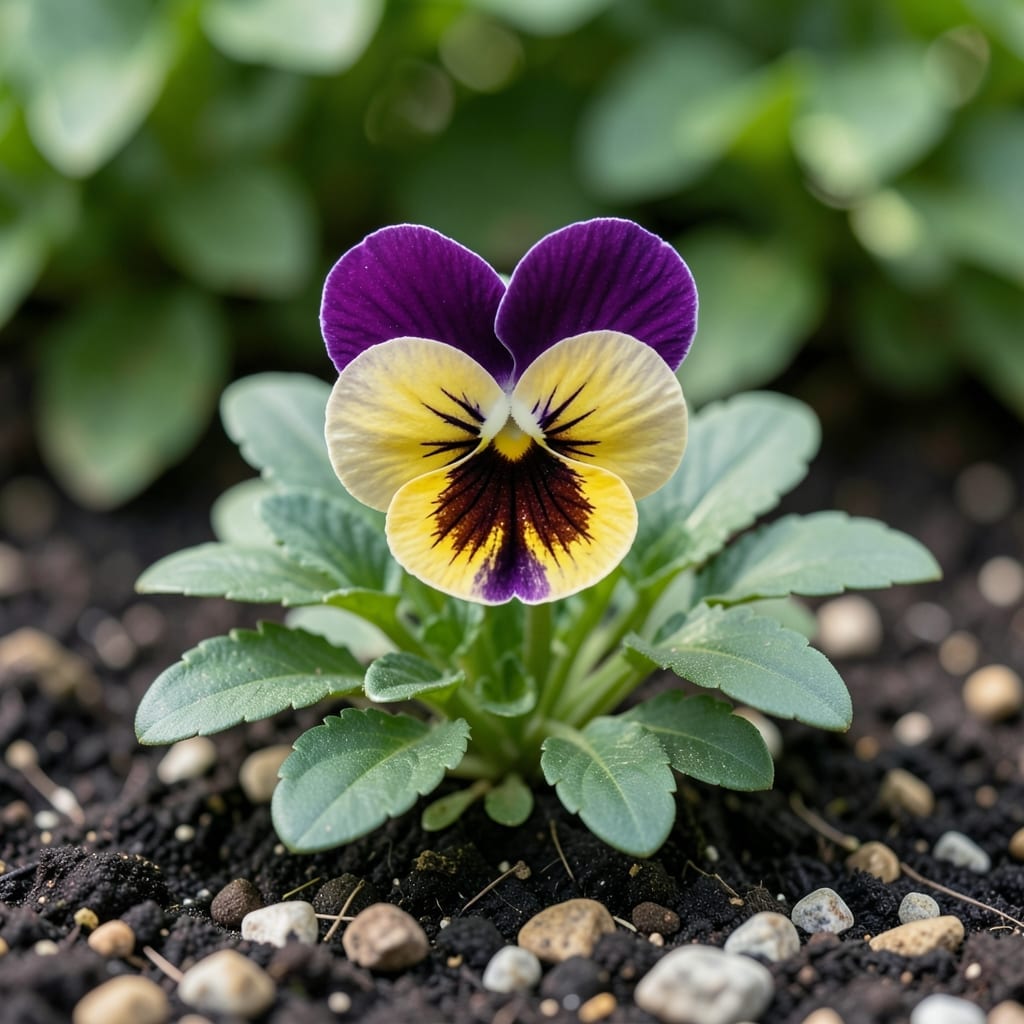
Pansies are typically grown as annuals in cold climates but can be biennials or short-lived perennials in mild regions, often blooming twice a year.
In warmer zones like USDA 7-10, pansies may survive multiple seasons, behaving as short-lived perennials. Their ability to rebound after winter dormancy surprises many gardeners. I’ve seen them thrive when given proper drainage and partial shade during harsh summer heat. 🌟
Their adaptability makes them perfect for seasonal color in gardens. They often re-bloom in fall after a summer rest period.
💡 In This Article
Pansies belong to the Viola × wittrockiana species, a hybrid resulting from crosses between several wild viola species. This genetic background gives them remarkable adaptability. In colder USDA zones 3-6, the freezing temperatures typically kill pansy plants, which is why gardeners treat them as annuals and replant each spring.
The plants simply can’t survive the harsh winter conditions in these regions. 🌟
The story changes dramatically in milder climates. In USDA zones 7-10, pansies often behave as biennials, completing their life cycle over two growing seasons. They may even act as short-lived perennials, returning for 2-3 years with proper care.
This longevity comes from their ability to enter dormancy during extreme heat or cold, then regenerate when conditions improve.
Temperature triggers this adaptability. Pansies thrive in 40-60°F ranges and can tolerate light frosts. When soil temperatures drop below 25°F, the plants go dormant in colder zones. In warmer regions, they may pause growth during summer heat above 75°F, then resume blooming when temperatures cool in fall.
This temperature sensitivity explains their famous “come and go” blooming pattern. ✨
What makes pansies unique is their ability to bloom almost year-round in ideal conditions. In mild coastal areas, they often produce flowers continuously from fall through spring. Even in colder climates, gardeners can sometimes coax a second bloom by planting in early fall, allowing the pansies to establish roots before winter dormancy. 💫
Their growth habit also contributes to their versatility. Pansies form compact mounds 6-9 inches tall with a similar spread, making them perfect for borders, containers, and mass plantings. This manageable size, combined with their cold tolerance, makes them a favorite for early spring and late fall color in gardens across various climate zones.
In mild climates like USDA zones 7-10, they often return for 2-3 years as short-lived perennials. In colder zones, they typically don’t survive winter and need replanting each spring.
Plant in early spring or fall when temperatures are between 45-65°F. This helps them establish strong roots before extreme heat or cold arrives.
In colder zones, add a 2-inch layer of mulch or straw after the first frost. In warmer areas, trim back leggy plants by 1/3 in late summer.
They pause growth when temperatures exceed 75°F. Once cooler weather returns in fall, they often resume blooming if properly cared for.