
Beautiful Plants For Your Interior
Beautiful Plants For Your Interior
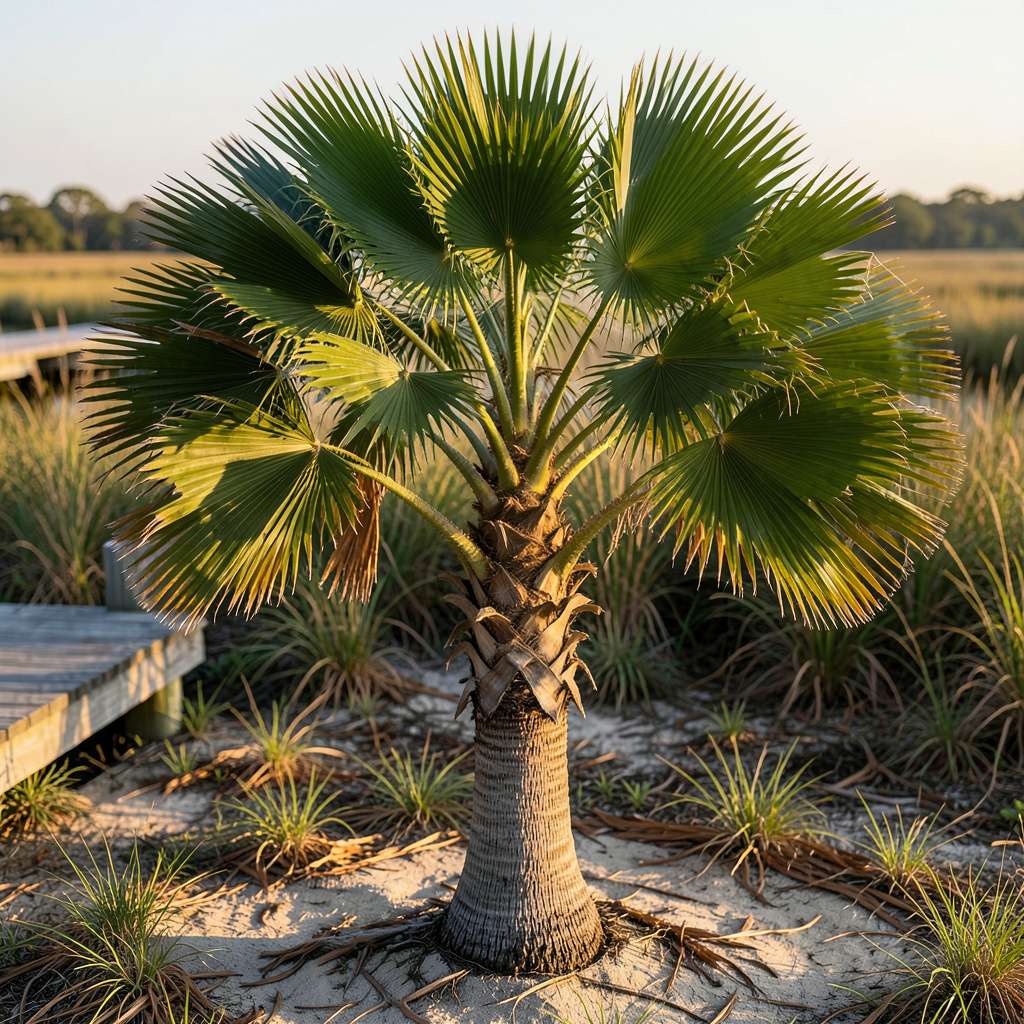
South Carolina has only one native palm species—the needle palm, found in coastal areas. Most palm trees seen today were introduced for ornamental landscaping and thrive in the state’s warm, humid climate.
What fascinates me about this is how the needle palm has carved out its niche in the state’s sandy coastal soils and mild winters. Unlike tropical imports, this hardy species can withstand occasional dips below freezing—a survival trait that’s rare among palms. 🌿 Over time, gardeners have embraced non-native varieties like the sabal palmetto for their dramatic fronds and faster growth, but nothing quite matches the needle palm’s resilience to local weather swings.
The shift from native to ornamental palms also reflects South Carolina’s evolving landscape priorities. Early settlers and modern developers alike have favored showy, fast-growing species to create that iconic “tropical” aesthetic. Yet, the needle palm remains a quiet testament to what thrives here naturally—without irrigation or special care. ✨
💡 In This Article
The needle palm (Rhapidophyllum hystrix) stands as South Carolina’s only native palm species, thriving in the state’s USDA Hardiness Zones 7b-9a. This hardy plant has evolved to endure coastal conditions that would challenge most tropical palms—sandy, well-drained soils with pH levels ranging from 5.0 to 6.5, and occasional salt spray from Atlantic storms.
Its deep root system and slow growth rate allow it to anchor firmly in loose coastal soils while conserving water during dry spells. 🌊
What makes the needle palm uniquely adapted is its cold tolerance. While most palms suffer damage at 20°F, this species can survive brief dips to 5°F—a critical advantage in South Carolina’s unpredictable winters.
The palm’s thick, fibrous trunk and needle-like spines (hence the name) also deter herbivores like deer and raccoons, which are common in coastal habitats. Unlike imported palms that require supplemental irrigation, the needle palm’s waxy fronds reduce moisture loss, making it drought-resistant once established.
Historically, the needle palm’s range extended from coastal South Carolina through Georgia and Florida, often found in maritime forests and sheltered dunes. These ecosystems provide partial shade from taller pines and oaks, which protects young palms from intense summer sun.
The palm’s ecological role is subtle but important: its fruit feeds birds and small mammals, while its dense growth offers shelter for ground-nesting species. 🌿 Unlike non-native palms that dominate modern landscapes, the needle palm grows slowly—adding just 2-3 inches per year—which limits its ornamental appeal but ensures longevity in wild settings.
The contrast with non-native palms is striking. Species like the sabal palmetto (Florida’s state tree) or Chinese windmill palm were introduced for their rapid growth and dramatic fronds, but they lack the needle palm’s deep local adaptations.
For example, sabal palmettos struggle in South Carolina’s inland areas where winter temps occasionally drop below 15°F, while needle palms persist. This resilience comes from millennia of adaptation to the region’s humid subtropical climate, where summer highs average 88-92°F and annual rainfall reaches 48-52 inches. ⚡
Gardeners often overlook the needle palm because it lacks the towering height of imported species, typically maxing out at 6-10 feet. Yet its compact size makes it ideal for understory planting in native landscapes. The palm’s dark green, fan-shaped fronds—each 2-3 feet wide—create a textured contrast with surrounding vegetation.
For those prioritizing low-maintenance, drought-tolerant plants, the needle palm requires no fertilization and minimal pruning, unlike high-maintenance imports that demand regular feeding and pest control.
One fascinating adaptation is the needle palm’s response to fire. In coastal ecosystems where controlled burns occur, the palm’s underground stem (caudex) survives even if above-ground fronds are scorched. This resilience explains why it thrives in areas where wildfires historically shaped the landscape.
🔥 The palm’s ability to regrow from its base after fire damage is a trait shared with few other palm species, native or introduced.
The needle palm (Rhapidophyllum hystrix) is the state’s sole native species. It thrives in coastal ecosystems from Zones 7b-9a, withstanding salt spray and occasional freezes down to 5°F. Its compact size (6-10 feet tall) makes it perfect for understory planting.
Most gardeners prefer faster-growing, showier species like sabal palmettos for their dramatic height and fronds. The needle palm grows slowly (2-3 inches/year) and lacks the tropical aesthetic many homeowners want. Its subtle appearance often gets overlooked despite its superior cold hardiness.
Many can, but location matters. Coastal areas (Zone 8-9) support sabal palmettos and pindo palms, while inland gardens (Zone 7-8) need cold-hardy varieties like windmill palms that tolerate 5°F. Always check a species’ minimum temperature tolerance before planting.
Overwatering newly planted palms is the most common error. Most species only need 1 inch of water weekly once established. During the first month, water deeply 2-3 times per week, then reduce. Use a moisture meter to check soil at 6-inch depth—surface dryness can be misleading.
Dwarf varieties like pygmy date palms thrive in containers, staying under 6 feet tall. They tolerate partial shade and need well-draining soil. For coastal patios, consider pindo palms—they handle salt spray and produce edible fruit. Just ensure containers have drainage holes to prevent root rot.
