
Beautiful Plants For Your Interior
Beautiful Plants For Your Interior
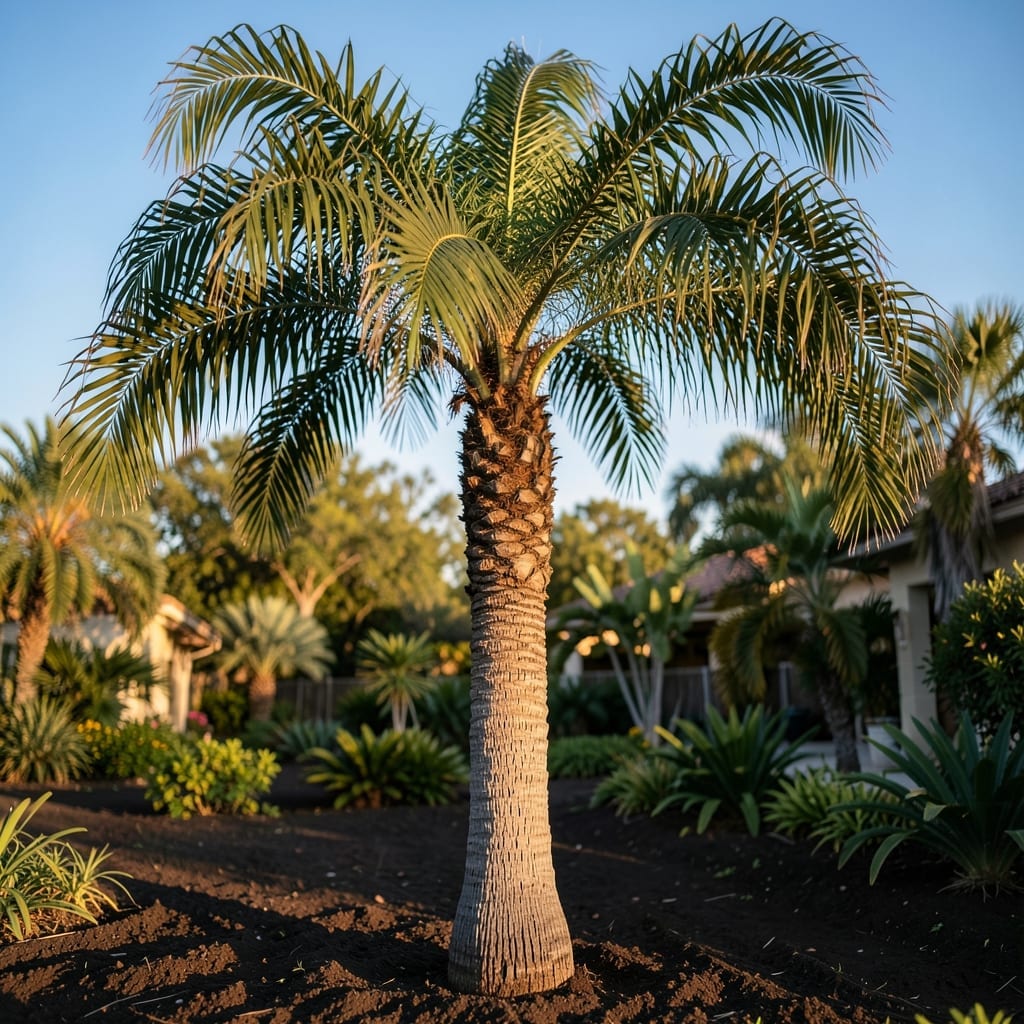
No, palm trees are not native to Las Vegas or Nevada. The only native palm in the U.S. is the California fan palm, found in parts of California and Arizona, not the Mojave Desert.
The Mojave’s harsh conditions—extreme heat, minimal rainfall, and sandy soil—make it inhospitable for most palms. I’ve seen how the California fan palm thrives in slightly wetter regions, but Nevada’s ecosystem favors drought-resistant plants like creosote bushes and joshua trees. 🔥
This explains why the palms lining the Strip are all carefully cultivated imports rather than natural growth.
💡 In This Article
The Mojave Desert’s extreme environment makes it nearly impossible for palms to grow naturally. Average annual rainfall here is a mere 4 inches, while most palm species require at least 20-30 inches to thrive. Temperatures swing wildly from 120°F summers to 30°F winters, creating stress that native palms simply can’t handle. 🔥
What does grow here are plants perfectly adapted to drought. The iconic Joshua tree stores water in its trunk, while creosote bushes can survive for years without rain. These species have evolved over millennia to conserve every drop of moisture, unlike palms that need consistent hydration.
The soil itself is often alkaline and nutrient-poor, further limiting palm growth.
The California fan palm, the only U.S. native, survives by growing near desert oases and water sources in California and Arizona. Its natural range stops about 200 miles southwest of Las Vegas, where conditions become too harsh. Even this hardy species would struggle in Nevada’s driest areas without human intervention. ✨
Instead of palms, Las Vegas’s native landscape features yuccas, cacti, and desert shrubs. These plants have developed specialized root systems and waxy coatings to prevent water loss. The Mojave yucca, for example, has deep taproots that access groundwater 10-15 feet below the surface, a survival strategy palms lack.
This natural vegetation creates a unique ecosystem where each plant plays a specific role. The absence of palms isn’t a deficiency but rather a testament to how perfectly adapted these desert species are to their environment. Their ability to thrive where others can’t is what makes the Mojave’s flora so remarkable. 💫
Drought-tolerant varieties like date palm and Canary Island palm can thrive. They need deep watering 1-2 times per week in summer and soil amended with 20-30% compost.
The desert’s 4 inches of annual rainfall and extreme temperature swings from 120°F to 30°F create conditions too harsh for most palms. Native species like Joshua trees are better adapted.
Use shade cloth for the first 2-3 years to prevent sunburn. Plant on the east or north side of buildings for natural wind protection. Always water early in the morning.
Desert species like Joshua trees, creosote bushes, and Mojave yucca thrive here. These plants have deep root systems and waxy coatings to conserve water.