
Beautiful Plants For Your Interior
Beautiful Plants For Your Interior
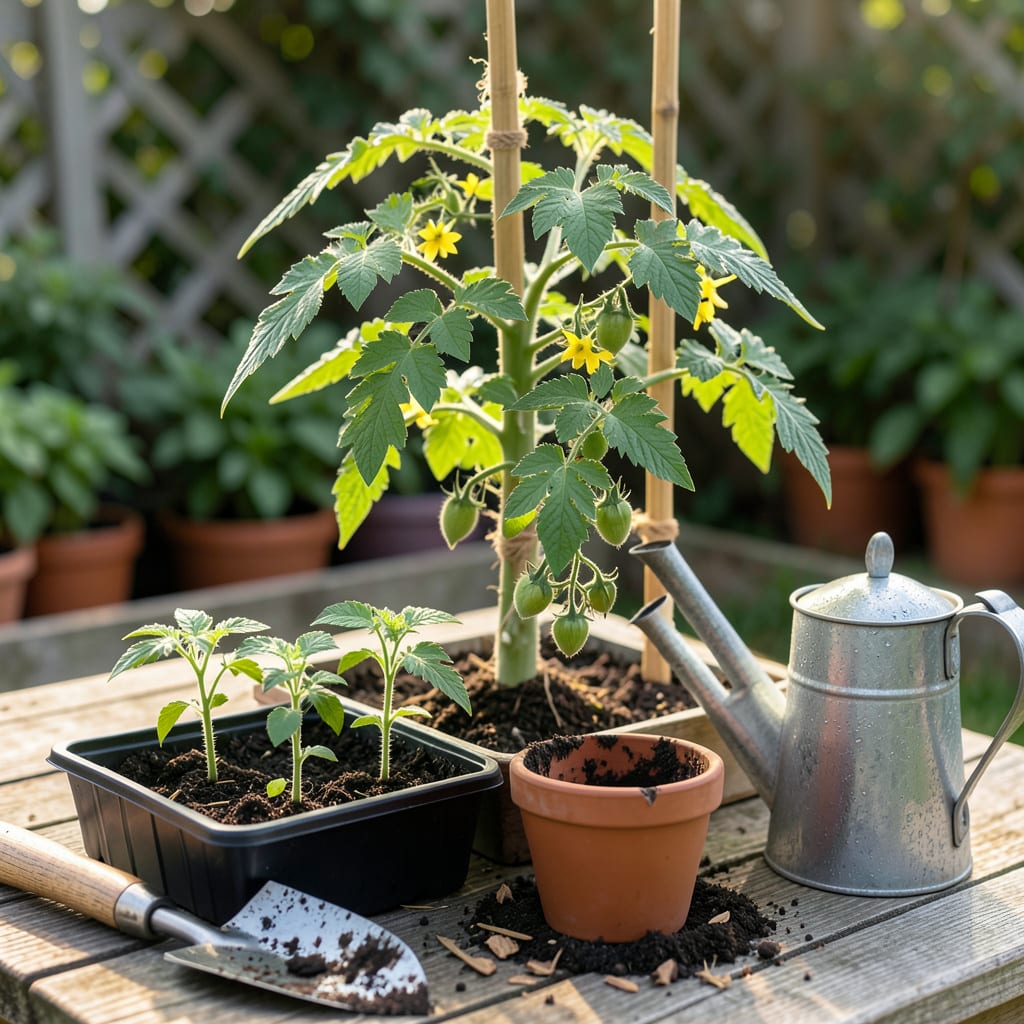
If you’ve ever watched your tomato plants wilt under the Las Vegas sun, you know timing isn’t just important—it’s everything. The desert’s extreme heat turns what should be a thriving garden into a crispy disappointment faster than you can say “salsa.”
But here’s the good news: with the right planting schedule, you can outsmart the heat and grow juicy 🍅 tomatoes that flourish. I’ll show you exactly when to get those seedlings in the ground—and why most gardeners get this wrong in Southern Nevada.
If you’ve ever watched your tomato plants wilt under the Las Vegas sun, you know timing is critical. Our desert climate in USDA Zones 9a/9b means we get two planting windows: early spring and late summer. Miss these, and you’re battling 100°F+ heat that stunts growth.
The secret? Align your planting with our short cool seasons. Spring planting should wrap up by mid-March to avoid summer scorching, while fall planting starts in late August for a productive autumn harvest. I’ll break down the exact timing below.
| Season | Planting Window | Best For | Harvest Time |
|---|---|---|---|
| Early Spring | Feb 15–Mar 15 | Heat-tolerant hybrids | May–June |
| Late Summer | Aug 15–Sep 15 | All varieties | Oct–Dec |
| Winter Prep | Dec–Jan | Soil amending | N/A |
*Adjust dates by 1–2 weeks based on microclimate (urban areas run warmer).
For spring planting, I start seeds indoors in January under grow lights. By Valentine’s Day, my seedlings are ready to harden off. Transplant them outdoors after Feb 15—our average last frost date—but watch for unexpected cold snaps.
The fall window is my favorite. Planting in late August gives tomatoes time to establish before cooler weather. I use shade cloth (30–50%) to protect young plants from lingering summer heat. This season often yields bigger harvests with less pest pressure.
Pro tip: Soil temp matters more than air temp. Use a soil thermometer—tomatoes need 60°F+ soil to thrive. In Las Vegas, that means warming your beds with black plastic mulch 2–3 weeks before planting.
If you’re planting transplants, choose stocky, dark green seedlings. Avoid leggy plants—they struggle in our intense UV. For seeds, opt for heat-tolerant varieties like ‘Solar Fire’ or ‘Heatmaster’ that can handle our low humidity and alkaline soil.
Remember: Afternoon sun is brutal. Position your tomato beds where they’ll get morning sun but afternoon shade, or use shade cloth from 1–5 PM. This simple adjustment can double your yield in our climate.
For container gardeners, 5-gallon minimum pots are essential—smaller ones dry out too fast. I use a mix of coconut coir and perlite (3:1 ratio) for better moisture retention than standard potting soil.
Finally, mark your calendar for soil prep in December. Amend with compost and sulfur (to lower pH) so your beds are ready when planting season arrives. Our alkaline soil needs this annual boost to support healthy tomato growth. 🌿
Las Vegas gardeners face a brutal reality: afternoon temperatures above 100°F can cook tomato plants in hours. But with three key strategies, I’ve grown thriving tomatoes even in July heat. The secret? Working with our desert climate, not against it.
First, shade cloth isn’t optional—it’s your tomato’s sunscreen. I use 30% shade cloth for spring plants and 50% for summer. The difference? Plants stay 10–15°F cooler under cover. Position it to block 1–5 PM sun, when UV intensity peaks.
For containers, I swear by self-watering pots with reservoirs. Fill them with a mix of 60% potting soil, 30% coconut coir, and 10% perlite. This combo holds moisture but drains fast enough to prevent root rot in our alkaline water.
Drip irrigation timing is everything. I run mine for 30 minutes daily in summer, split into two cycles: 4 AM and 4 PM. This mimics natural dew and prevents evaporation loss. Add a rain sensor to avoid overwatering during monsoon season.
Here’s my microclimate hack: Plant tomatoes near a concrete patio or paved area. The thermal mass radiates heat at night, protecting plants from our 30°F temperature swings. Just keep roots shaded with mulch or low-growing basil companions.
Finally, prune aggressively in summer. I remove 30% of foliage on mature plants to reduce water demand. Focus on lower leaves (they’re most prone to sunburn) and suckers that won’t fruit in time. Use sterilized shears to prevent disease spread in our dusty conditions. 🌱
Not all tomatoes can handle our 100°F+ summers and alkaline soil. After testing dozens of varieties in my Las Vegas garden, I’ve found the winners—and the ones that consistently fail. The best performers share three traits: heat tolerance, drought resistance, and fast maturity.
For spring planting, I rely on hybrids like ‘Solar Fire’ and ‘Heatmaster’. These varieties keep producing when temperatures soar, unlike many heirlooms that shut down. For fall crops, I add ‘Celebrity’ and ‘Arkansas Traveler’—both handle our cool nights and warm days beautifully.
*Test new varieties in containers first to gauge performance.
For cherry tomatoes, ‘Sweet 100’ and ‘Sun Gold’ outperform others. Their small size means faster maturity, which is crucial in our short growing windows. I plant these in hanging baskets with coconut coir to prevent drying out.
If you love heirlooms, try ‘Black Krim’ or ‘Cherokee Purple’—but only in fall plantings. These need cooler nights to set fruit properly. Pair them with companion basil to improve flavor and deter pests in our dry climate.
Pro tip: Buy transplants from local nurseries like Star Nursery or Moon Valley. Their stock is already acclimated to our hard water and intense sun. If starting from seed, use a heat mat to maintain 80°F soil temps for germination.
Remember, even the best varieties need consistent water and shade cloth in summer. I’ve found that mulching with straw (not wood chips) works best for tomatoes—it keeps soil cooler while allowing air circulation to prevent fungal issues in our low-humidity environment. 🌿
Planting too late in spring is the #1 error. Many wait until April, but by then, seedlings struggle to establish before 100°F+ hits. Stick to the Feb 15–Mar 15 window for spring or Aug 15–Sep 15 for fall.
Not quite, but you can get close! Our fall planting (Aug–Sep) often produces until December, while spring plants may yield into early July. The June–August gap is too hot even for heat-tolerant varieties.
Use frost blankets or 5-gallon buckets overnight if temps dip below 35°F. Remove covers by 9 AM to prevent overheating. For containers, move them against a south-facing wall for extra warmth.
This is blossom drop, usually caused by temps above 90°F or below 55°F. Use shade cloth (30–50%) and plant heat-set varieties like ‘Solar Fire’. Consistent watering helps too—aim for 1–2 inches weekly.
For beginners, transplants from local nurseries (like Star Nursery) are easier—they’re already acclimated. If starting seeds, begin indoors 6–8 weeks early with a heat mat to maintain 80°F soil.
