
Beautiful Plants For Your Interior
Beautiful Plants For Your Interior
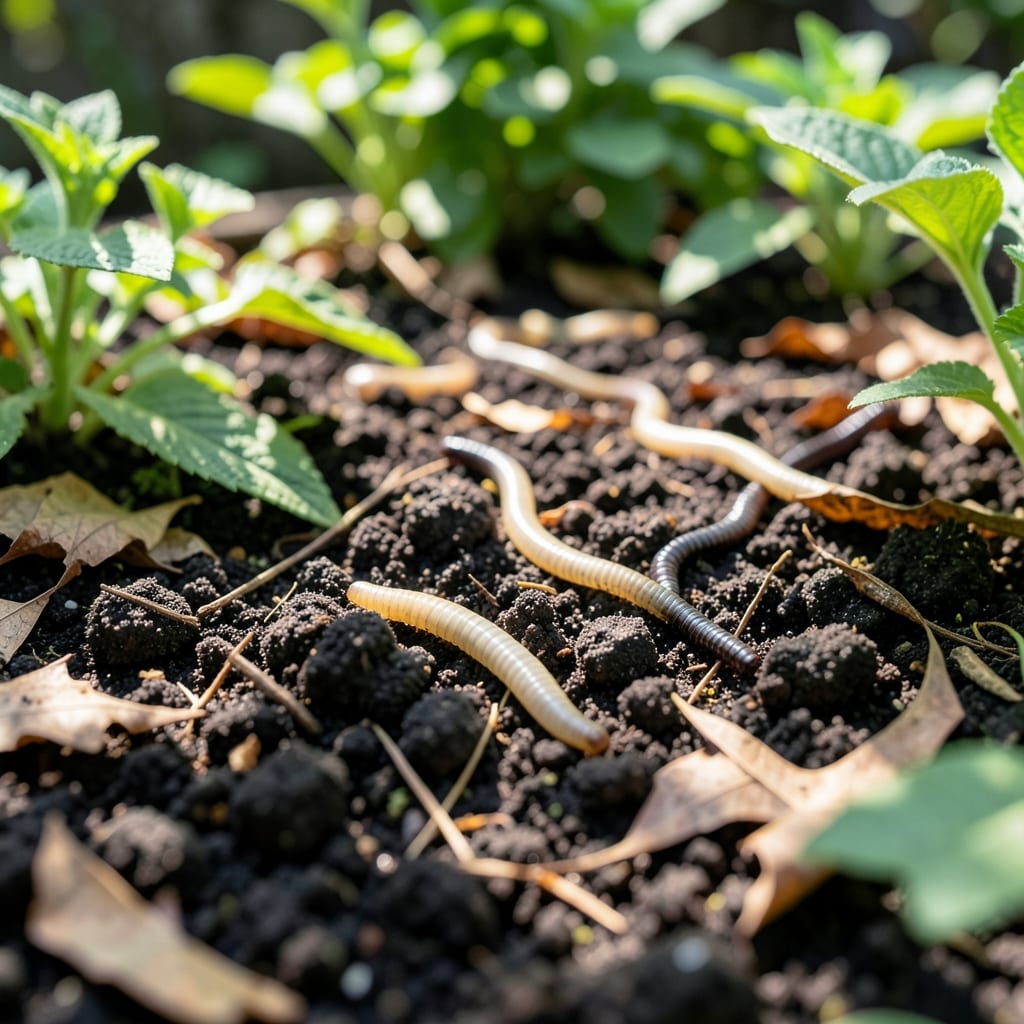
Nightcrawlers are not typically invasive in most regions, as many species are native to North America and Europe. However, some non-native earthworm varieties can disrupt local ecosystems by altering soil composition and outcompeting native species.
I’ve seen firsthand how introduced earthworms can change forest floors by breaking down leaf litter too quickly, which removes habitat for native plants and insects. 🔥 In my garden, I focus on using local species to maintain that natural balance and support biodiversity.
💡 In This Article
Introduced earthworms accelerate leaf litter decomposition by 30-70% compared to native species. This rapid breakdown strips forest floors of essential habitat for seedlings, insects, and fungi, which rely on the slow-release nutrients from decaying leaves. 🔥
Soil structure changes dramatically under invasive nightcrawlers. Their deep burrowing creates vertical channels that increase water infiltration by 20-40%, but this also washes away topsoil nutrients faster. Studies show this can reduce native plant diversity by up to 50% in affected areas.
The nutrient cycling disruption happens because these worms process organic matter too efficiently. Instead of the gradual nutrient release native ecosystems evolved with, non-native earthworms create sudden nutrient spikes that favor aggressive plant species over delicate native ones.
In northern forests, researchers found invasive nightcrawlers can eliminate the duff layer (the spongy layer of decomposing leaves) entirely within 5-10 years. This layer normally acts as a nursery for tree seedlings and protects soil from erosion. ✨
These changes cascade through the ecosystem. Without the duff layer, ground-nesting birds lose camouflage, amphibians lose moisture-retaining habitats, and native wildflowers get outcompeted by faster-growing plants that thrive in the altered soil conditions.
What’s particularly concerning is how these worms spread. Anglers often dump unused bait, introducing non-native species to new areas. A single discarded nightcrawler can reproduce quickly, with cocoons containing 1-20 embryos each, leading to population explosions in suitable habitats.
Non-native nightcrawlers can disrupt ecosystems by breaking down leaf litter too quickly. This removes habitat for native plants and insects that rely on the slow-release nutrients from decaying leaves.
They often spread through human activity, especially when anglers dump unused bait worms. A single discarded nightcrawler can reproduce quickly, with cocoons containing 1-20 embryos each.
It’s best to use native earthworm species to maintain ecological balance. Non-native nightcrawlers can alter soil structure and outcompete native worms, potentially reducing biodiversity in your garden.
Look for unusually thick, dark topsoil or deep, vertical burrows in your garden bed. These are often indicators of overactive, non-native earthworms.