
Beautiful Plants For Your Interior
Beautiful Plants For Your Interior
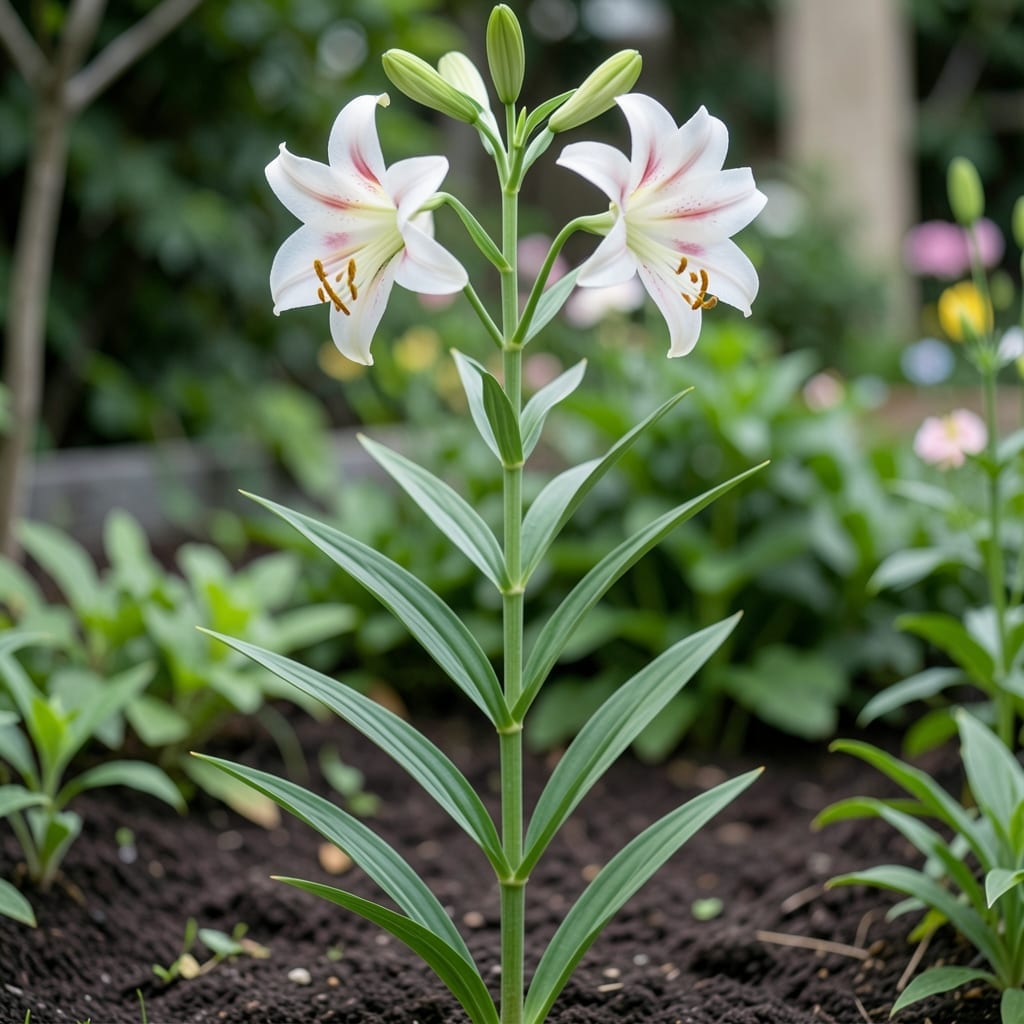
Most true lilies are not poisonous to humans, but some species like Lily of the Valley can cause mild to severe symptoms if ingested. Always handle with care and avoid consumption.
What catches many people off guard is how specific toxicity varies by species. 🔥 Lily of the Valley, for instance, contains cardiac glycosides that can disrupt heart rhythm if consumed in large amounts. I always recommend double-checking plant identities, especially in homes with curious children or pets, since even non-toxic varieties may cause mild stomach upset if eaten.
💡 In This Article
The danger in plants like Lily of the Valley comes from cardiac glycosides, compounds that directly interfere with heart function. These toxins disrupt sodium-potassium pumps in heart cells, causing irregular rhythms. Even 2-3 berries from this plant can trigger nausea, while 15+ berries may lead to life-threatening cardiac issues in adults.
All parts of Lily of the Valley contain these glycosides, but concentration varies. The roots hold the highest levels, followed by the leaves and flowers. What’s particularly tricky is that these compounds remain toxic even after drying, meaning wilted plants don’t become safe.
The body absorbs them quickly, with symptoms appearing within 1-6 hours after ingestion. 🔥
Other lilies contain different toxins. True lilies (Lilium species) have alkaloids that typically cause only mild gastrointestinal upset in humans, though they’re deadly to cats. The distinction matters because what’s harmless to us might not be to pets. Always verify plant species before assuming safety.
Saponins in some lily varieties create another layer of concern. These soapy compounds can irritate the digestive tract, causing vomiting or diarrhea. While rarely life-threatening, they contribute to the overall risk profile. The key is understanding that toxicity isn’t binary—it’s a spectrum based on compound type and concentration. ✨
Geographic location affects risk too. In North America, Lily of the Valley and Glory Lily are the primary concerns for human toxicity. The latter contains colchicine, a compound used in medicine but dangerous in plant form. Just 1-2 seeds can cause severe poisoning in children.
Lily of the Valley and Glory Lily pose the highest risk. The former contains cardiac glycosides, while the latter has colchicine. Even small amounts can cause serious symptoms.
Nausea, vomiting, and dizziness may appear within 1-6 hours. With Glory Lily, expect severe stomach pain or bloody diarrhea in 2-6 hours. Seek help if symptoms arise.
No, toxicity varies by part. In Lily of the Valley, roots contain the highest concentration of toxins, followed by leaves and flowers. Always avoid ingestion of any part.
Wear gloves when handling and wash hands afterward. Keep plants out of reach of children and pets. If unsure about a species, assume it’s toxic.