
Beautiful Plants For Your Interior
Beautiful Plants For Your Interior
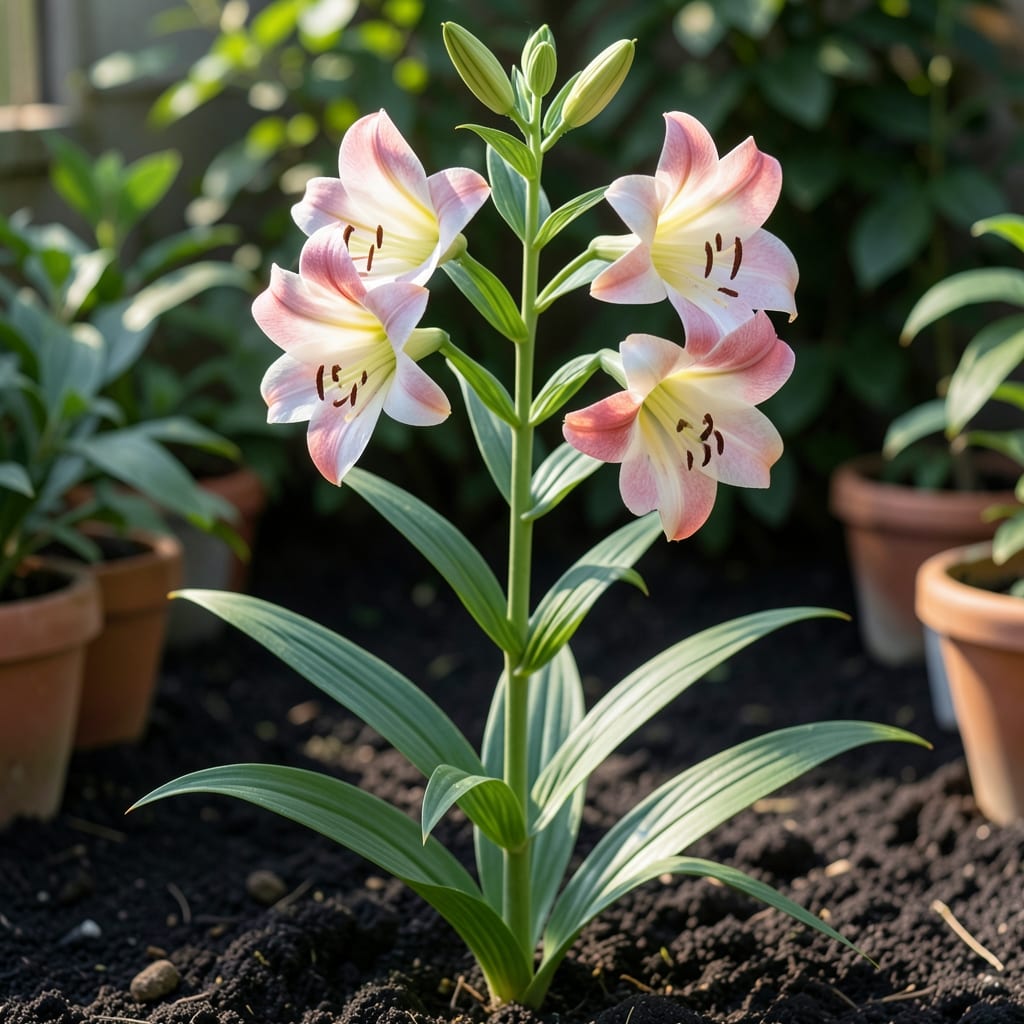
Most true lilies are perennials, returning year after year from underground bulbs, though some hybrid varieties may behave as annuals in colder climates.
I’ve seen these plants thrive for 5+ years in the same spot because their bulbs store energy through winter dormancy. What’s fascinating is how varieties like Asiatic lilies or Oriental lilies reliably reappear, while tender hybrids might not survive harsh frosts without protection. 🔥
This means your garden can burst with color season after season with minimal effort. ✨
💡 In This Article
The secret lies in their underground bulbs, which act like natural batteries. These bulbs store carbohydrates and nutrients during the growing season, then enter dormancy in winter. When temperatures rise in spring, the stored energy fuels new growth. Asiatic lilies (hardy in zones 4-9) and Oriental lilies (zones 5-9) excel at this survival strategy. 🔥
Each bulb contains a complete embryonic plant with scales that hold water and food reserves. During summer, the plant produces additional scales that enlarge the bulb for next year’s growth. This self-sustaining cycle allows true lilies to return for 3-5 years or more before needing division.
The process is similar to how daffodils or tulips regenerate annually.
Climate plays a crucial role in this perennial behavior. In their native Asian habitats, lilies experience distinct seasons that trigger their growth-dormancy cycle. However, in areas with extremely cold winters (below -20°F) or poor drainage, even hardy varieties may fail to return. The bulbs can rot in waterlogged soil or freeze solid without protective mulch.
✨
Hybrid lilies sometimes struggle with perenniality because breeders prioritize flower size or color over hardiness. Varieties like LA Hybrids (Oriental × Trumpet crosses) may only survive as perennials in zones 6-9. In colder regions, gardeners often treat them as annuals, replanting fresh bulbs each spring for reliable blooms.
What makes true lilies remarkable is their ability to naturalize. In ideal conditions, a single Martagon lily bulb can multiply into a colony of dozens over 5-10 years. This spreading habit occurs because the bulbs produce offsets—miniature bulbs that eventually become independent plants. The result is a self-perpetuating display that grows more impressive annually. 💫
True lily bulbs can thrive for 3-5 years or more with proper care. They multiply naturally, creating larger displays each season.
Poor drainage, extreme cold below -20°F, or removing foliage too soon can prevent regrowth. Mulching in winter helps protect bulbs.
Yes, but use large containers with drainage holes. Move pots to a sheltered spot in winter, as potted bulbs are more vulnerable to freezing.
Most true lilies do, but some hybrids like LA Hybrids may only survive as perennials in warmer zones 6-9. Check your local hardiness zone.
Divide clumps every 3-4 years in early fall or spring when blooms become sparse. This rejuvenates the plants.