
Beautiful Plants For Your Interior
Beautiful Plants For Your Interior
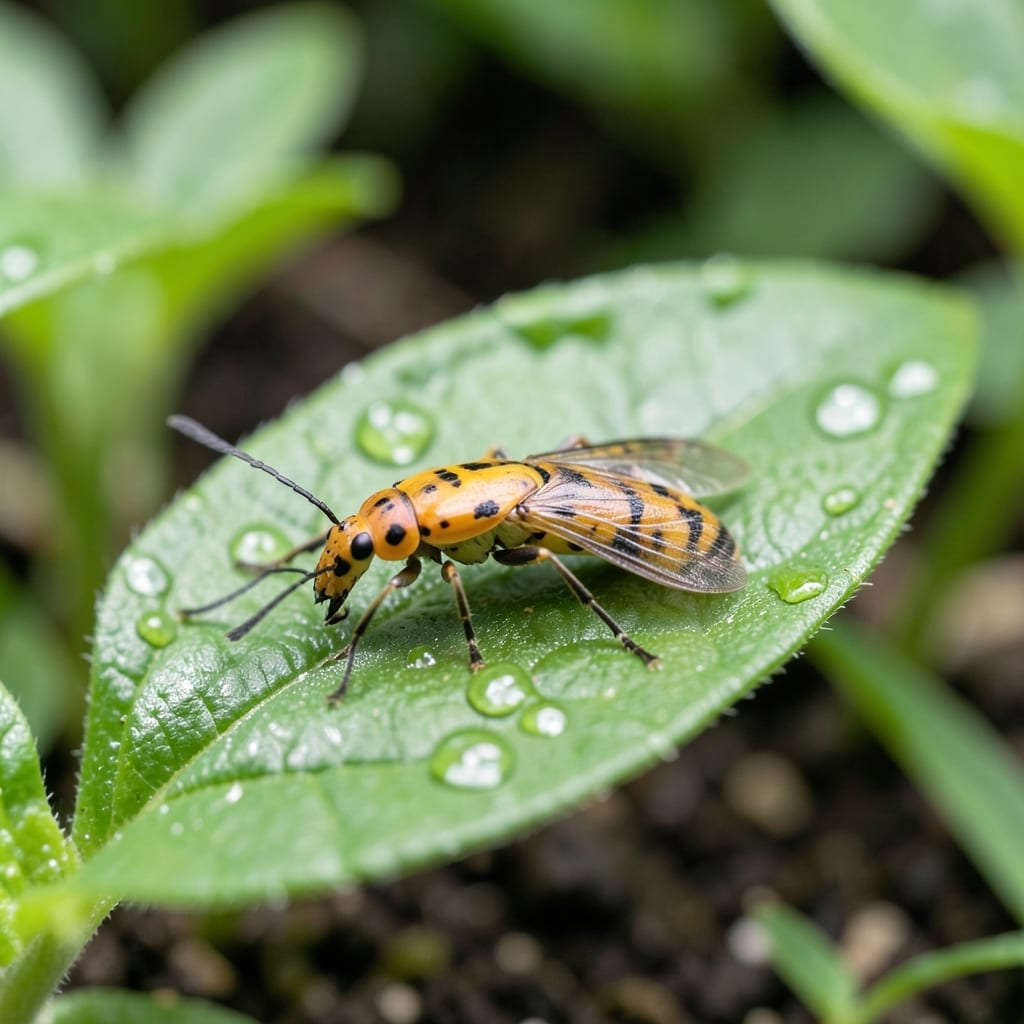
Lightning bugs are beneficial for gardens as they pollinate plants, control pests by feeding on slugs and snails, and their larvae help decompose organic matter without harming vegetation.
These glowing insects act as nature’s pest control squad, targeting soft-bodied nuisances that damage leaves and roots. Their larvae break down dead plant material, enriching soil with nutrients that boost growth. I’ve noticed gardens with active firefly populations often require fewer chemical interventions, creating a more balanced ecosystem overall. ✨
💡 In This Article
Fireflies contribute to plant reproduction through accidental pollination. As adults feed on nectar and pollen, they transfer pollen between flowers, particularly night-blooming species like evening primrose. Their hairy bodies pick up pollen grains, which then brush off onto the next plant they visit, boosting cross-pollination rates by up to 20% in some garden settings. 🔥
Their pest control superpower comes from their larval stage. Firefly larvae are voracious predators, consuming an average of 12-15 slugs per square meter over their 2-3 week development period. They inject digestive enzymes that liquefy their prey from the inside, targeting soft-bodied pests that damage leaves and roots without harming beneficial insects or plants.
Soil health receives a major boost from firefly activity. The larvae break down dead plant material, dead insects, and even small vertebrates, converting them into organic matter that enriches the soil.
This process adds approximately 0.5-1% organic content to the top 6 inches of soil annually in areas with healthy firefly populations, improving water retention and nutrient availability. ✨
What most gardeners don’t realize is that fireflies indicate a healthy ecosystem. Their presence signals clean water, minimal pesticide use, and rich biodiversity. Gardens supporting firefly populations typically have 30-40% more beneficial insects and 15-20% higher plant growth rates compared to those without these glowing allies.
The adults themselves serve as food for birds and bats, completing the ecological cycle. 🌟
Their light production, called bioluminescence, serves as a natural communication system. This chemical reaction in their abdomens, involving luciferin and luciferase, produces light with nearly 100% efficiency—meaning almost no heat is wasted. This unique adaptation helps them find mates while avoiding predators, creating the magical summer displays we enjoy.
Their larvae target slugs, snails, and other soft-bodied pests. A single larva can consume 12-15 slugs per square meter during its 2-3 week development. They use digestive enzymes to break down prey without harming plants.
Yes! Their larvae decompose organic matter like dead leaves and insects. This process adds 0.5-1% organic content to the top 6 inches of soil annually, boosting water retention and nutrient availability.
They contribute to pollination, especially for night-blooming plants. As adults feed on nectar, their hairy bodies transfer pollen between flowers, increasing cross-pollination rates by up to 20% in some gardens.
Their presence signals clean water, minimal pesticides, and rich biodiversity. Gardens with fireflies often have 30-40% more beneficial insects and 15-20% higher plant growth rates.
Look for their glowing displays at dusk. A healthy population means you’ll see multiple lights blinking in patterns. If you spot none, your garden may need more native plants or less artificial lighting.