
Beautiful Plants For Your Interior
Beautiful Plants For Your Interior
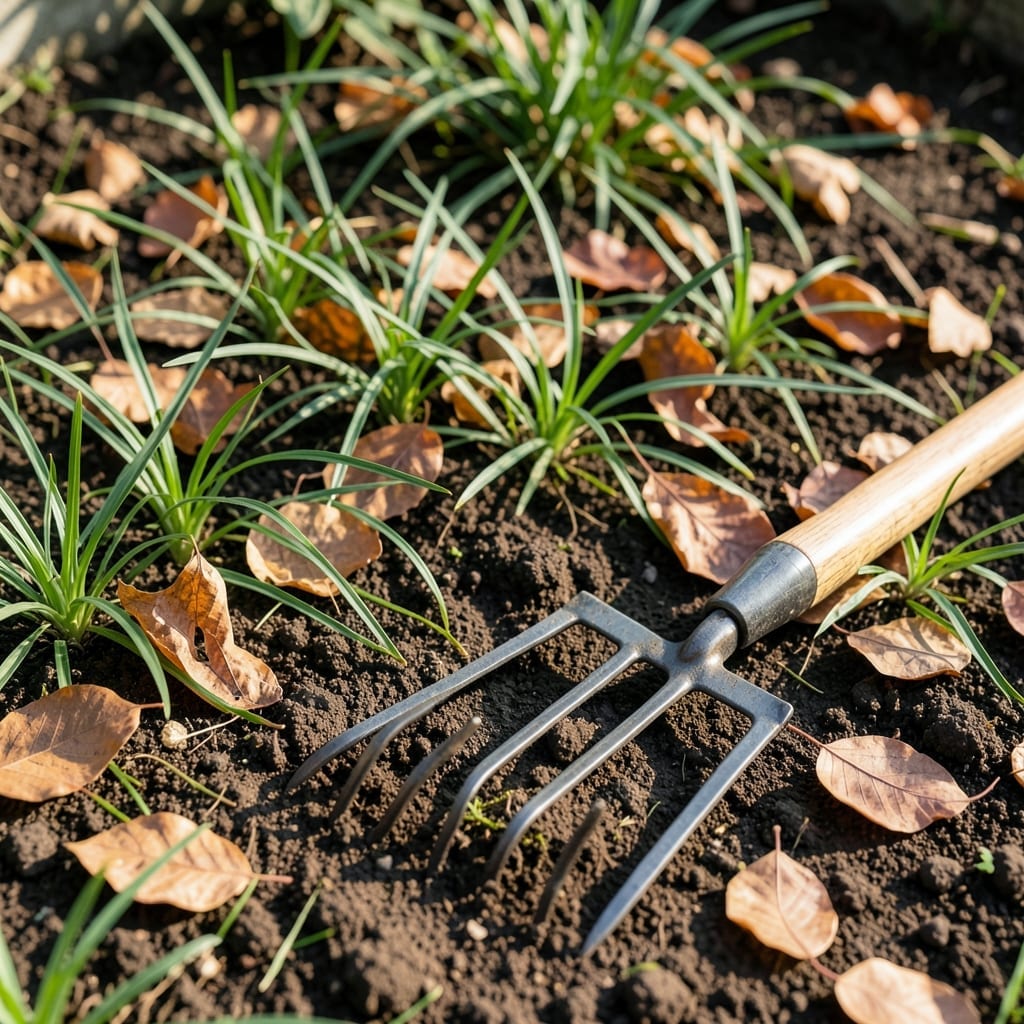
Leaves can benefit lawns by acting as natural mulch, retaining moisture, and adding organic matter as they decompose, but thick layers may smother grass and promote disease.
I’ve seen firsthand how a thin layer of shredded leaves can work wonders for soil quality by feeding beneficial microbes and improving water retention. 🌟 However, I make sure to avoid heavy accumulation, especially in wet conditions, as this can block sunlight and trap excess moisture that harms grass roots. The key is balance—just enough to nourish without overwhelming the turf.
💡 In This Article
When leaves decompose, they release nitrogen, phosphorus, and potassium back into the soil. This process feeds the microbial ecosystem that breaks down organic matter into humus, a dark, nutrient-rich substance that improves soil structure and water retention. Earthworms and beneficial bacteria thrive in this environment, creating a self-sustaining cycle of fertility. 🔥
Shredded leaves decompose 4-6 times faster than whole ones because smaller pieces have more surface area for microbes to colonize. A study by the University of Illinois found that maple leaves break down completely in 6-12 months, while oak leaves may take up to 2 years due to their higher tannin content.
The decomposition rate depends on moisture, temperature, and the carbon-to-nitrogen ratio of the leaves.
This natural mulch also acts as insulation. In winter, a 2-3 inch layer of shredded leaves protects soil from temperature extremes, keeping it 5-10°F warmer than bare ground. This encourages root growth and prevents freeze-thaw cycles that can heave and damage turf.
The mulch layer simultaneously reduces evaporation, helping soil retain 25-50% more moisture during dry periods. ✨
The key is particle size and distribution. Leaves ground to 1/4-inch pieces create a uniform layer that allows air, water, and sunlight to reach the grass beneath. Larger pieces or thick mats can create anaerobic conditions that promote fungal growth.
I’ve found that using a mulching mower to process leaves directly on the lawn creates the ideal texture for rapid decomposition and maximum benefit. 💫
Over time, this process builds what soil scientists call “aggregation”—clumping of soil particles that creates pore spaces for air and water movement. Well-aggregated soil resists compaction, drains better, and provides a more hospitable environment for grass roots.
The organic matter from decomposed leaves also increases the soil’s cation exchange capacity, allowing it to hold onto more nutrients that plants can access.
A thin layer of 1-2 inches is ideal for mulching. This allows air, water, and sunlight to reach the grass while still providing benefits.
Thick layers can smother grass, block sunlight, and trap moisture, leading to fungal diseases or dead patches. Always shred and distribute evenly.
No, maple leaves break down in 6-12 months, while oak leaves may take up to 2 years due to higher tannin content. Shredding speeds up decomposition for all types.
Apply in early fall or spring when grass is actively growing. Avoid wet conditions, as trapped moisture can harm the lawn.