
Beautiful Plants For Your Interior
Beautiful Plants For Your Interior
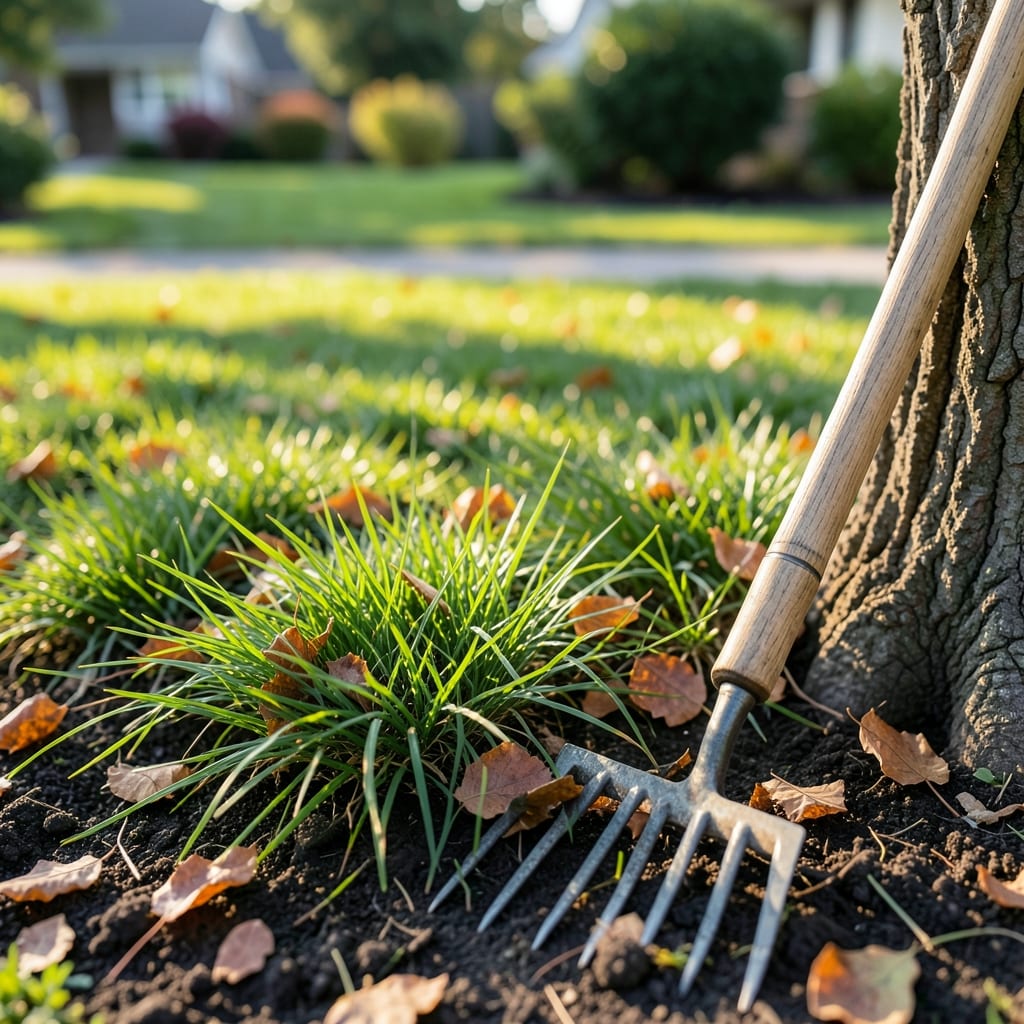
Leaves can harm lawns by blocking sunlight and trapping moisture, which promotes disease and suffocates grass. However, when mulched properly, they can enrich soil with nutrients.
A thick layer of leaves starves grass of essential light and air, creating a damp environment where fungi thrive. 🔥 I’ve seen this firsthand when neglected lawns develop brown patches under heavy leaf cover. The key is moderation—light leaf litter can actually boost soil health as it decomposes, adding organic matter without smothering the turf below.
💡 In This Article
The smothering effect begins when leaves accumulate beyond 1-2 inches thick. This layer blocks 60-80% of sunlight, halting photosynthesis in grass blades within 48-72 hours. The lack of light weakens the turf, turning it yellow then brown as energy reserves deplete. 🔥
Trapped moisture beneath the leaf mat creates a humid microclimate ideal for fungal spores. Common lawn diseases like snow mold and brown patch thrive in these conditions, especially when temperatures hover between 50-70°F. The dampness also prevents proper air circulation, further stressing the grass. ⚡
Decomposing leaves temporarily tie up nitrogen in the soil as microbes break them down. This can starve your lawn of this essential nutrient, causing temporary yellowing. However, once decomposition completes, the leaves release nitrogen, phosphorus, and potassium back into the soil—often at rates of 1-2% nitrogen by weight. ✨
Thick leaf layers also insulate the soil, maintaining warmer temperatures that delay grass dormancy in fall. This can leave your lawn vulnerable to winter damage. In spring, the same insulation slows soil warming, delaying green-up by 1-2 weeks compared to bare lawn areas. 🌟
The weight of wet leaves can physically damage grass blades, causing them to bend and break. This creates entry points for disease and weakens the plants’ ability to recover. A 1-inch layer of wet oak leaves can weigh up to 10 pounds per square yard, enough to flatten most turfgrasses. 💫
Once leaves pile up beyond 1-2 inches thick, they start blocking 60-80% of sunlight. This can halt photosynthesis in grass blades within 48-72 hours, leading to yellowing and browning.
Mulched leaves decompose into natural fertilizer, releasing nitrogen, phosphorus, and potassium. They provide about 1-2% nitrogen by weight, but shouldn’t replace a complete fertilizer program.
For layers thicker than 2 inches, use a rake or leaf blower. A leaf vacuum that mulches as it collects works well for large lawns. Always remove wet leaves promptly to prevent matting.
Yes, trapped moisture under leaf layers creates ideal conditions for fungal diseases like snow mold and brown patch, especially at temperatures between 50-70°F.