
Beautiful Plants For Your Interior
Beautiful Plants For Your Interior
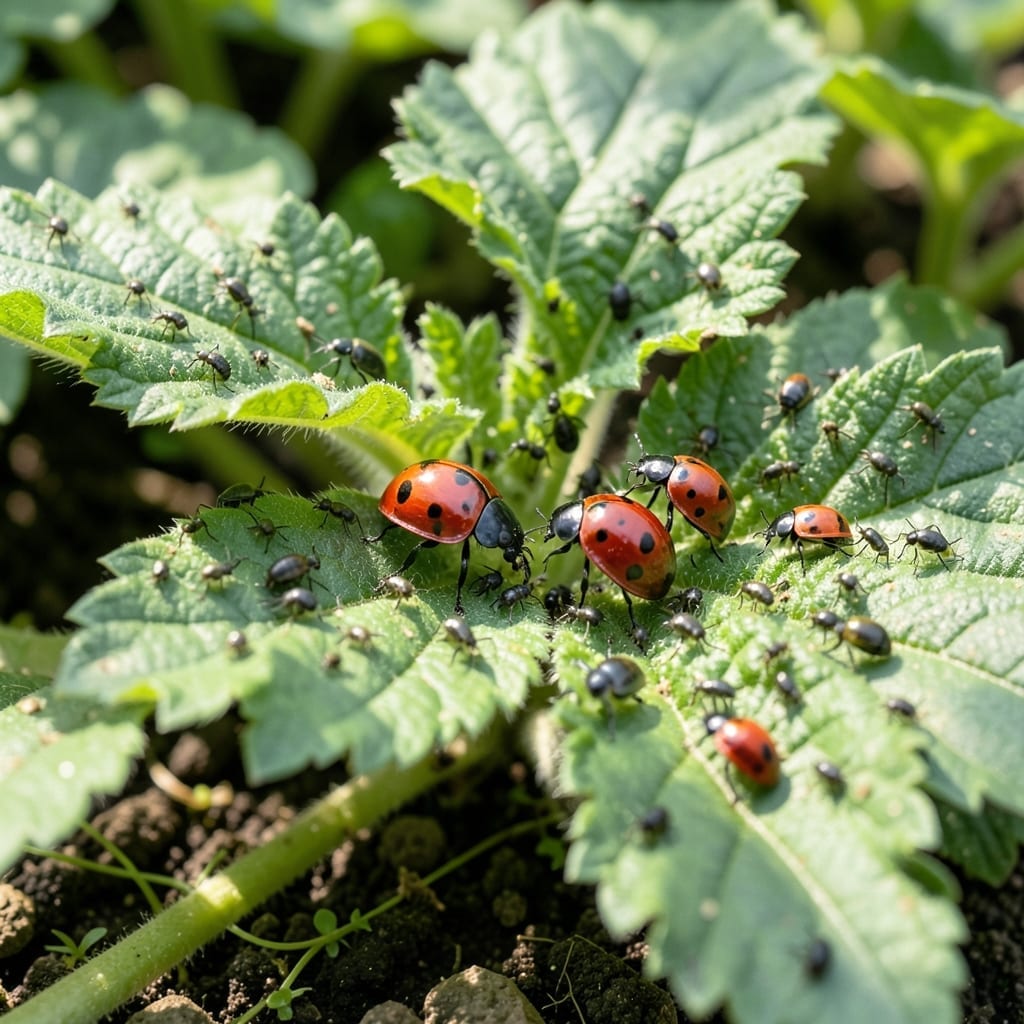
Ladybirds are excellent for gardens as they naturally control pests by eating aphids, mites, and other harmful insects, reducing the need for chemical pesticides.
I’ve seen firsthand how these tiny beetles devour up to 5,000 aphids in their lifetime, making them a gardener’s best ally. Their larvae are just as voracious, targeting soft-bodied pests that damage plants. This natural pest control boosts biodiversity while keeping your garden thriving. 🌟
They’re also low-maintenance helpers—no need for special care or feeding. Just plant nectar-rich flowers to invite them in and watch them work their magic. ✨
💡 In This Article
A single ladybird can consume up to 50 aphids per day, with larvae eating even more—around 400 aphids during their development. This voracious appetite targets soft-bodied pests like aphids, scale insects, and mites, which are notorious for damaging plants by sucking sap.
Their hunting strategy involves climbing plants to find prey, using their strong mandibles to crush and consume these garden menaces. 🔥
Their lifecycle enhances pest control further. Female ladybirds lay up to 1,000 eggs in clusters near aphid colonies, ensuring their offspring have immediate food sources. This means a small ladybird population can explode into a pest-eradicating force within weeks, providing continuous protection throughout the growing season.
The larvae are just as effective, often out-eating adults in their early stages. ✨
Ladybirds focus on pests that most chemical pesticides also target, but without the environmental harm. They avoid healthy plants, focusing only on the insects that threaten them. This precision reduces collateral damage to beneficial insects like bees and butterflies, which often suffer from broad-spectrum chemical treatments.
Their presence creates a balanced ecosystem where pests are kept in check naturally. 🌟
What makes them particularly valuable is their ability to adapt to different environments. Whether in vegetable gardens, flower beds, or orchards, ladybirds thrive as long as their prey is abundant. They’re also resistant to many common garden pests’ defenses, such as the honeydew secreted by aphids, which can deter other predators.
This resilience ensures they remain active pest controllers year-round in temperate climates. ⚡
Their efficiency extends beyond just numbers. Ladybirds are opportunistic feeders, meaning they’ll switch between different pest species as availability changes. This adaptability prevents any single pest population from exploding, maintaining a natural balance that chemical methods often disrupt. The result is a garden where plants can grow stronger without the constant threat of infestation. 💫
A single adult can consume up to 50 aphids per day, while larvae may eat 400 aphids during their development. Their appetite helps control soft-bodied pests like mites and scale insects effectively.
No, they only target harmful pests and won’t damage healthy plants. Their precision hunting avoids beneficial insects like bees, making them a safe, natural solution.
Plant nectar-rich flowers like dill or marigolds, and leave leaf litter for overwintering. Provide shallow water dishes with pebbles to encourage them to stay.
They’re often more effective long-term since they prevent pest outbreaks without harming the ecosystem. Chemicals may kill pests faster but also harm beneficial insects.
Yes, but release them in the evening and mist plants first. Avoid extreme temperatures, and ensure aphids are present so they’ll have food to stay.