
Beautiful Plants For Your Interior
Beautiful Plants For Your Interior
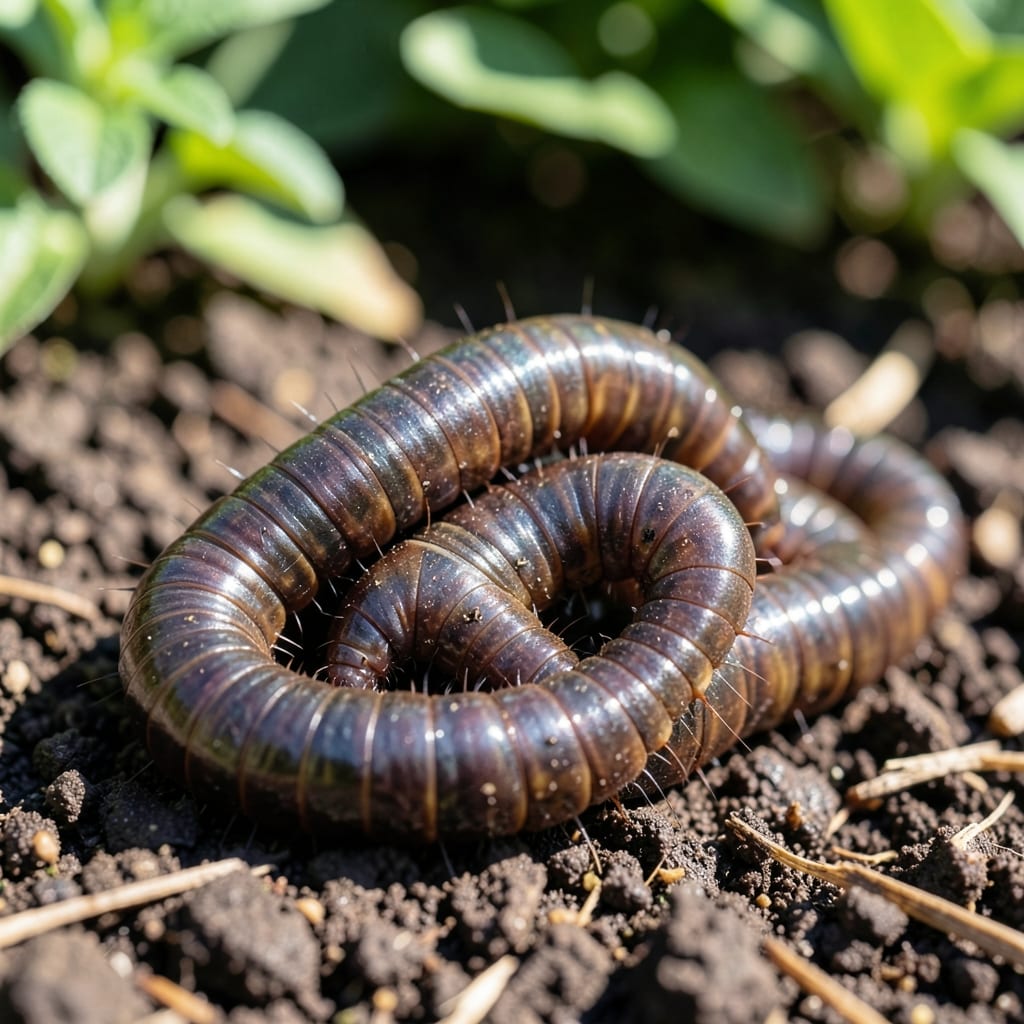
Jumping worms pose no direct toxicity or physical harm to humans, but their invasive nature can damage garden soil and plant health, requiring cautious handling.
While they won’t bite or poison you, these worms disrupt ecosystems by breaking down organic matter too quickly, stripping soil of nutrients. Gardeners often notice stunted plant growth and eroded topsoil where they thrive. I always recommend wearing gloves when handling them—not for safety, but to avoid spreading their cocoons to new areas. ✨
💡 In This Article
These invasive worms alter soil structure by consuming organic matter at an accelerated rate. Their rapid digestion breaks down leaf litter and mulch 2-3 times faster than native earthworms, stripping the topsoil of essential nutrients plants rely on.
The result is a granular, coffee-ground-like texture that loses its ability to retain moisture and support root systems. 🔥
What most gardeners don’t realize is that jumping worms don’t just deplete nutrients—they change the soil’s microbial balance. Their castings (worm waste) create an environment that favors harmful bacteria over beneficial fungi. This shift disrupts the symbiotic relationships between plant roots and mycorrhizal fungi, which normally help plants absorb water and nutrients. 🌟
The physical damage is equally concerning. As they burrow, jumping worms create extensive horizontal tunnels near the surface, which can erode 1-2 inches of topsoil annually in heavily infested areas. This makes it difficult for seedlings to establish roots and leaves the ground more susceptible to water runoff and compaction. ✨
Native plants often suffer the most, as they’re adapted to slower nutrient cycling. In contrast, aggressive non-native species may temporarily thrive in the altered conditions, further disrupting local ecosystems. The worms’ presence can reduce plant diversity by 30-40% in affected gardens, as documented in studies from the University of Wisconsin. 💫
This ecosystem disruption has a cascading effect. With fewer native plants, pollinators lose food sources, and soil-dwelling organisms like beneficial insects and native earthworms decline. The altered soil structure also makes it harder for water to penetrate, increasing the risk of flooding during heavy rains. ⚡
No, they don’t carry diseases harmful to humans. These worms are not venomous or toxic, and contact poses no health risks. Just wash your hands after handling them to avoid spreading cocoons.
They consume organic matter 2-3 times faster than native worms, stripping soil of nutrients. Their rapid digestion creates a coffee-ground-like texture that can’t support plant roots effectively.
Use the mustard method: mix 1/3 cup mustard with 1 gallon of water and pour over 1 square foot. Worms will surface within 5-10 minutes for easy collection.
Never share plants or soil from infested areas. Clean tools with bleach solution and source mulch from suppliers who heat-treat products to 130°F for 3 days.