
Beautiful Plants For Your Interior
Beautiful Plants For Your Interior
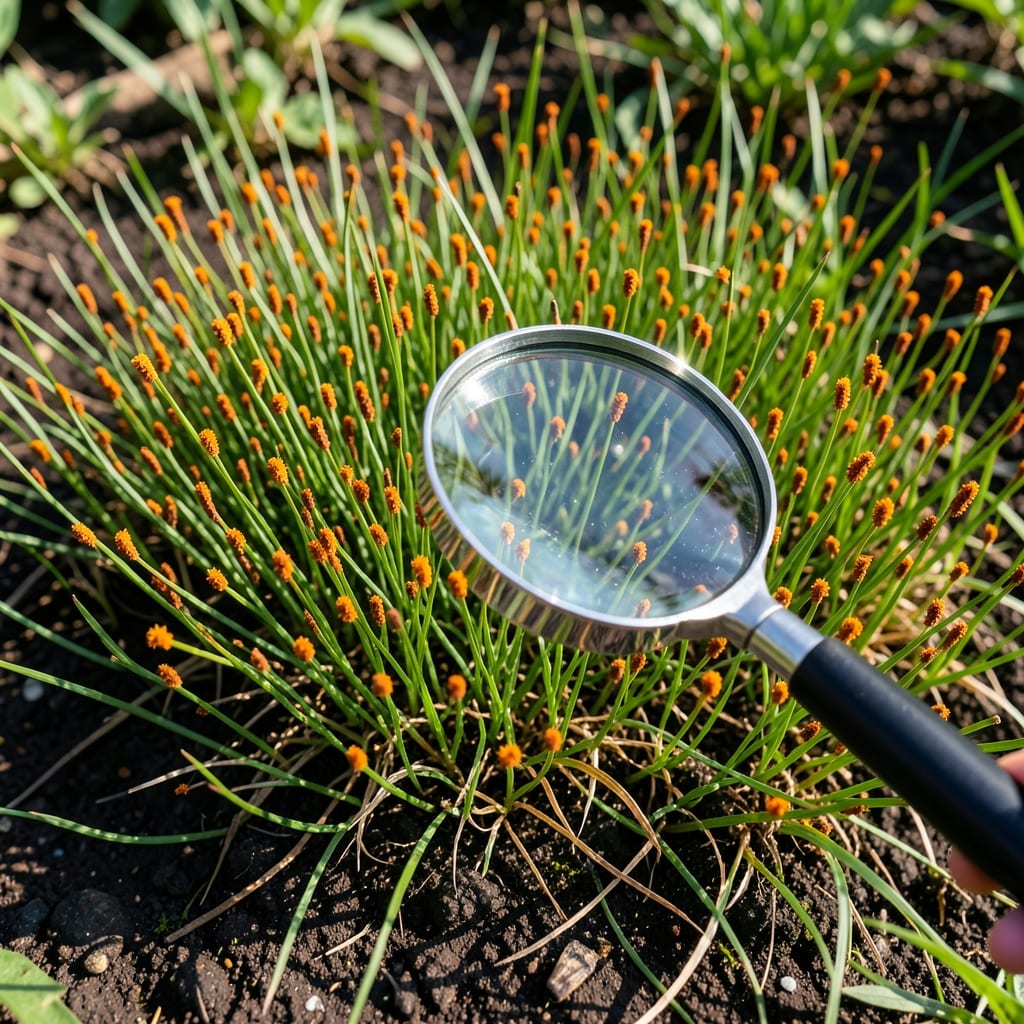
Grass rust is generally not harmful to humans. It cannot infect people, but spores may cause mild allergic reactions or respiratory irritation in sensitive individuals when inhaled.
As a gardener, I’ve learned that while these fungal spores don’t pose infection risks, they can trigger symptoms similar to hay fever in susceptible people. 🌾 The microscopic particles easily become airborne during mowing or handling infected plants, which is why wearing a mask is wise. Those with asthma or allergies should be especially cautious, as exposure can lead to coughing or skin irritation.
💡 In This Article
Grass rust spores contain proteins that can trigger immune responses in sensitive individuals. These microscopic particles, typically 10-30 microns in size, become airborne when disturbed, entering nasal passages and lungs. The body may recognize them as invaders, prompting histamines to cause sneezing, itchy eyes, or congestion.
What makes these spores particularly irritating is their shape and surface chemistry. Their jagged, barbed structures can physically irritate mucosal membranes. Additionally, they carry fungal enzymes that may provoke inflammation in some people, similar to how mold spores affect those with allergies.
Those with pre-existing conditions face higher risks. People with asthma may experience bronchoconstriction when exposed, while those with chronic sinusitis often report increased nasal congestion. The concentration matters too—spore counts exceed 10,000 per cubic meter in heavily infected lawns during dry, windy conditions. 🌬️
Interestingly, the color of the rust provides clues about spore maturity. Bright orange pustules contain fresh, highly allergenic spores, while darker brown ones indicate older, less potent ones. This is why late-season infections often cause fewer reactions than early summer outbreaks.
Children and the elderly may show stronger reactions due to developing or compromised immune systems. Gardening during early morning hours, when humidity is higher and spores are less airborne, can reduce exposure by up to 60%. 💛
Yes, they can cause mild allergic reactions in sensitive individuals. The proteins in spores may prompt sneezing, itchy eyes, or congestion when inhaled.
Use a NIOSH-approved N95 mask, long sleeves, and gloves to minimize exposure. This helps prevent skin irritation and respiratory issues.
Seal them in heavy-duty plastic bags and discard with household trash. Never compost them, as this can spread spores.
Yes, their immune systems are either developing or compromised, making them more susceptible to reactions.
Early morning hours, when humidity is higher and spores are less airborne, can reduce exposure by up to 60%.