
Beautiful Plants For Your Interior
Beautiful Plants For Your Interior
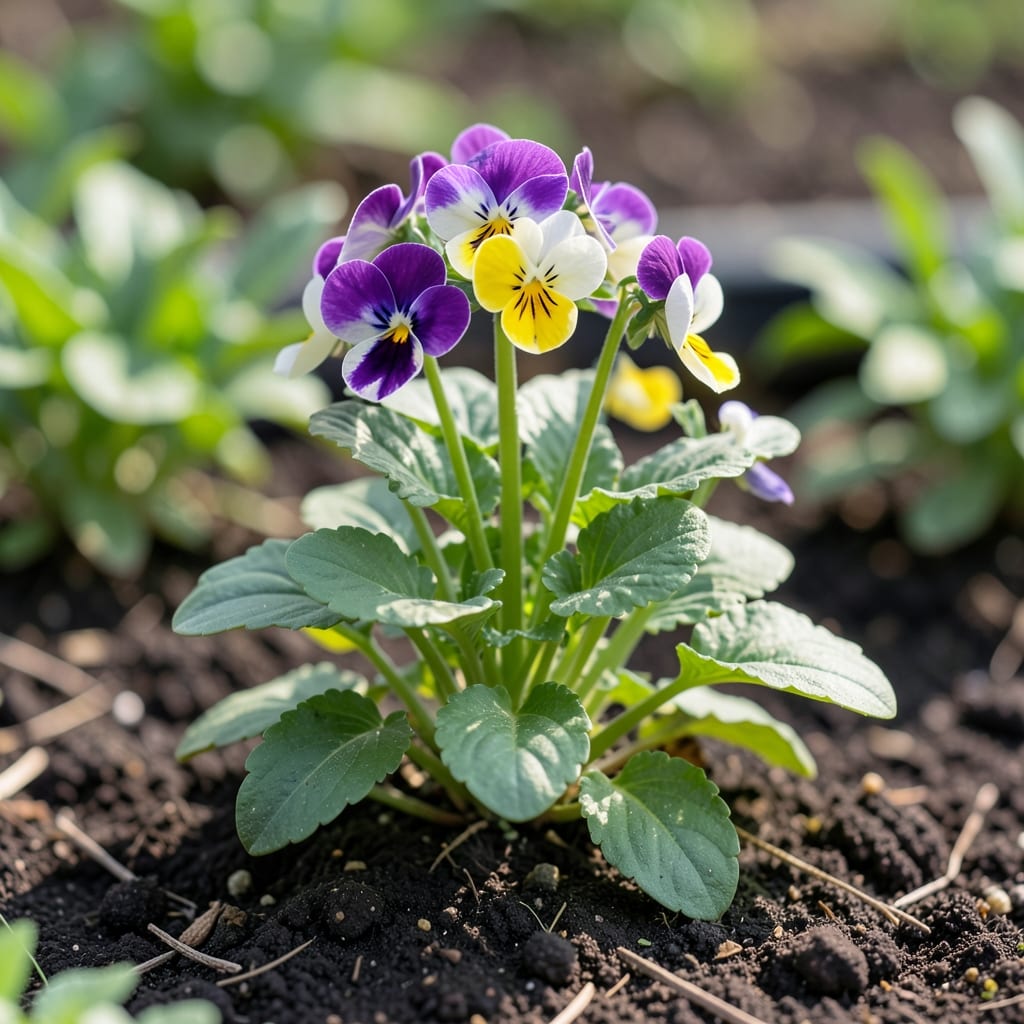
Johnny jump ups are not typically invasive but can self-seed aggressively in ideal conditions, spreading beyond their original planting area if left unchecked.
In my garden, I’ve noticed these cheerful little flowers thrive in disturbed soil and mild climates, which explains their tendency to pop up in cracks and edges. Self-seeding lets them colonize new spots, but they’re easy to pull if they wander too far. I actually enjoy their spontaneous spreads—it adds charm without the aggressive takeover of true invasives. 💫
💡 In This Article
These hardy violas produce seed pods that burst open when mature, scattering tiny seeds up to 3 feet from the parent plant. Each pod contains 20-50 seeds, and in ideal conditions, a single plant can produce hundreds of pods in a season.
The seeds remain viable in soil for 2-3 years, ready to germinate when conditions are right. 🔥
Johnny jump ups thrive in disturbed soil with good drainage and partial shade. They often take root in garden edges, walkway cracks, and between pavers where soil is exposed. Their ability to grow in poor soil means they can establish themselves in places where other plants struggle. This adaptability contributes to their prolific self-seeding.
Moisture triggers germination, so areas with consistent watering or frequent rain see faster spread. The plants grow quickly, often flowering within 6-8 weeks of germination. This rapid life cycle allows multiple generations to grow in a single season, increasing their potential to colonize new areas. ✨
Unlike true invasive species, they don’t form dense monocultures or displace native plants. Instead, they create colorful patches that coexist with other garden plants. Their height typically stays under 6 inches, making them easy to spot and manage before they spread too far.
Temperature also plays a role—seeds germinate best at 60-70°F, which is why you often see new plants emerging in spring and fall. In milder climates, they may self-seed year-round, while colder regions see a seasonal pattern of growth and dormancy. 💫
Each plant can scatter seeds up to 3 feet away. With hundreds of pods per plant, they can cover a 10-foot radius in ideal conditions. Regular deadheading limits this spread significantly.
No, they won’t form dense monocultures or displace other plants. They create colorful patches that coexist well with other species. Their small size (6 inches) makes them easy to manage.
Hand-pull when soil is moist for easy removal. For paved areas, use a vinegar solution (1:3 ratio). Always pull before seeds form to prevent future growth.
Containers give you complete control. Use well-draining soil and place in partial shade. This lets you enjoy their charm without worrying about garden spread.