
Beautiful Plants For Your Interior
Beautiful Plants For Your Interior
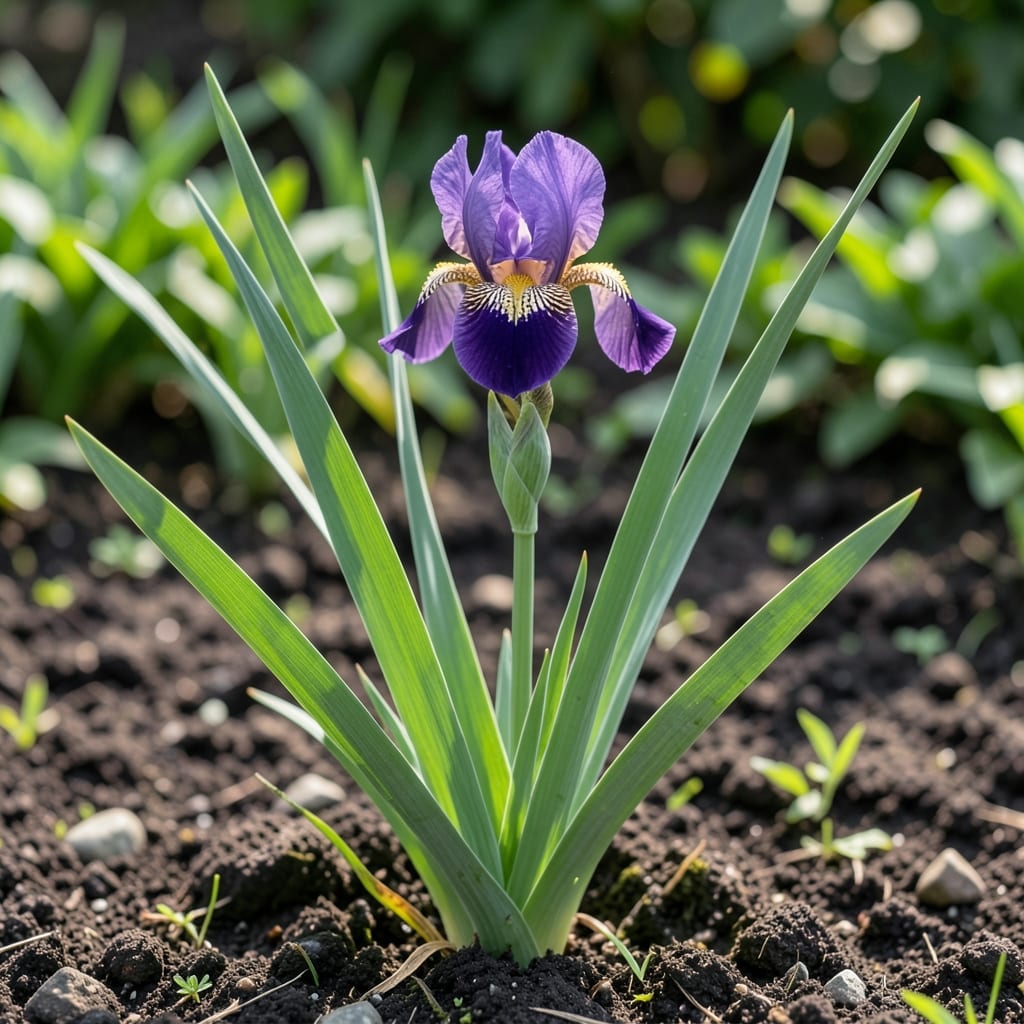
Irises are not true bulbs but grow from rhizomes or bulb-like structures called corms, which store nutrients and help the plant regrow each season.
What fascinates me about these plants is their underground storage systems. Rhizomes spread horizontally just beneath the soil, while corms are more compact and rounded. Both serve as energy reserves, allowing irises to survive dormant seasons and burst back to life with vibrant blooms each year. I’ve noticed this adaptation makes them incredibly resilient in varied climates. ✨
💡 In This Article
True bulbs like tulips have layered fleshy scales that form a complete storage organ. Iris rhizomes, however, are thickened underground stems that grow horizontally. They store starches and other nutrients in a different structure, with nodes that can sprout new shoots and roots.
This horizontal growth pattern allows them to spread gradually across your garden bed. ✨
Corms are the other storage structure some irises use. Unlike rhizomes, corms are vertical, rounded, and more compact. They function like compressed storage units, packed with enough energy for the plant to regenerate after dormancy. A single corm might measure 1-2 inches in diameter and contains everything needed for a new growth cycle. 🌟
What distinguishes these from true bulbs is their growth habit. Rhizomes produce new plants at their tips as they extend outward, while corms multiply by producing offsets around their base. Both systems allow irises to establish extensive colonies over time, with some clumps lasting for decades in ideal conditions. 💫
The nutrient storage is what makes these structures so effective. During the growing season, they absorb and store carbohydrates produced through photosynthesis. When winter arrives or during dry periods, the plant can draw from these reserves, ensuring survival until favorable conditions return. This adaptation explains why irises are so reliable year after year. ⚡
Gardeners often notice that iris rhizomes sometimes break the soil surface. This natural behavior helps with photosynthesis and prevents rot. The exposed portion will develop a slightly corky texture, which is perfectly normal and actually beneficial for the plant’s health. 🔥
Rhizomes are thick underground stems that grow horizontally, while true bulbs like tulips have layered scales. Iris rhizomes store nutrients differently and spread outward, creating new plants at their tips. This growth habit makes them distinct from bulb structures.
Plant in well-draining soil with full sun exposure. Dig shallow holes, covering roots but leaving the top of the rhizome exposed. Space them 12-24 inches apart to allow for natural spreading. This prevents rot and encourages healthy growth.
Divide every 3-4 years when clumps become crowded. The best time is 6 weeks after flowering. Use a sharp knife to separate healthy rhizomes, discarding any soft or diseased portions to maintain plant vigor.
In cold climates, apply a light mulch after the first frost. In warmer areas, they typically need no protection. The rhizomes store enough nutrients to survive dormancy, making irises quite hardy in most conditions.