
Beautiful Plants For Your Interior
Beautiful Plants For Your Interior
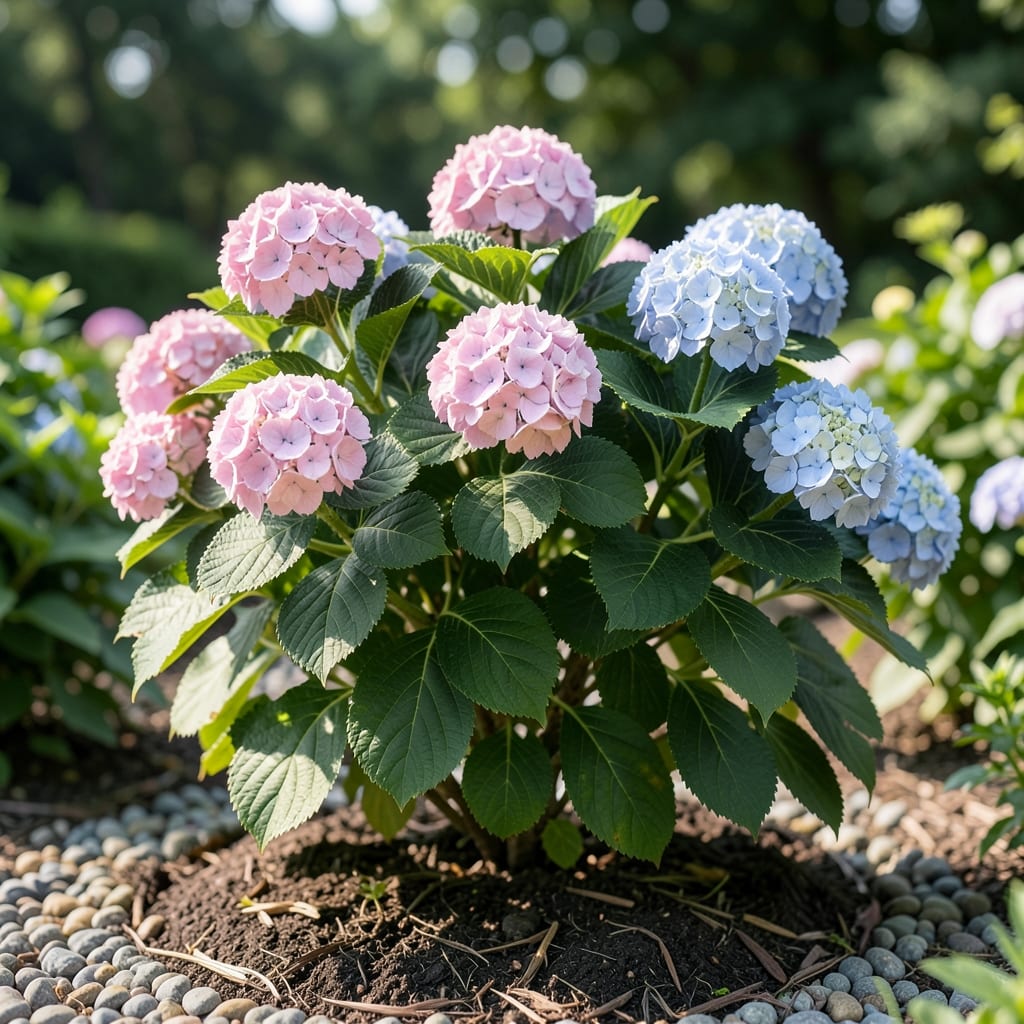
Hydrangeas are generally easy to grow if given the right conditions. They thrive in well-drained soil with partial shade and consistent moisture, making them manageable for beginners with proper care.
What makes them beginner-friendly is their adaptability to various climates and tolerance for occasional neglect. I’ve seen them flourish in everything from urban balconies to rural gardens. The key is understanding their preference for morning sun and afternoon shade, which prevents leaf scorch. 🌟
Their colorful blooms can change based on soil pH, giving you control over their appearance without extra effort.
💡 In This Article
The magic happens in the soil chemistry. Hydrangeas absorb aluminum from the earth, and soil pH directly influences bloom color. In acidic conditions (pH 5.5), aluminum becomes soluble, creating blue flowers. Alkaline soil (pH 6.5+) locks aluminum away, producing pink blooms. This pH sensitivity means you can literally change flower color by amending your soil.
🌟
Sunlight requirements are equally precise. These plants need 4-6 hours of morning sun but suffer in harsh afternoon rays. The leaves contain large, thin cells that scorch easily under intense UV exposure. In hotter zones (USDA 7-9), dappled shade throughout the day prevents wilting and preserves flower vibrancy.
Watering needs reveal another layer of their care. Hydrangeas have shallow root systems that dry out quickly, requiring 1-1.5 inches of water weekly. The leaves show visible signs of distress—drooping in underwatered plants or yellowing in overwatered ones. Mulching with 2-3 inches of organic matter helps maintain consistent moisture while regulating soil temperature. ⚡
What most beginners overlook is air circulation. Planting in crowded spaces leads to powdery mildew, a common fungal issue. Space plants 3-10 feet apart depending on variety. Bigleaf hydrangeas need more room, while panicled types tolerate tighter spacing. This simple spacing rule prevents most disease problems before they start.
Seasonal changes also play a role. In spring, new growth emerges from the base or last year’s stems, depending on the variety. Summer brings the spectacular blooms, while fall is when the plant sets next year’s flower buds.
Understanding this cycle helps you time pruning correctly—remove dead wood in late winter, but avoid cutting healthy stems that hold next year’s flowers. ✨
Bigleaf types need morning sun and afternoon shade. Panicle varieties tolerate more sun. In hot climates, dappled shade prevents leaf scorch.
Provide 1-1.5 inches weekly, especially during the first year. Their shallow roots dry out quickly. Check soil 2 inches down before watering.
Acidic soil (pH 5.5) yields blue flowers. Alkaline soil (pH 6.5+) produces pink. Use soil amendments to adjust color.
Bigleaf types bloom on old wood—prune after flowering. Panicle types bloom on new wood—prune in late winter. Always use clean, sharp shears.