
Beautiful Plants For Your Interior
Beautiful Plants For Your Interior
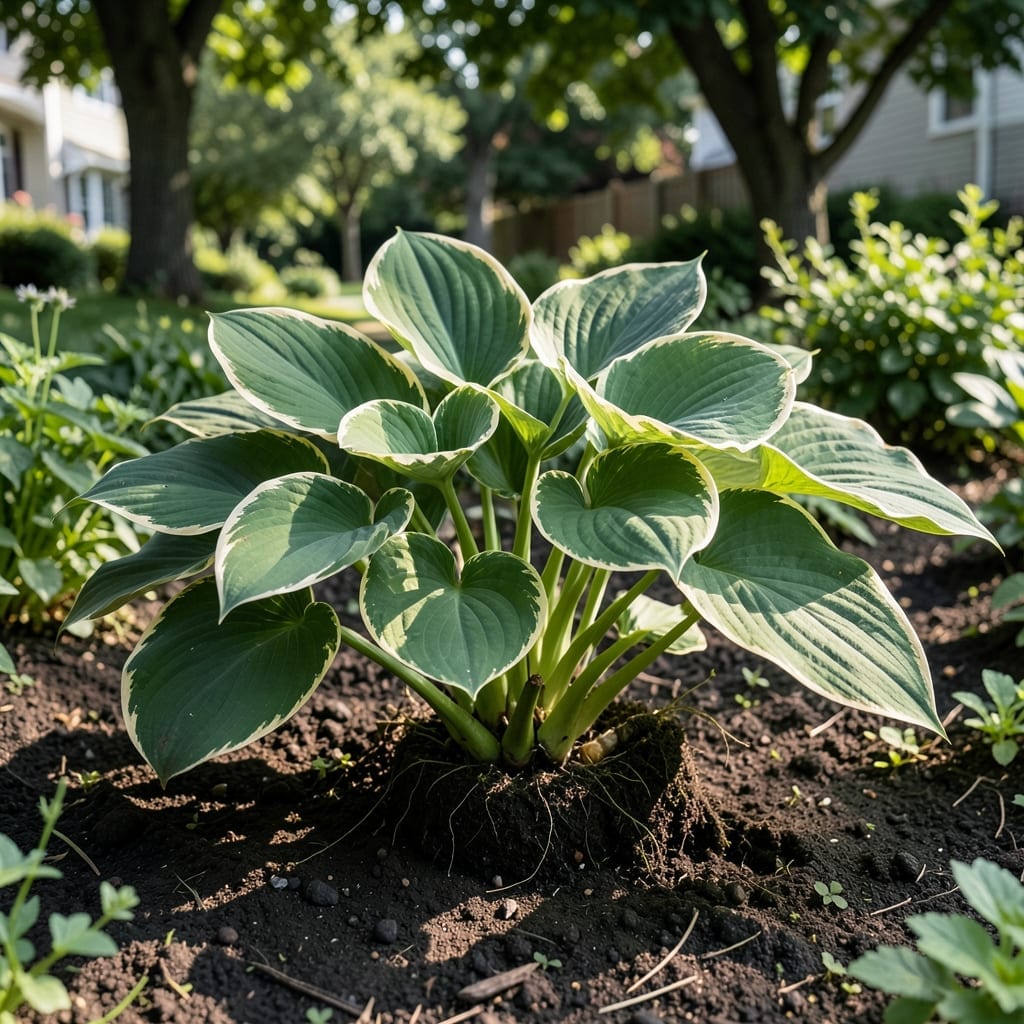
Hostas are not true bulbs but are herbaceous perennials with rhizomes or fibrous roots. They grow from underground stems that store nutrients, unlike bulbs which are rounded, layered structures.
This distinction matters because it affects how you plant and care for them. I’ve found that hostas spread through their rhizomes, creating lush clumps over time, while bulbs produce offsets that grow into separate plants. Understanding this helps you choose the right location and soil conditions for thriving growth. 🔥
💡 In This Article
The key difference lies in their underground structures. True bulbs like tulips or daffodils have a rounded, layered design called a tunicate bulb, where fleshy scales store energy. Hostas, however, grow from rhizomes—horizontal stems that spread just below the soil surface, producing new shoots and roots from nodes along their length.
This rhizomatous system creates a spreading habit that’s perfect for ground cover. Each rhizome can grow 1-2 feet long, sending up new foliage clusters while storing starches and sugars. In contrast, bulb structures remain compact, with growth emerging from the top and roots from the bottom. 🔥
Hostas belong to the Asparagaceae family, while most true bulbs are in the Amaryllidaceae or Liliaceae families. This genetic difference explains why hostas produce broad, leafy foliage rather than the upright stems and flowers typical of bulb plants. Their growth pattern is more similar to ginger or bamboo than to tulips.
Another distinction is how they propagate. True bulbs create offsets that develop into new bulbs, while hostas spread through rhizome division. This means hostas can form dense colonies over time, with each new shoot emerging from a different point along the rhizome.
Gardeners often divide these rhizomes every 3-4 years to maintain vigor and control spread. ✨
Soil interaction differs too. Bulbs typically need well-draining soil to prevent rot, while hostas thrive in moisture-retentive, organic-rich soil. Their rhizomes can tolerate more consistent moisture because they’re not as prone to waterlogging damage as bulb structures. This makes hostas ideal for shady, moist garden spots where bulbs might struggle.
Visually, you’ll notice hostas emerge as leafy mounds from the ground, while bulb plants often send up single stems with flowers. This fundamental growth pattern difference is why hostas are classified as herbaceous perennials rather than bulbous plants. 💫
Hostas grow from rhizomes, which are horizontal underground stems. These store nutrients and send up new shoots and roots, unlike the rounded bulb structures of plants like tulips.
Yes, but with key differences. Plant hosta rhizomes 1-2 inches deep in rich, moist soil, spacing them 18-24 inches apart. Unlike bulbs, they prefer shade and consistent moisture.
Their rhizomes grow horizontally, producing new shoots along their length. This creates a spreading habit, forming dense clumps. Dividing every 3-4 years keeps them healthy and controlled.
Yes! As herbaceous perennials, hostas die back in winter but regrow each spring from their underground rhizomes. They can thrive for decades with proper care.
Use a sharp spade in early spring or fall to separate rhizome clumps. Ensure each division has 2-3 buds for healthy regrowth. This rejuvenates old plants and gives you more to plant.