
Beautiful Plants For Your Interior
Beautiful Plants For Your Interior
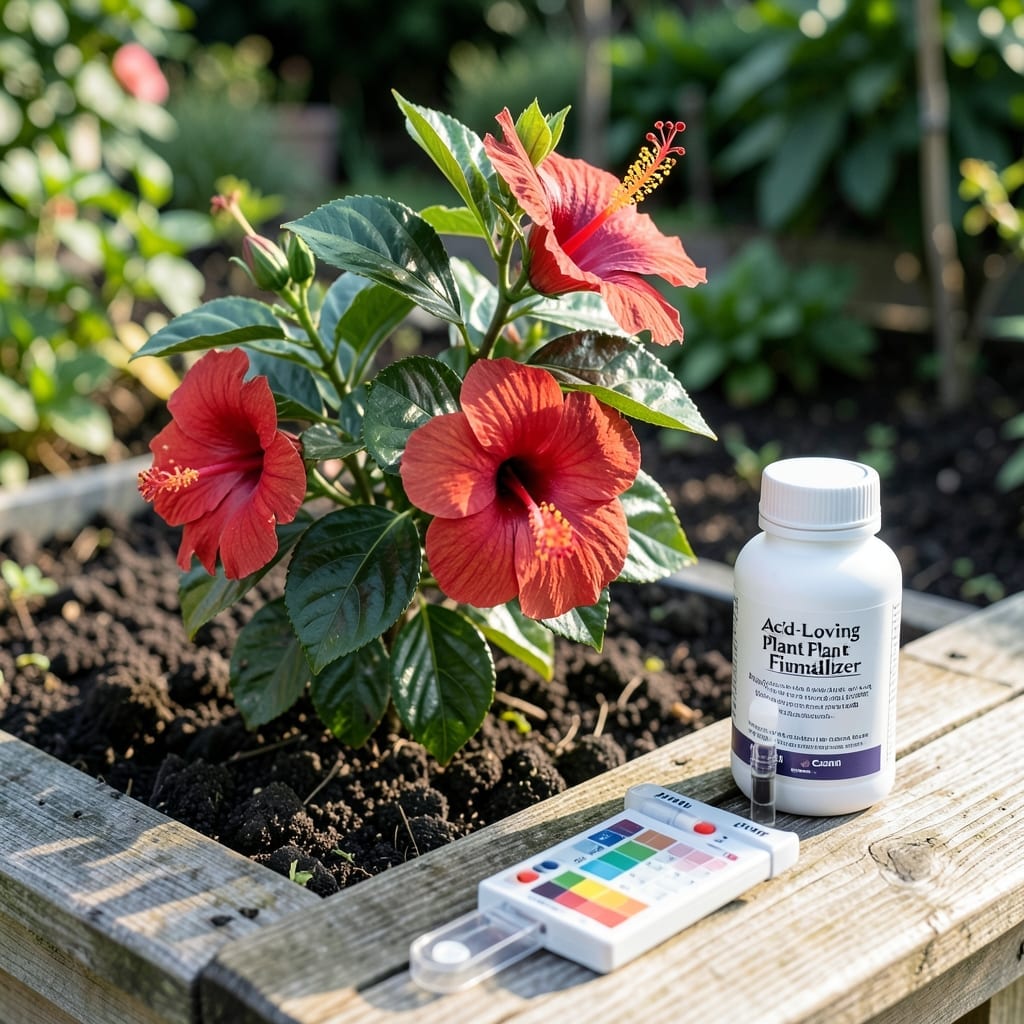
Hibiscus plants thrive in slightly acidic to neutral soil, with an ideal pH range of 6.0 to 7.0. They can tolerate mild acidity but do not require highly acidic conditions like some other flowering plants.
I’ve noticed these vibrant bloomers do best when their roots can access nutrients without struggling. 🌟 A pH of 6.5 often hits the sweet spot, balancing iron and phosphorus availability. Unlike azaleas, which demand strongly acidic soil, hibiscus adapts well to garden beds with minimal amendments. Regular testing helps, especially if leaves yellow or growth slows.
💡 In This Article
The science starts with nutrient solubility. In slightly acidic soil (6.0-7.0 pH), essential minerals like iron and manganese become more available to hibiscus roots. These elements drive chlorophyll production, giving leaves their deep green color and supporting robust photosynthesis. Too alkaline, and these nutrients lock up, causing deficiencies. 🔥
Root health also depends on pH balance. At 6.5 pH, beneficial soil microbes thrive, creating a symbiotic relationship that breaks down organic matter into plant-usable nutrients. This microbial activity enhances root development, allowing hibiscus to absorb water and nutrients efficiently. Poor pH can stress roots, making them vulnerable to rot and disease. ✨
Flower production is directly tied to this chemistry. Hibiscus needs phosphorus for blooming, and it’s most accessible in this pH range. When soil becomes too acidic (below 5.5), aluminum toxicity can occur, stunting growth and reducing flower count.
On the flip side, overly alkaline soil (above 7.5) may cause iron chlorosis, turning leaves yellow with green veins.
Visible signs of imbalance include slow growth, weak stems, or leaves with brown edges. Yellowing between leaf veins often signals iron deficiency from high pH. Meanwhile, purple stems or leaf undersides may indicate phosphorus scarcity in overly acidic conditions. Regular monitoring helps catch these early. 🌟
For comparison, blueberries demand strongly acidic soil (4.5-5.5 pH), while hibiscus tolerates a broader range. This adaptability makes them easier to grow in diverse garden settings, though they still perform best when pH stays within their preferred zone.
Hibiscus thrives in slightly acidic to neutral soil, ideally between 6.0 and 7.0 pH. This range ensures optimal nutrient uptake, particularly for iron and phosphorus, which are vital for healthy growth and vibrant blooms.
While hibiscus tolerates mild acidity, soil below 5.5 pH can cause aluminum toxicity, stunting growth and reducing flowers. Unlike blueberries, hibiscus doesn’t require strongly acidic conditions and performs best in balanced soil.
To lower pH, mix in elemental sulfur or peat moss around the root zone. Retest after 2-3 weeks to track progress. Organic amendments like cottonseed meal also help gradually acidify the soil.
Yellowing leaves with green veins often signal iron deficiency from high pH. Purple stems or slow growth may indicate phosphorus scarcity in overly acidic soil. Regular testing helps catch imbalances early.