
Beautiful Plants For Your Interior
Beautiful Plants For Your Interior
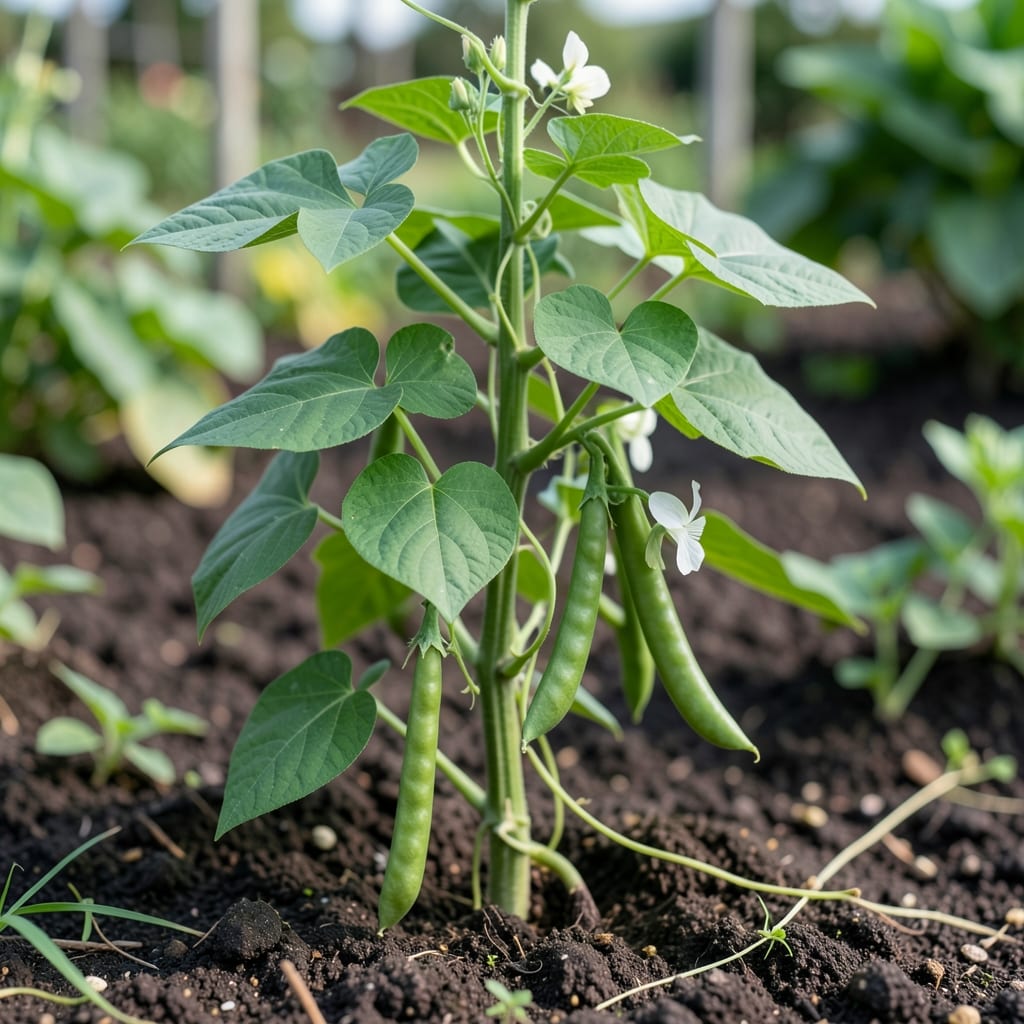
Green bean leaves are not edible raw as they contain lectins and cyanogenic glycosides, which can be toxic. Cooking may reduce but not eliminate these compounds, so it’s best to avoid consuming them.
I always advise caution with plant parts beyond the beans themselves because these natural defenses persist even after heat exposure. The lectins can cause digestive upset, while cyanogenic glycosides may release harmful cyanide in the body. 🔥
Instead of risking consumption, I repurpose these leaves in my garden as nutrient-rich compost or mulch.
💡 In This Article
Green bean leaves contain two concerning compounds: lectins and cyanogenic glycosides. Lectins are proteins that can resist digestion, potentially damaging the gut lining. Meanwhile, cyanogenic glycosides release cyanide when metabolized, which interferes with cellular oxygen use at concentrations as low as 0.5-3.5 mg/kg of body weight. 🔥
Cooking at 212°F for 10-15 minutes can degrade some lectins but doesn’t guarantee complete elimination. Cyanogenic glycosides are more heat-stable, requiring prolonged boiling to significantly reduce their toxicity. Even then, residual amounts may remain unsafe for consumption. ✨
The body reacts to these toxins with symptoms ranging from nausea to severe gastrointestinal distress. Children and pets are particularly vulnerable due to their lower body weight. The leaves’ fibrous texture also makes them difficult to digest, compounding the risk. 💫
Scientific studies show that Phaseolus vulgaris (common green bean) leaves maintain detectable toxin levels even after standard cooking. This persistence occurs because the compounds are bound within plant cell structures that heat doesn’t fully break down. ⚡
For perspective, raw cassava (another cyanogenic plant) requires 5+ hours of soaking and cooking to become safe. Green bean leaves lack this established detoxification process, making avoidance the only reliable safety measure.
They contain lectins and cyanogenic glycosides, natural toxins that can cause digestive issues or cyanide poisoning. Even cooking doesn’t fully remove these compounds.
Boiling at 212°F for 10-15 minutes reduces some toxins but doesn’t eliminate them. Cyanogenic glycosides are particularly heat-resistant, so consumption remains risky.
Yes! They’re excellent for composting or as a 2-3 inch mulch layer. Some gardeners also use them as a natural pest deterrent around other plants.
Mild cases cause nausea or vomiting, while severe exposure may lead to dizziness or difficulty breathing. Children and pets are especially vulnerable due to their size.