
Beautiful Plants For Your Interior
Beautiful Plants For Your Interior
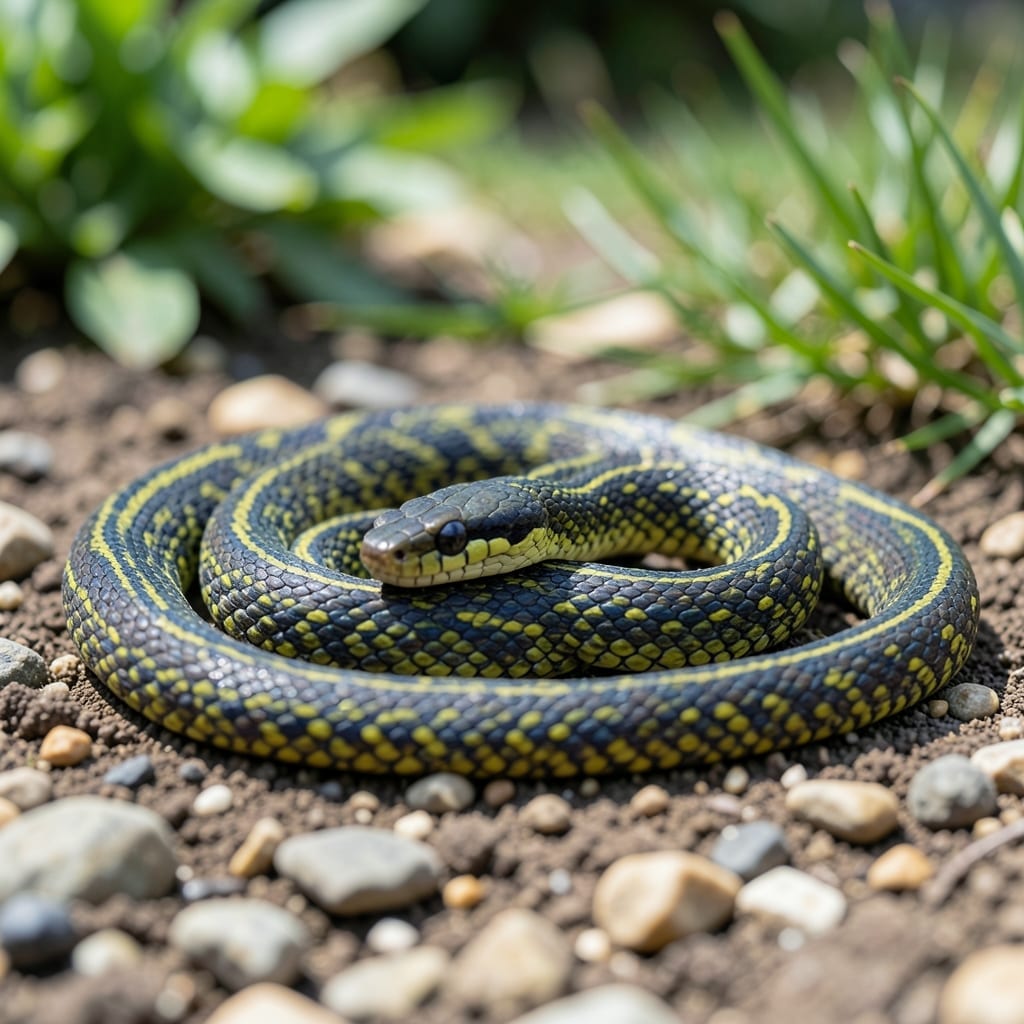
Garter snakes are beneficial garden allies that control pests like slugs, worms, and insects without harming plants, making them valuable for natural pest management.
I’ve noticed these slender snakes thrive in gardens because they prey on common pests that damage plants. Their presence reduces the need for chemical pesticides, which is a win for both your yard and the environment. Plus, they’re harmless to humans and actually help maintain a balanced ecosystem in your outdoor space. ✨
What’s fascinating is their ability to adapt to various habitats, from grassy lawns to vegetable patches. 💫
💡 In This Article
Garter snakes act as natural pest controllers by preying on garden nuisances that most homeowners battle constantly. Their diet consists of 60-70% earthworms, but they also consume slugs, snails, frogs, and small rodents that damage plants. One adult garter snake can eat 10-15 earthworms per day, significantly reducing soil disturbance that affects root systems. 🔥
Unlike chemical pesticides that disrupt entire ecosystems, these snakes target pests with surgical precision. They hunt using a combination of scent tracking and heat detection, often consuming prey that’s 1/3 to 1/2 their body length.
Their presence creates a ripple effect: fewer slugs means healthier lettuce, fewer rodents means less damage to bulb plants, and fewer insects means better pollination for flowers.
What makes them particularly valuable is their adaptability to human environments. Garter snakes thrive in gardens with dense ground cover, compost piles, or water sources. They’re most active during early morning and late afternoon when temperatures range from 70-85°F, aligning perfectly with peak pest activity periods. This timing maximizes their hunting efficiency.
Their digestive process is remarkably efficient. After consuming prey, they can go 1-2 weeks without eating again, making them low-maintenance allies. They also help control pest populations that might otherwise explode during warm, wet seasons—exactly when gardens are most vulnerable. ✨
Garter snakes contribute to soil health by distributing nutrients through their waste. Their droppings contain high levels of nitrogen and phosphorus, acting as a natural fertilizer. This creates a self-sustaining cycle where the snakes benefit from the garden’s bounty while simultaneously enriching the soil that feeds your plants.
They rarely bite and only if severely threatened. Their tiny teeth can’t break skin easily, and they prefer to flee when sensing movement.
Leave leaf litter, tall grass, and brush piles for shelter. Add a shallow water source like a birdbath. These create ideal hunting and hiding spots.
Earthworms make up 60-70% of their diet, but they also consume slugs, snails, and small rodents that damage plants. One adult can eat 10-15 earthworms daily.
They’re most active in spring and summer, especially during early morning and late afternoon when temperatures hit 70-85°F. They hibernate in winter.