
Beautiful Plants For Your Interior
Beautiful Plants For Your Interior
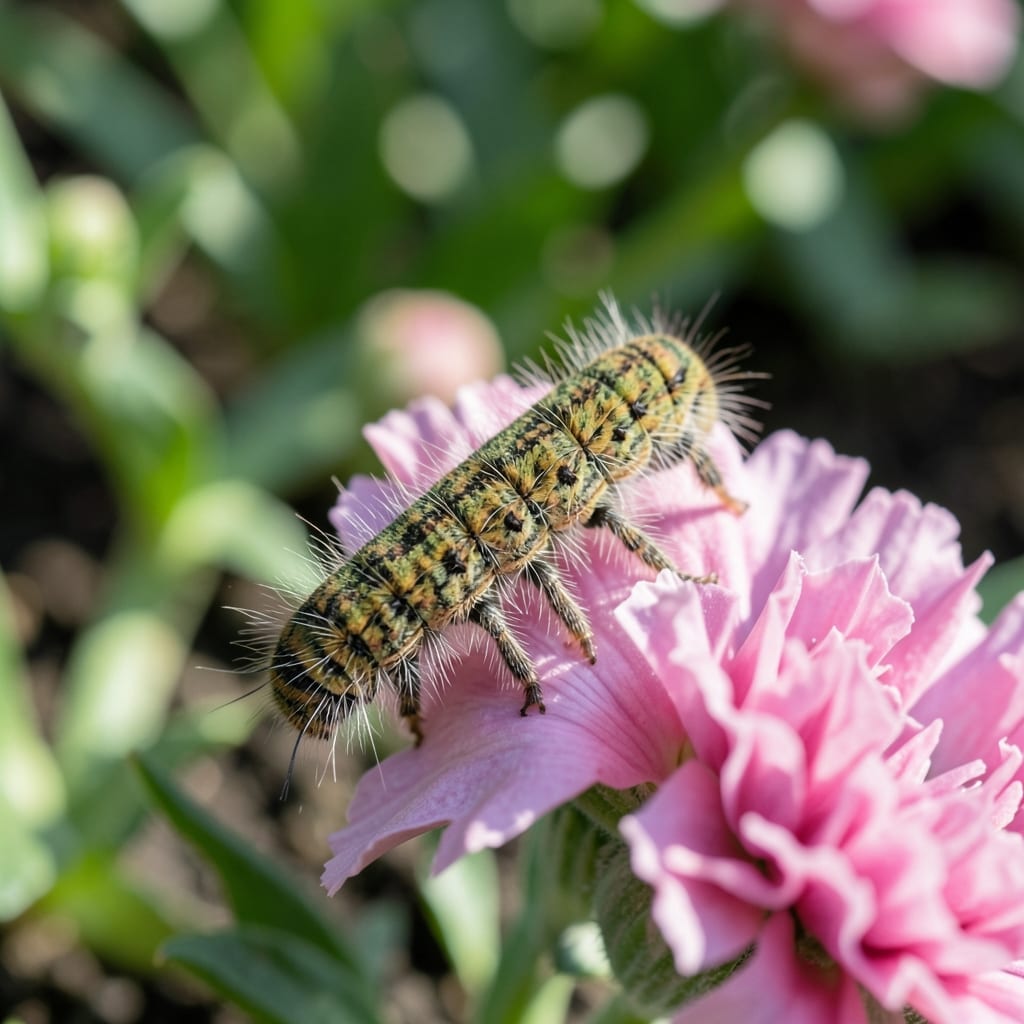
Dianthus are generally deer and rabbit resistant due to their strong fragrance and slightly bitter taste, though no plant is completely safe from determined pests.
From my experience, the pungent scent of dianthus often masks other garden plants, creating a natural deterrent. 🔥 The slightly bitter compounds in their foliage make them less palatable, so wildlife tends to avoid them unless food is extremely scarce. I’ve seen this work especially well in mixed borders where the fragrance spreads effectively.
💡 In This Article
The secret lies in dianthus’s chemical makeup. These plants produce volatile aromatic compounds like eugenol and geraniol, which create their signature spicy, clove-like scent. This fragrance overwhelms the sensitive olfactory systems of deer and rabbits, masking more appealing smells in your garden. 🔥
Beyond scent, dianthus contains bitter-tasting alkaloids in its foliage and stems. These compounds make the plant unpalatable to browsing animals. Studies show that deer typically avoid plants with alkaloid concentrations above 0.5%, and dianthus often exceeds this threshold. The bitter taste acts as a natural defense mechanism.
The plant’s physical characteristics contribute too. Dianthus has tough, slightly fuzzy leaves that are less appealing to eat than tender garden vegetables. The combination of scent, taste, and texture creates a multi-layered deterrent system that most wildlife finds unappealing.
Interestingly, this resistance varies by dianthus variety. China pinks (Dianthus chinensis) and sweet williams (Dianthus barbatus) tend to have higher concentrations of deterrent compounds. Gardeners report these varieties suffer 80-90% fewer browsing incidents compared to more vulnerable plants.
However, extreme hunger can override these natural defenses. During harsh winters or droughts when food is scarce, even the most resistant dianthus may get nibbled. This is why gardeners in high-pressure areas often combine dianthus with other deterrent strategies for maximum protection. ✨
Dianthus produces strong aromatic compounds and bitter-tasting alkaloids that most wildlife finds unpleasant. The spicy, clove-like scent overwhelms their sensitive noses while the bitter foliage discourages browsing.
No, resistance varies by type. China pinks and sweet williams typically have higher concentrations of deterrent compounds. These varieties experience 80-90% fewer browsing incidents than more vulnerable plants.
Yes, during harsh winters or droughts when food is scarce, even resistant dianthus may get nibbled. In high-pressure areas, combine them with other deterrent strategies like fencing or repellents for best results.
Plant dianthus near lavender, rosemary, or catmint. These companions enhance the fragrance barrier while creating a layered defense that confuses pests and protects your entire garden.