
Beautiful Plants For Your Interior
Beautiful Plants For Your Interior
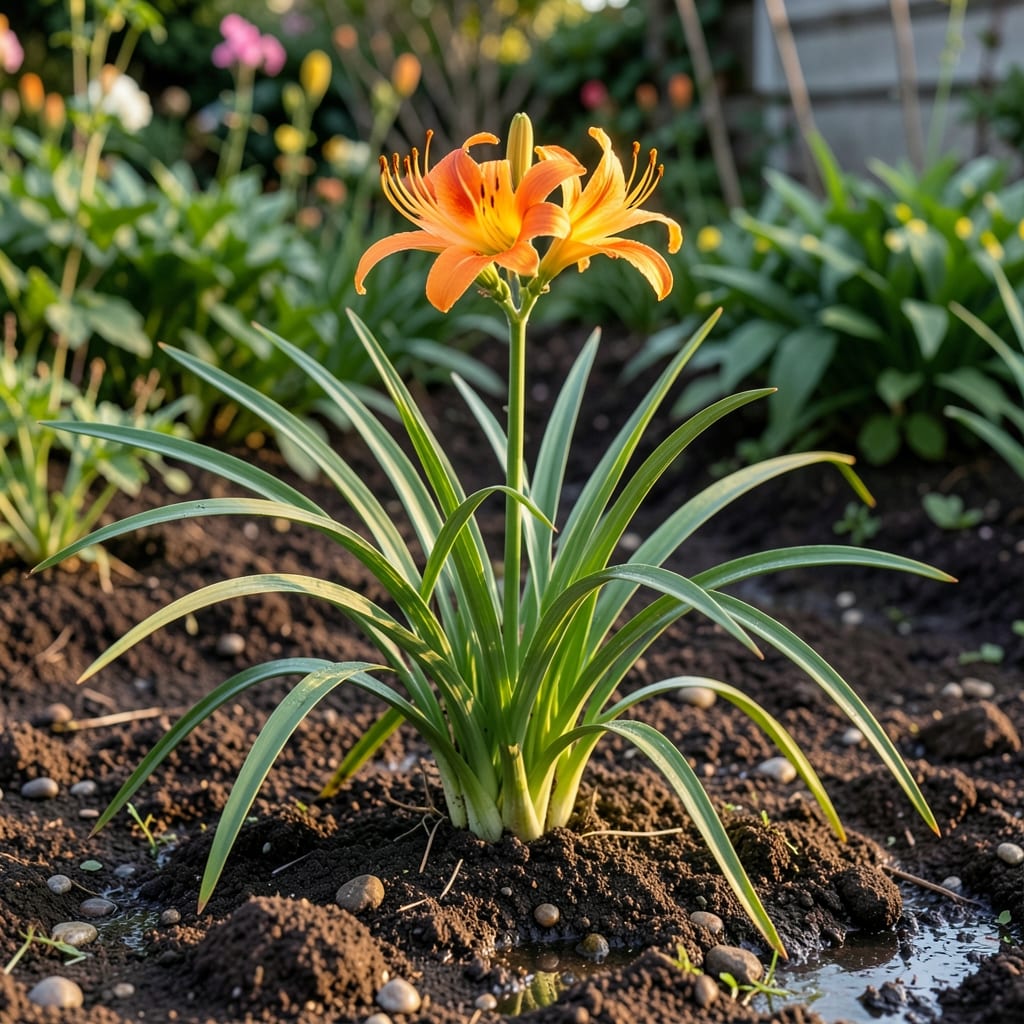
Daylilies are not true bulbs but grow from fleshy roots called tubers or crowns, which store nutrients and help the plant regrow each year.
What sets daylilies apart is their unique tuberous root system, which functions differently than typical bulbs. These structures store energy in a more spread-out network rather than a single compact unit. I’ve found this makes them incredibly resilient—even after harsh winters, they bounce back with vigor. Their growth pattern also allows for easier division and propagation compared to bulb-based plants. ⚡
💡 In This Article
True bulbs like tulips or daffodils are complete storage units with a compressed stem, fleshy leaves, and a protective tunic. Daylilies, however, develop from tuberous roots or crowns—thick, fleshy underground stems that spread horizontally. These structures store starches and sugars differently, distributing energy across a network rather than a single point. 🔥
This horizontal growth creates a mat-like system that can reach 12-18 inches in diameter. Each tuber contains growth buds that produce new fans of foliage, unlike bulbs that push a single shoot upward. The crown, where roots and shoots meet, sits just below soil level, making daylilies more adaptable to varying planting depths.
What makes this system practical is its resilience. While bulbs can rot if overwatered, daylily tubers tolerate moisture better due to their fibrous nature. They also recover faster from division, as each separated section contains its own energy reserves. This explains why established clumps can be split every 3-4 years without stress. ✨
The energy storage method affects blooming too. Bulbs often produce a single spectacular display, then go dormant. Daylilies, however, store energy incrementally, allowing for repeated blooming cycles throughout the growing season. This is why you’ll see some varieties produce 200-400 flowers per plant annually.
Gardeners benefit from this structure in multiple ways. The spreading habit creates natural ground cover, while the distributed energy storage means less risk of total loss if one section is damaged.
Plus, the tubers’ ability to regenerate from small pieces makes propagation nearly foolproof—even a 2-inch section with a bud can grow into a new plant. 💫
Daylilies grow from tuberous roots and crowns, which form a spreading network. True bulbs like tulips are self-contained storage units with a compressed stem inside a tunic.
Early spring or fall works best. Plant crowns 1 inch below soil surface, spacing them 18-24 inches apart. This timing allows roots to establish before extreme temperatures.
Yes! Each 2-inch section with a growth bud can produce a new plant. Divide clumps every 3-4 years to maintain vigor and prevent overcrowding.
Their tuber system stores energy incrementally, allowing multiple bloom cycles. Unlike bulbs that exhaust energy in one display, daylilies can produce 200-400 flowers annually.