
Beautiful Plants For Your Interior
Beautiful Plants For Your Interior
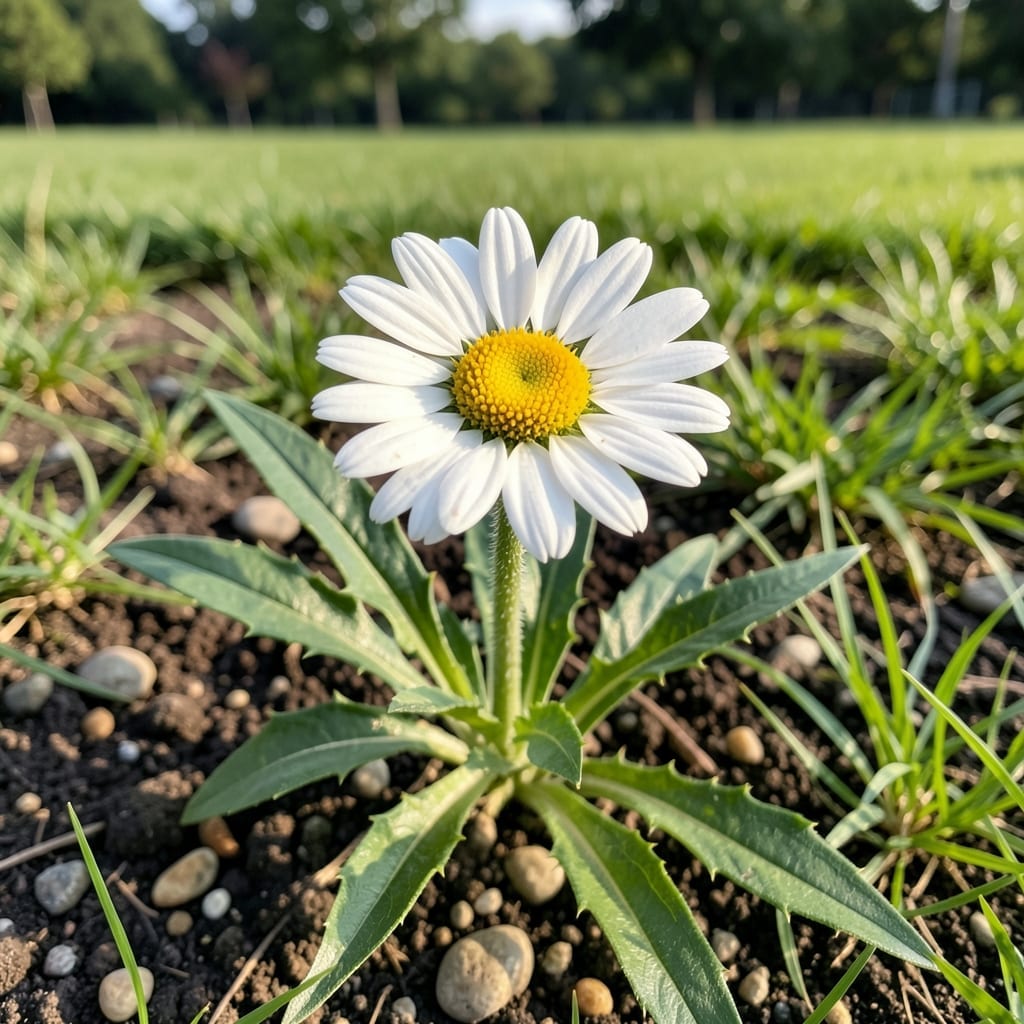
Daisies can be annual, biennial, or perennial depending on the species. Common types like Shasta and Oxeye daisies are perennials, while others like African daisies may be annuals in colder climates.
What I find fascinating is how their lifespan adapts to environment. 🌟 In warmer regions, many varieties thrive year after year, while the same species might only last one season in harsher climates. This flexibility explains why gardeners often see different results with identical plants in varying locations.
💡 In This Article
The lifespan of daisies is primarily determined by their genetic programming. Annual daisies like African daisies (Dimorphotheca) complete their entire life cycle—from seed to flower to seed—in a single growing season. This rapid growth is an evolutionary adaptation to harsh or unpredictable climates where survival beyond one year is unlikely.
Perennial daisies, such as Shasta (Leucanthemum) or Oxeye (Chrysanthemum leucanthemum), have a different strategy. Their root systems, called rhizomes, store energy during winter dormancy. This allows them to regrow from the same roots each spring for 3-5 years or more, producing new stems and blooms annually.
Climate plays a crucial role in this classification. A plant that behaves as a perennial in USDA Zone 8 might only survive as an annual in Zone 4. The cold tolerance threshold varies: Shasta daisies can survive down to -20°F, while African daisies often perish below 25°F. 🌟
Biennial daisies, like some English daisy (Bellis perennis) varieties, take two years to complete their cycle. They spend the first year developing foliage and roots, then flower, produce seeds, and die in the second year. This delayed reproduction allows them to build energy reserves for more robust blooming.
The blooming cycle itself is fascinating. Perennials often have a spring-to-fall blooming season, while annuals may flower continuously until frost. The key difference lies in energy allocation: annuals invest everything in one explosive growth period, while perennials distribute their energy over multiple years.
Gardeners can influence this cycle through care. Deadheading spent blooms on perennials encourages additional flowering, while providing winter mulch in colder zones can extend the lifespan of borderline perennials. This interaction between plant genetics and environmental conditions creates the diversity we observe in daisy lifespans. ✨
No, it depends on the type. Perennials like Shasta daisies return for 3-5 years, while annuals like African daisies complete their life cycle in one season and won’t regrow.
Check the plant tag or roots. Annuals have shallow, fibrous roots, while perennials develop thicker crowns or rhizomes that survive winter. Seasonal behavior also clues you in.
Cold tolerance varies by species. Shasta daisies survive down to -20°F, but African daisies perish below 25°F. In harsh zones, tender varieties can’t endure winter.
Yes! In containers or cold climates, you can treat perennials as annuals. They’ll still bloom beautifully for one season, just without the expectation of regrowth.