
Beautiful Plants For Your Interior
Beautiful Plants For Your Interior
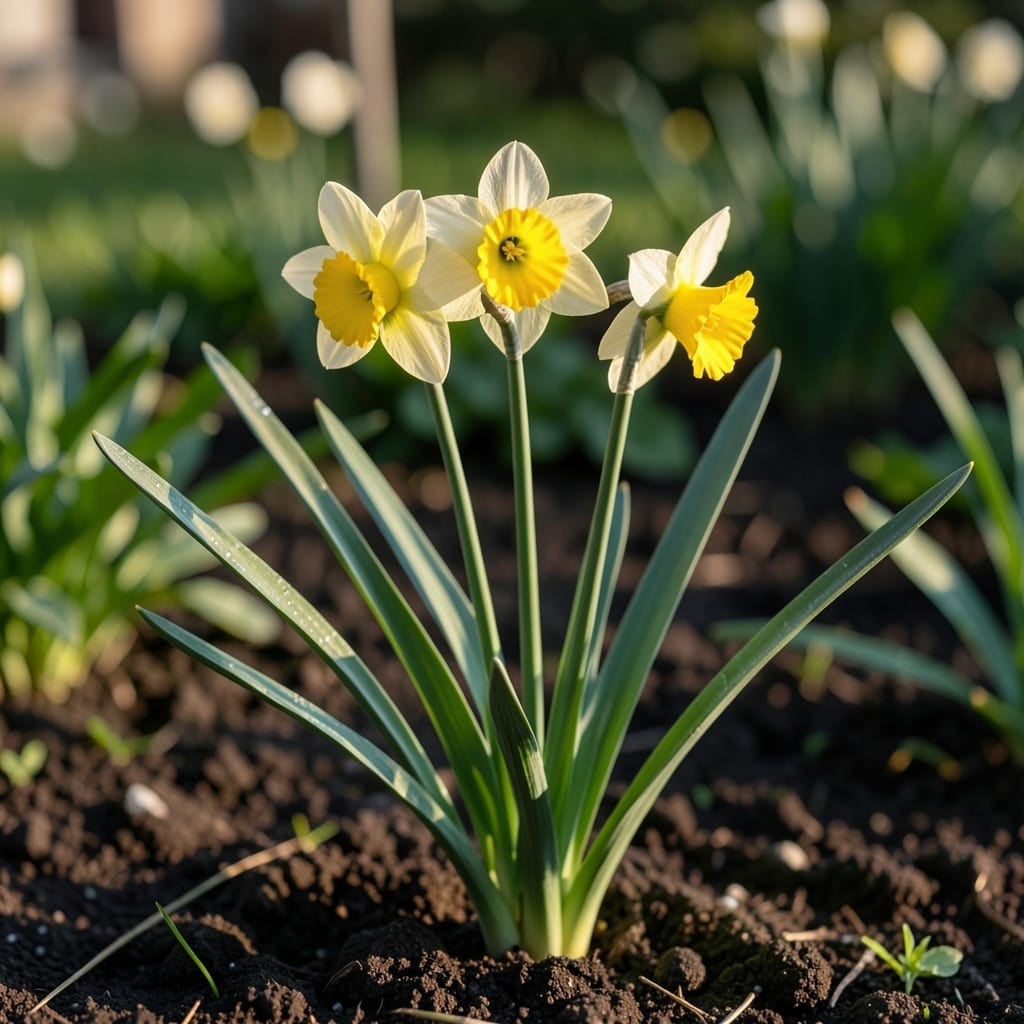
Daffodils are perennials, returning year after year from underground bulbs. They bloom in spring, die back in summer, and regrow each season with proper care.
I love how daffodils exemplify the resilience of perennials by storing energy in their bulbs during dormancy. This built-in survival system allows them to bounce back with vibrant spring blooms without replanting. 🌟
What makes them garden favorites is their low-maintenance nature—once planted, they’ll multiply and return for decades with minimal effort from you.
💡 In This Article
The secret lies in their specialized underground storage organs. Daffodil bulbs act like natural batteries, packing away starches and sugars during the growing season to fuel next year’s growth. This energy reserve allows them to survive 6-8 months of dormancy when above-ground foliage dies back completely. 🌟
During winter, the bulb triggers internal changes despite freezing temperatures. Hormonal signals activate growth buds when soil warms to about 40-45°F, prompting roots to emerge first. The stored nutrients then push up shoots that will become the iconic yellow, white, or orange trumpets we recognize. This cycle repeats annually without human intervention.
What’s fascinating is how daffodils time their nutrient storage. After blooming in spring, the plant shifts energy from flowers to bulb replenishment. The foliage must remain intact for 6-8 weeks post-bloom to complete this critical photosynthesis process. Premature cutting short-circuits next year’s display.
Genetically, daffodils are programmed for longevity. Most varieties naturally multiply by producing offset bulbs. Over 3-5 years, a single planted bulb can become a cluster of 5-10 flowers. This asexual reproduction ensures the plant’s survival even if seeds never form.
The bulb’s papery tunic provides additional protection. This dry outer layer prevents moisture loss during dormancy while allowing gas exchange. It’s nature’s perfect packaging for the energy-packed organ that makes perennial regrowth possible year after year. ✨
Yes, with proper care, they return annually from the same bulbs. Each spring brings new blooms as long as foliage is allowed to die back naturally after flowering.
Healthy bulbs can thrive for 10-15 years or more in ideal conditions. They multiply naturally, creating larger displays over time. Dividing every 3-5 years keeps them vigorous.
Use well-draining containers and plant bulbs 6-8 inches deep. Water moderately, then move pots to a cool, dark place for 12-14 weeks before bringing into light.
Common causes: cutting foliage too soon, overcrowded bulbs, or planting in too-shady spots. Ensure they get 6-8 weeks of post-bloom foliage growth for next year’s flowers.