
Beautiful Plants For Your Interior
Beautiful Plants For Your Interior
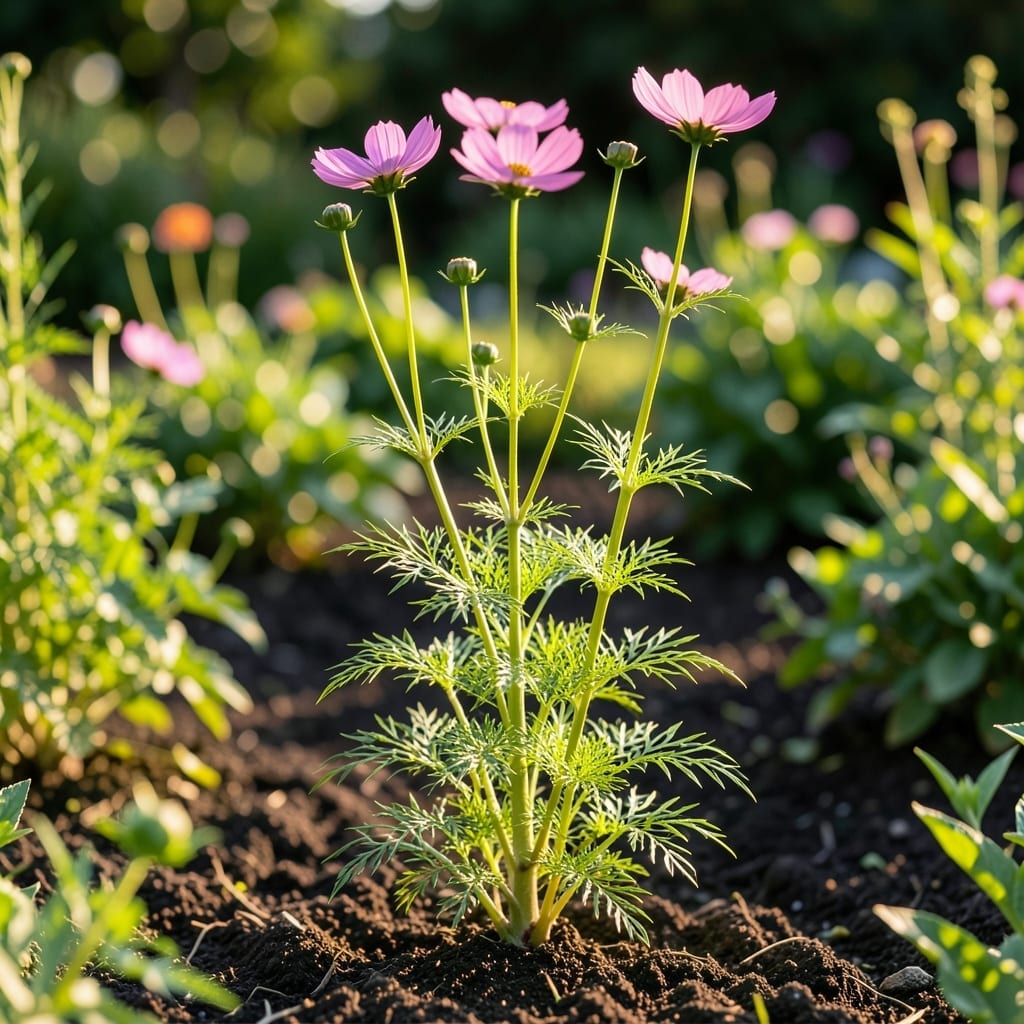
Most cosmos varieties are annuals, completing their life cycle in one growing season. However, some species can behave as perennials in warmer climates or self-seed prolifically.
What fascinates me is how these vibrant flowers thrive in USDA zones 2-11, often reseeding so abundantly that they seem to return year after year. 🌟 In milder regions, varieties like Cosmos atrosanguineus may even survive winter as short-lived perennials. I’ve seen gardeners in frost-free areas enjoy continuous blooms without replanting, thanks to this natural regeneration.
💡 In This Article
The annual classification of cosmos stems from their rapid life cycle. These plants germinate, grow, flower, and produce seeds all within 60-90 days, a trait that evolved in their native Mexican habitats where seasonal changes are dramatic. This quick turnaround allows them to complete reproduction before harsh conditions arrive.
Cosmos bipinnatus, the most common variety, exemplifies this pattern perfectly. Its seeds can remain viable in soil for 2-5 years, sprouting when conditions become favorable. The plant channels all its energy into producing abundant daisy-like blooms and seeds rather than developing woody stems or root systems for long-term survival.
From a biological perspective, cosmos are programmed to prioritize reproduction over longevity. Their shallow root systems and herbaceous stems aren’t built to withstand freezing temperatures, which is why they typically die back after the first frost in colder climates. This strategy ensures species propagation through prolific seed production rather than individual plant survival. 🔥
In their native environment, this annual cycle provides a survival advantage. The Mexican dry season aligns perfectly with cosmos’ growth pattern, allowing seeds to lie dormant until the rainy season triggers germination. This adaptation to specific environmental cues is what makes most cosmos varieties true annuals.
What’s fascinating is how this annual tendency actually benefits gardeners. The plant’s focus on quick growth and abundant flowering means you get more blooms per season than you would with many perennials. A single cosmos plant can produce hundreds of seeds, creating a self-sustaining display year after year in the right conditions. ✨
In most climates, cosmos behave as annuals and won’t return the following year. However, they often self-seed so prolifically that new plants sprout from dropped seeds each spring.
Cosmos atrosanguineus may act as a short-lived perennial in zones 9-11. Other varieties typically die with frost but can regrow from self-sown seeds.
Most cosmos complete their life cycle in 60-90 days, producing flowers and seeds before dying back. In ideal conditions, some may last 2-3 years as tender perennials.
Allow seed heads to mature and drop naturally. In colder zones, leave spent plants standing through winter. Seeds will germinate when soil warms to 60-70°F.