
Beautiful Plants For Your Interior
Beautiful Plants For Your Interior
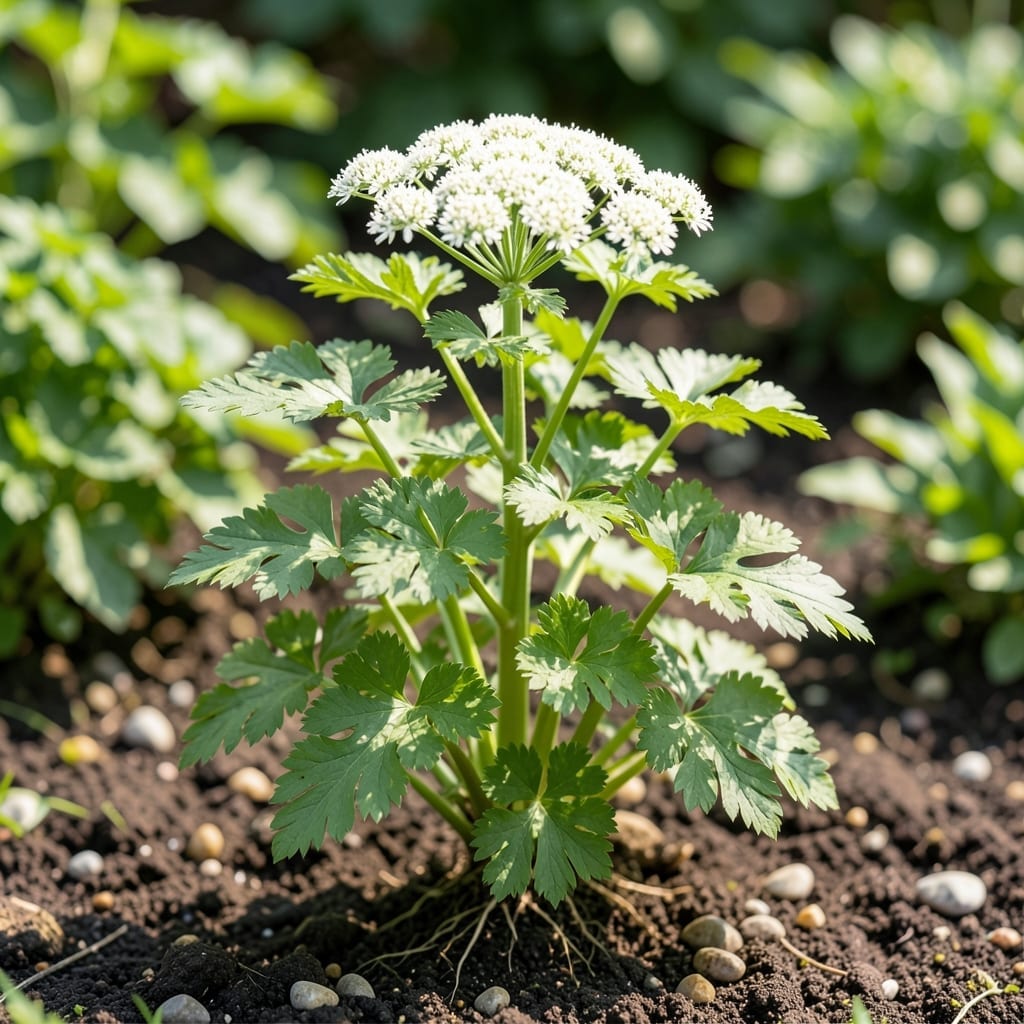
Yes, coriander leaves and cilantro refer to the same plant. In the US, the fresh leaves are called cilantro, while the seeds are called coriander. Other regions use coriander for both.
This naming difference often confuses cooks, especially when following international recipes. 🔥 The plant’s scientific name, Coriandrum sativum, produces both the leafy herb and the spice. I’ve noticed that British recipes might call for coriander leaves, while Americans would look for cilantro in the grocery store.
What’s fascinating is how the same plant serves dual culinary purposes. The leaves add a bright, citrusy note to dishes, while the seeds offer a warm, nutty flavor when toasted. This versatility makes it a staple in kitchens worldwide. ✨
💡 In This Article
Coriandrum sativum is the single plant species that produces both the leaves and seeds we use in cooking. The confusion stems from regional naming conventions: Americans call the fresh leaves cilantro, while the dried seeds are labeled coriander. This division doesn’t exist in British English, where both parts are called coriander. 🔥
The plant’s life cycle explains this duality. It first grows lacy, flat leaves that we harvest as cilantro. If allowed to mature, it produces small white flowers that develop into round, tan seeds—what we know as coriander.
The leaves contain aldehyde compounds that give that bright, citrusy flavor, while the seeds develop linalool and pinene as they dry, creating their warm, nutty aroma.
Genetically, they’re identical, but their flavor profiles differ dramatically due to development stage. The leaves are most potent when young, while seeds reach peak flavor after drying. This is why you’d never substitute one for the other in recipes—fresh cilantro in a curry paste would taste completely different from ground coriander. ✨
Climate affects the plant’s growth pattern too. In hotter regions, it bolts (goes to seed) quickly, producing seeds within 6-8 weeks. Cooler climates allow for a longer leaf production phase. This explains why some gardeners struggle to get a good leaf harvest—they’re unknowingly growing it in conditions that favor seed production. 💫
What’s particularly interesting is how the same genetic material can express such different culinary uses. The leaves contain about 0.1-1.0% essential oils, while the seeds contain 0.2-1.4%, with completely different chemical compositions. This is why the leaves taste fresh and green, while the seeds offer earthy depth to spice blends.
In the US, cilantro specifically refers to the fresh leaves to avoid confusion. The Spanish word “cilantro” was adopted from Mexican cuisine, while coriander remained for the seeds. This distinction doesn’t exist in British English.
No, their flavors differ completely. Fresh leaves have a bright, citrusy taste, while seeds offer a warm, nutty aroma. Using 1 tablespoon ground coriander won’t replace 1/4 cup fresh cilantro in salsa, for example.
Look for fresh bunches labeled cilantro (leaves) or small jars labeled coriander (seeds). The leaves are flat and lacy, while the seeds are tiny, round, and tan. Some stores may label both as coriander in international sections.
No, they’re parts of the same Coriandrum sativum plant. The leaves grow first, then the plant flowers and produces seeds. It’s like how a tomato plant gives both fruit and seeds—same source, different uses.