
Beautiful Plants For Your Interior
Beautiful Plants For Your Interior
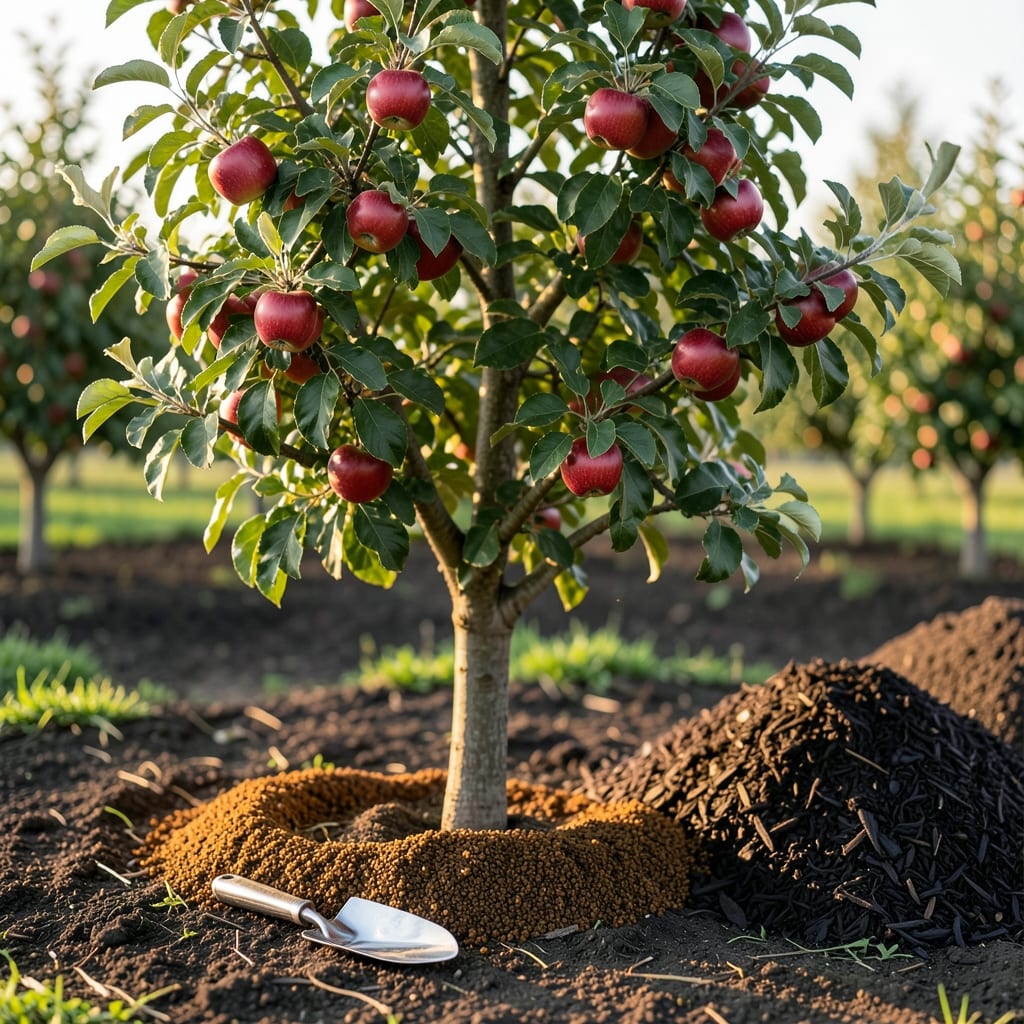
Yes, coffee grounds can benefit fruit trees by adding nitrogen, improving soil structure, and attracting earthworms. Use them sparingly and composted to avoid over-acidifying the soil.
I’ve seen firsthand how they act as a slow-release fertilizer, particularly for acid-loving varieties like citrus and berries. 🔥 The key lies in their ability to break down gradually, enriching the earth without overwhelming it. Just remember, fresh grounds are more acidic, so aging them for a few weeks helps balance their impact on the soil.
💡 In This Article
Coffee grounds introduce nitrogen through a slow decomposition process, with used grounds containing about 2% nitrogen by volume. This organic nitrogen transforms into ammonium and nitrates, which fruit tree roots absorb over 4-6 weeks. Unlike synthetic fertilizers, this gradual release prevents nutrient burn while steadily feeding the tree. 🔥
The organic matter in grounds improves soil structure by increasing porosity. This allows water and air to penetrate deeper, reaching roots more effectively. A 1/2-inch layer worked into the top 2-3 inches of soil can boost water retention by up to 20% in sandy soils. ✨
Microbes thrive on coffee grounds’ carbon and nitrogen content. Earthworms are particularly drawn to the decomposing material, with studies showing a 30-50% increase in worm populations when grounds are regularly added. Their movement aerates the soil, further enhancing root growth. 🌟
While fresh grounds are acidic (pH 6.2-6.8), they become neutral as they break down. This makes them safe for most fruit trees, including apples and peaches, which prefer slightly acidic to neutral soil. The exception is blueberries, which benefit from the initial acidity. ⚡
Grounds also contain trace minerals like calcium, potassium, and magnesium. These micronutrients become available as the organic matter decomposes, creating a balanced nutrient profile that supports overall tree health and fruit production. 💫
Apply coffee grounds every 2-3 weeks during the growing season. For liquid fertilizer, use 1 cup per 1 gallon of water. As mulch, a thin layer works best to prevent clumping.
Fresh grounds are highly acidic (pH 6.2-6.8). For acid-loving trees like blueberries, it’s fine. For others, let them age for 2-3 weeks first to neutralize.
Yellowing leaves or stunted growth indicate excess nitrogen or acidity. If this happens, reduce applications and water deeply to flush the soil.
No, they actually deter some pests like slugs and ants. However, they may attract earthworms, which are beneficial for soil aeration and nutrient cycling.