
Beautiful Plants For Your Interior
Beautiful Plants For Your Interior
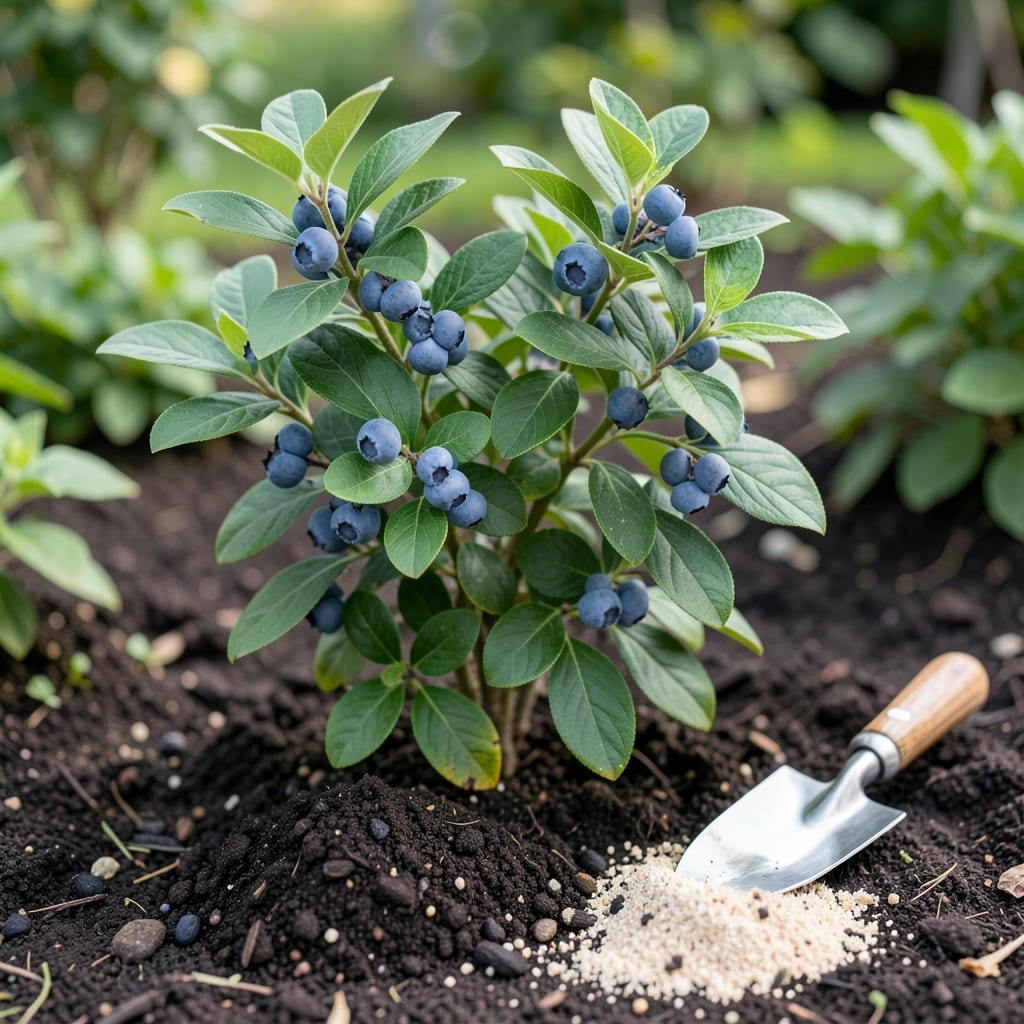
Fresh coffee grounds are slightly acidic with a pH around 6.2 to 6.8, while used grounds tend to be closer to neutral. However, their acidity diminishes as they decompose in soil.
I’ve found that the brewing process strips away some of the acids, which is why used grounds are less acidic. 🔥 For gardeners, this means fresh grounds can give soil a mild acid boost, but they won’t maintain that level for long. It’s a temporary solution that works well for acid-loving plants like azaleas or blueberries.
💡 In This Article
The acidity in coffee comes from organic acids like chlorogenic, citric, and malic acid. Fresh grounds contain higher concentrations of these compounds, giving them a pH of 6.2-6.8. This is slightly more acidic than pure water at 7.0. 🔥
Brewing extracts about 30-50% of these acids into your cup. The remaining grounds lose much of their acidic punch, pushing their pH closer to 6.5-7.0. Darker roasts tend to be slightly less acidic than light roasts due to longer exposure to heat breaking down acids.
As grounds decompose in soil, microbes break down the remaining acids. Within 2-4 weeks, most grounds reach near-neutral pH. This rapid change makes them a short-term soil amendment rather than a permanent acidifier. ✨
Temperature also plays a role in acidity. Hot water (195-205°F) used in brewing pulls out more acids than cold brew methods. This explains why cold brew coffee tastes smoother and why its used grounds retain slightly more acidity than hot-brewed ones.
The particle size matters too. Finely ground coffee has more surface area, releasing acids faster during both brewing and decomposition. Coarse grounds maintain their original pH longer in both your coffee maker and your garden. ⚡
Yes! Fresh grounds have a pH of 6.2-6.8, while used ones are closer to 6.5-7.0. Brewing removes many acids, so used grounds have less impact on soil acidity.
Coffee grounds lose most of their acidity within 2-4 weeks as microbes break them down. This makes them a short-term amendment rather than a permanent solution.
Most acid-lovers like blueberries and azaleas benefit, but always test soil first. Apply a 1/2-inch layer mixed with compost for best results.
Longer roasting times break down more acids. Dark roasts often test slightly higher on the pH scale than light roasts.
Yes! Cold water extracts fewer acids, so cold brew grounds retain slightly more acidity than hot-brewed ones.