
Beautiful Plants For Your Interior
Beautiful Plants For Your Interior
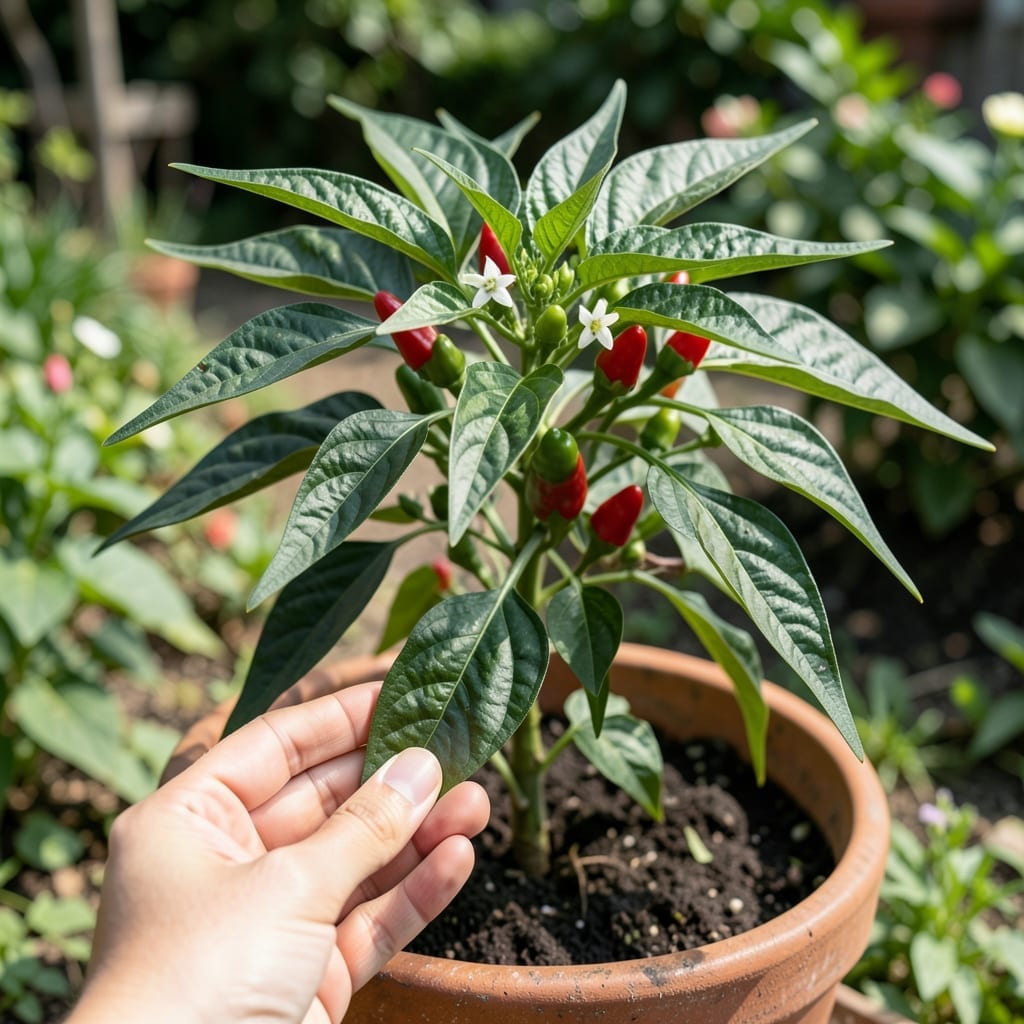
Yes, chili leaves are edible and commonly used in cooking, especially in Asian cuisines. They have a mild, slightly peppery flavor but should be consumed in moderation as excessive amounts may cause stomach irritation.
I’ve used them fresh in salads or as a finishing herb, where their subtle heat enhances dishes without overpowering. 🔥 The leaves contain lower capsaicin than the peppers themselves, which is why their flavor is gentler. Still, I always recommend starting with small quantities to test your tolerance.
💡 In This Article
Chili leaves belong to the Capsicum genus, sharing the same family as the peppers. While the fruits contain high capsaicin levels (responsible for heat), the leaves have only trace amounts, typically 0.01-0.1% by dry weight. This makes them safe for consumption with minimal spiciness, unlike the peppers which can reach 0.1-1% capsaicin.
Traditional uses span cultures: in Thai cuisine, they’re called bai prik and added to soups and curries for a mild, herbal note. Filipino cooks use them in tinola, a ginger-based soup. Mexican traditions sometimes incorporate them in salsas verdes for depth without intense heat. ✨
The leaves contain vitamins A and C, plus antioxidants like flavonoids. Their gentle peppery taste comes from volatile compounds like linalool and limonene, which are also present in basil and mint. This explains their aromatic quality when fresh.
However, the compound solanine (found in nightshade plants) exists in very small quantities in chili leaves. While not harmful in normal culinary amounts, excessive intake—think cups daily—could theoretically cause mild digestive upset. This is why moderation is key. 💫
Botanically, the leaves are closest in profile to other edible nightshades like tomato or eggplant leaves, though the latter are rarely consumed due to higher solanine. Chili leaves, by contrast, have been selectively cultivated for lower toxicity over centuries of agricultural use.
They have a mild, slightly peppery flavor with minimal heat. Chili leaves contain only 0.01-0.1% capsaicin, far less than the peppers themselves, so they add subtle warmth without the intense spiciness.
Add them whole to soups like Thai tom yum or Filipino sinigang, or chop finely for stir-fries and salads. They work great as a garnish or fried crispy for a unique topping.
Yes, fresh chili leaves are safe to eat raw but start with small amounts. Their mild flavor works well in salads or as a garnish. Always wash them thoroughly first to remove dirt or pesticides.
Keep them in the fridge wrapped in a damp paper towel inside a sealed container for up to 5 days. For longer storage, blanch for 30 seconds and freeze in an airtight bag for up to 3 months.