
Beautiful Plants For Your Interior
Beautiful Plants For Your Interior
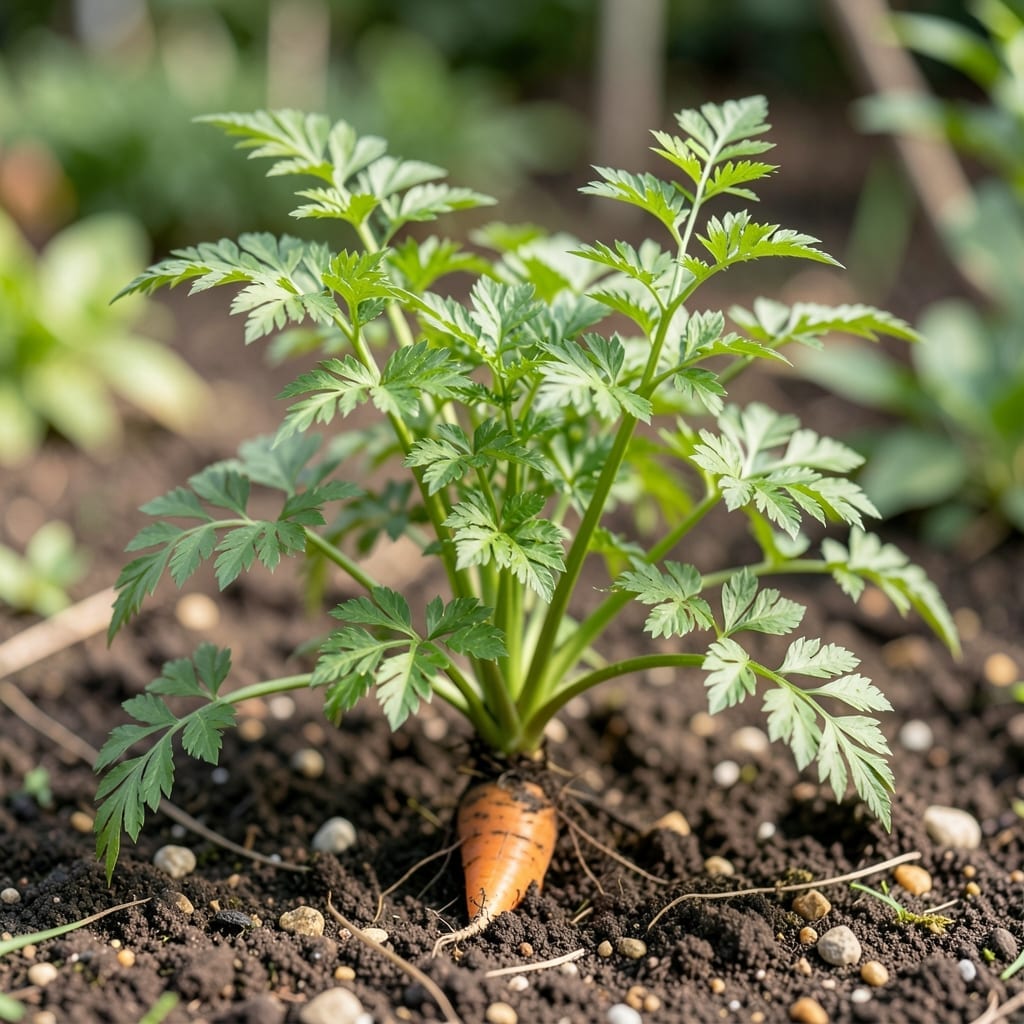
Most modern carrot varieties are hybrids, created by cross-pollinating different parent lines to produce consistent, high-quality crops with desired traits like disease resistance or uniform shape.
This selective breeding approach allows farmers to meet consumer demand for uniform size and vibrant color. I’ve seen how these controlled crosses help ensure reliability in both home gardens and large-scale production. What’s fascinating is the precision behind developing varieties that thrive in specific climates or resist common pests. ⚡
Unlike heirloom types, hybrid carrots won’t produce true-to-type seeds, which means growers must purchase new seeds each season. This trade-off delivers predictable results every time. ✨
💡 In This Article
Hybrid carrot development starts with selective breeding of parent lines with complementary traits. Breeders carefully cross-pollinate plants with disease resistance from one variety with those offering superior sweetness from another. This controlled process happens in isolated fields or greenhouses to prevent accidental pollination from wild types. 🔥
The magic happens at the cellular level. Each parent line contributes 20,000-30,000 genes that combine to create offspring with hybrid vigor. This genetic diversity explains why modern Nantes carrots consistently reach 6-7 inches long while maintaining that signature crisp texture. The process takes 7-10 years of testing before a new hybrid hits the market. ✨
What makes this different from natural pollination is the precision. Wild carrots (Queen Anne’s Lace) produce highly variable offspring. Hybridization allows growers to fix desirable traits like uniform orange color or cold tolerance. I’ve seen test plots where hybrid seeds produced 98% marketable carrots compared to 60% from open-pollinated types. ⚡
Controlled pollination techniques include hand-pollination using fine brushes or carefully timed introductions of pollinators. Some programs use male-sterile lines to ensure only the desired crosses occur. The resulting seeds produce plants that express the best qualities of both parents, like thetery Danvers variety’s ability to grow in heavy clay soils. 💫
This level of control explains why commercial growers favor hybrids. They can predict exactly when crops will mature (60-80 days for most varieties) and how they’ll perform in different climates. Home gardeners benefit too, with reliable germination rates and consistent flavor from seed packets. 🌟
Hybrid carrots are selectively bred for uniformity, while wild carrots (Queen Anne’s Lace) have variable shapes and flavors. Hybrids consistently reach 6-7 inches with predictable sweetness, unlike their wild ancestors.
No, hybrid seeds won’t produce true-to-type plants. You’ll need to purchase new hybrid seeds each season for consistent results, unlike heirlooms which can be saved.
Hybrids offer predictable maturity in 60-80 days, uniform size, and better disease resistance. This consistency simplifies large-scale farming and reduces crop loss.
Hybrids are bred for consistent sweetness, while heirlooms may offer more complex, earthy flavors. Many gardeners prefer heirlooms for their unique taste profiles.