
Beautiful Plants For Your Interior
Beautiful Plants For Your Interior
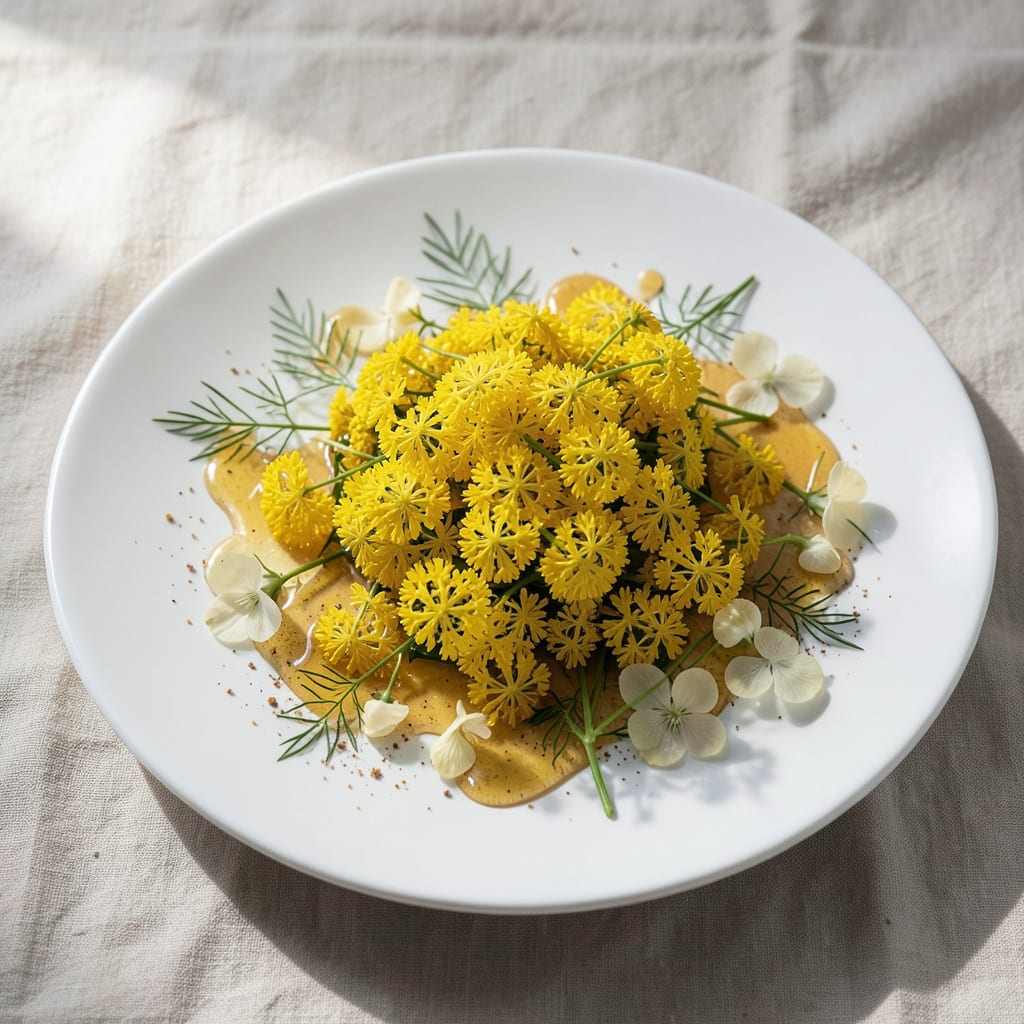
There’s something magical about yellow Queen Anne’s Lace swaying in the breeze. I planted my first patch last spring, and by summer, it was covered in pollinators like a living buffet.
This wildflower thrives in full sun and well-draining soil, asking for little more than a spot to call home. Once established, it spreads effortlessly, rewarding you with delicate blooms that keep bees and butterflies coming back all season long.
📚 In This Guide
This wildflower thrives with minimal effort, and I’ll show you how to coax its delicate blooms to life.
Choose a location with full sun to partial shade, as Queen Anne’s Lace tolerates a range of light conditions but blooms most abundantly in brighter spots. The soil should be well-draining—this plant dislikes soggy roots. I always test drainage by digging a 1-foot-deep hole, filling it with water, and ensuring it empties within 2-3 hours.
Loosen the soil to a depth of 12 inches and remove any weeds or debris. Queen Anne’s Lace isn’t fussy about soil fertility, but it performs best in moderately rich, loose soil. If your soil is heavy clay, amend it with compost to improve texture and drainage.
Sow seeds in early spring or late summer for a wildflower meadow effect. Scatter them lightly over the prepared soil, as they need light to germinate. Press them gently into the soil but do not cover—a light raking to ensure soil contact is sufficient. I’ve found that mixing seeds with a handful of sand helps distribute them evenly.
Keep the soil consistently moist until germination, which typically occurs in 14-21 days. Once seedlings emerge, thin them to 12-18 inches apart to prevent overcrowding. You’ll see the first true leaves, which look fern-like, within a week of sprouting.
Water seedlings deeply once a week, allowing the soil to dry slightly between waterings. Mature plants are drought-tolerant, but consistent moisture during the first season encourages strong root development. I reduce watering once plants are established, as overwatering can lead to root rot.
Apply a 2-3 inch layer of mulch around the base to retain moisture and suppress weeds. Avoid piling mulch against the stems, as this can cause them to rot. Watch for the first signs of flowering—delicate white or pale yellow umbels that gradually deepen in color as they mature.
Queen Anne’s Lace is a pollinator magnet, and deadheading spent blooms encourages prolonged flowering. Cut back the entire plant by one-third after the first flush of blooms fades to promote a second wave. I’ve noticed that this pruning also keeps the plant more compact and tidy.
Leave some seed heads at the end of the season to self-sow and attract birds. The seeds are a favorite of goldfinches and other small birds. You’ll know the seeds are ready when the umbels turn brown and the stems begin to dry.
This wildflower can spread aggressively in ideal conditions, so monitor its growth if you’re planting it in a mixed border. Pull up unwanted seedlings early to prevent overcrowding. I’ve found that a quick pass with a hoe in early spring keeps it in check without harming established plants.
Divide clumps every 2-3 years in early spring or fall to rejuvenate the planting and prevent it from becoming woody. Queen Anne’s Lace is short-lived but self-seeds readily, so you’ll always have new plants to enjoy.
Small details make the difference between a wildflower patch and a thriving pollinator haven.
Soil Preparation Tip: Testing drainage with that 1-foot-deep hole isn’t just a suggestion—it’s your insurance against root rot. I learned this after losing an entire bed to soggy soil. If water doesn’t drain within 2-3 hours, amend with compost or consider raised beds. This plant’s tolerance for poor soil doesn’t extend to wet feet.
Sowing Technique: The instruction to not cover seeds is critical. Queen Anne’s Lace seeds need light to germinate, so pressing them gently into soil with a light raking is perfect. I’ve had best results scattering seeds mixed with sand for even distribution, then misting the area to avoid dislodging them.
Spacing Wisdom: Thinning seedlings to 12-18 inches apart might feel counterintuitive when they’re tiny, but crowded plants produce weak stems and fewer blooms. Wait until you see those fern-like true leaves, then thin ruthlessly. Your future self will thank you when you’re rewarded with sturdy, floriferous plants.
Maintenance Insight: That 2-3 inch layer of mulch does double duty—it retains moisture during the critical first season while suppressing weeds that would compete with your seedlings. Just remember to keep it away from stems. I use shredded bark, but straw works equally well if that’s what you have on hand.
No, while they’re related, yellow Queen Anne’s lace (Daucus carota ‘Dara’) is a cultivated variety with golden-yellow blooms, unlike the wild white form. Both attract pollinators, but the yellow version adds a sunny twist to gardens!
It typically flowers from late spring to early fall (May–September), depending on your climate. Deadheading spent blooms can encourage a longer flowering season.
It thrives in full sun but tolerates partial shade, though blooms may be less abundant. Aim for at least 4–6 hours of sunlight daily for best results.
Tall stems may need staking, especially in windy areas. Ensure good air circulation and avoid over-fertilizing, which can lead to weak growth.
Yes! Poison hemlock resembles Queen Anne’s lace but has smooth stems (vs. hairy) and a musty smell. Never consume wild plants unless 100% identified by an expert.
