
Beautiful Plants For Your Interior
Beautiful Plants For Your Interior
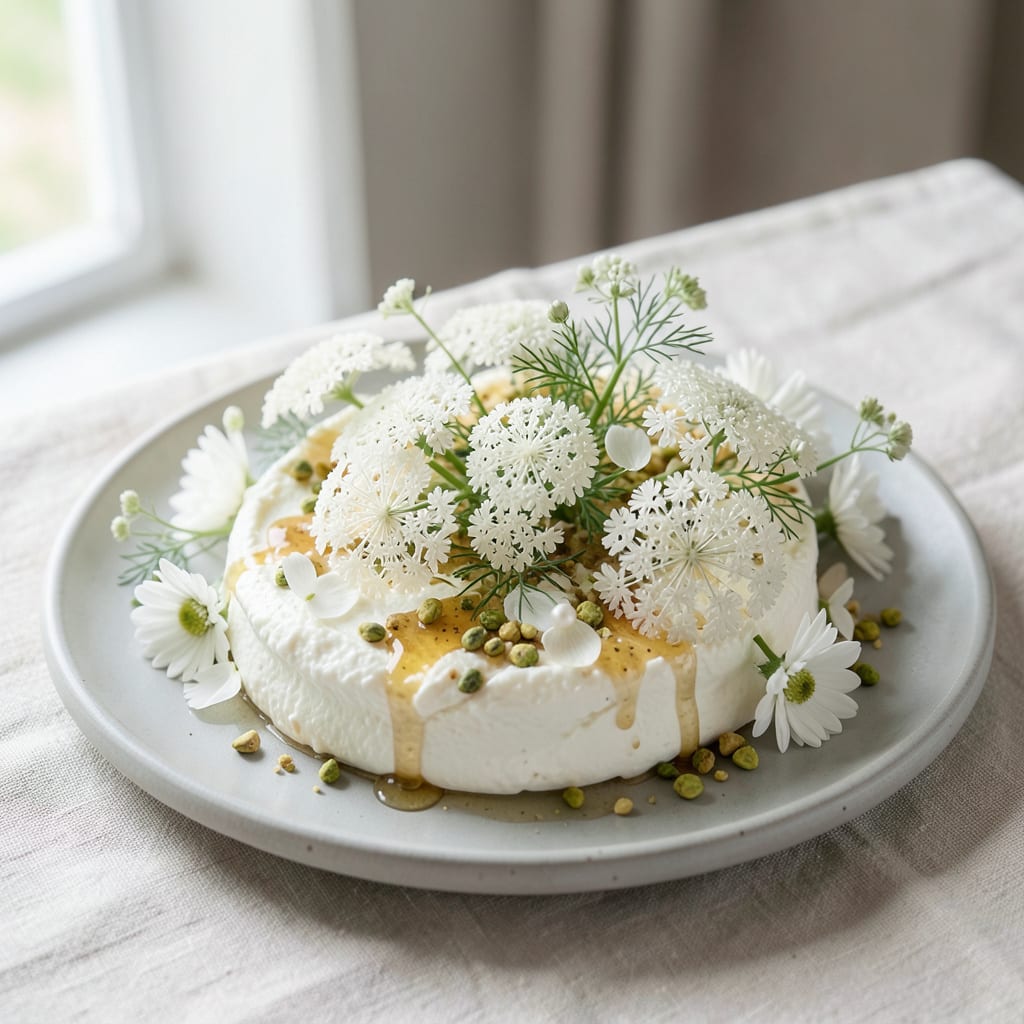
This delicate wildflower brings old-world charm to any garden space. I first planted it along my fence line and watched as it transformed the area with its lacy white blooms and feathery foliage.
It thrives in full sun with well-drained soil and needs minimal care once established. The best part? It attracts pollinators while resisting most common pests, making it a foolproof choice for cottage-style gardens.
📚 In This Guide
Here’s the method I’ve refined to cultivate these delicate wildflowers with consistent success.
Choose a spot with full sun to partial shade, as Queen Anne’s lace thrives in 6+ hours of sunlight daily. The soil should be well-draining but tolerates poor conditions, which makes this wildflower remarkably adaptable. I always avoid low-lying areas where water pools after rain.
Test your soil by digging a 1-foot deep hole and filling it with water. If it drains within 2-3 hours, you’ve found a perfect location. The plant’s fern-like foliage will tell you if conditions are right—yellowing leaves often signal too much moisture.
Loosen the top 6-8 inches of soil with a garden fork, breaking up any large clumps. Queen Anne’s lace prefers disturbed soil, which mimics its natural habitat along roadsides and meadows. Scatter seeds lightly over the prepared area—don’t bury them, as they need light to germinate.
Press the seeds gently into the soil with your palm to ensure good contact. I’ve found that a light dusting of soil over the top helps prevent birds from eating the seeds while still allowing light penetration. Water gently with a fine mist to avoid washing seeds away.
Keep the soil consistently moist but not waterlogged during the 14-21 day germination period. The seeds are tiny, so maintain even moisture by watering with a gentle spray rather than a heavy stream. You’ll see the first signs of life as delicate, fern-like leaves emerging.
Once seedlings appear, reduce watering frequency but increase the amount slightly to encourage deep root growth. Watch for wilting in hot weather—this is your cue to water. The plants become drought-tolerant once established, but young seedlings need careful attention.
When seedlings reach 2-3 inches tall, thin them to 12-18 inches apart to prevent overcrowding. I pull the weaker seedlings, leaving the strongest to mature. Queen Anne’s lace self-seeds prolifically, so you’ll likely have more plants than you need.
Resist the urge to fertilize—this wildflower thrives in low-fertility soil. Over-fertilizing results in excessive foliage with fewer flowers. The plants will grow 3-4 feet tall with characteristic flat-topped white flower clusters that attract pollinators throughout summer.
Deadhead spent blooms if you want to control spreading, though I often leave them to self-seed for next year’s display. The flower heads turn into beautiful, papery seed heads that add winter interest. Cut stems back to the ground in late fall or early spring to tidy the garden.
Watch for powdery mildew in humid conditions—ensure good air circulation by spacing plants properly. The delicate white flowers contrast beautifully with other cottage garden plants, and the intricate flower heads make excellent cut flowers for arrangements.
These insights will help you avoid pitfalls and nurture thriving plants with minimal effort.
Soil Drainage Test: The 2-3 hour drainage test in Step 1 is non-negotiable. If water lingers longer, amend with compost or choose a raised bed. I learned this the hard way after losing an entire planting to root rot in a low spot that stayed soggy. Yellowing leaves are your first warning sign of poor drainage.
Seed Sowing Technique: In Step 2, pressing seeds gently into the soil without burying them is crucial. These tiny seeds need light to germinate, so resist the urge to cover them deeply. A light dusting of soil—just enough to deter birds—is all they need. I use the flat side of a garden trowel to press them in evenly.
Germination Moisture Balance: During the 14-21 day germination period in Step 3, consistent moisture is key but overwatering is deadly. Use a spray bottle on mist setting to avoid displacing seeds, and water in the morning so foliage dries before evening. The soil should feel like a wrung-out sponge—not muddy, not dry.
Thinning Strategy: When seedlings reach 2-3 inches tall in Step 4, thin ruthlessly to 12-18 inches apart. It feels counterintuitive to pull healthy seedlings, but overcrowding leads to weak stems and fewer blooms. I use small scissors to snip unwanted seedlings at soil level rather than pulling to avoid disturbing roots.
Yes! White Queen Anne’s lace (Daucus carota) is the wild ancestor of garden carrots. While edible, caution is advised—it resembles poisonous look-alikes like poison hemlock. Always confirm identification before consuming.
This wildflower typically blooms from late spring to early fall (May–September), depending on the climate. Its delicate white umbels attract pollinators like bees and butterflies during this time.
Scatter seeds in well-drained soil with full sun to partial shade. It thrives in poor soil and self-seeds easily, making it low-maintenance. Thin seedlings to 12 inches apart for best results.
Try ammi (Ammi majus) or bishop’s lace (Ammi visnaga) for lacy, white blooms. These are non-invasive and equally charming in cottage gardens.
Flopping often happens in rich soil or shade. Stake tall stems or plant in leaner soil for sturdier growth. Overwatering can also weaken stems—water moderately.
