
Beautiful Plants For Your Interior
Beautiful Plants For Your Interior
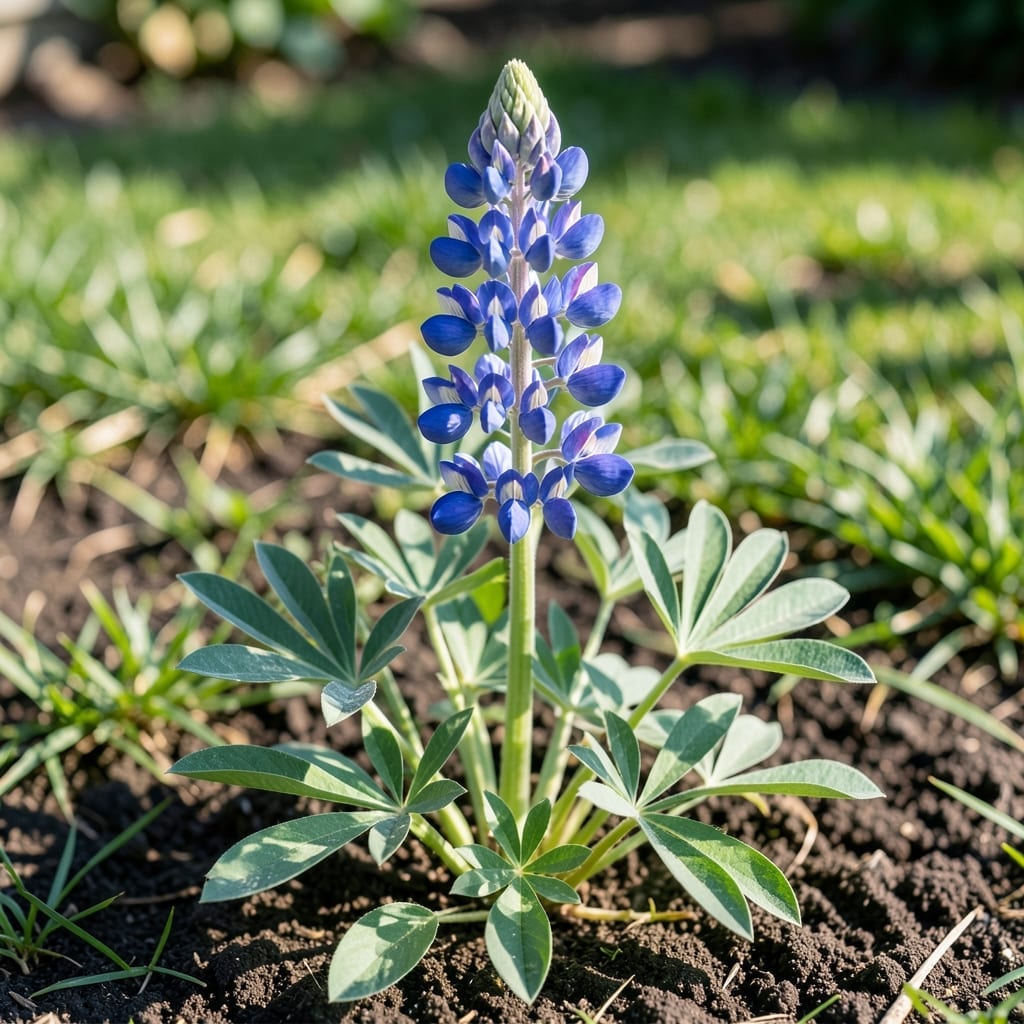
Bluebonnets typically bloom from March to May in Texas, so they are not naturally available in November. However, some nurseries may offer potted plants or seeds for off-season cultivation.
I’ve learned that Texas bluebonnets follow a strict spring blooming cycle due to their need for cooler temperatures and specific daylight hours to break dormancy. This natural rhythm means they won’t appear in November’s warmer climate without intervention. 🔥
For those determined to enjoy them off-season, controlled environments like greenhouses or careful indoor cultivation can sometimes coax blooms outside their usual window.
💡 In This Article
Texas bluebonnets are hardwired for spring. Their seeds require a cold stratification period of 8-10 weeks at temperatures between 40-50°F to break dormancy. This winter chill signals the seeds that spring is coming, triggering germination as soil temperatures rise to 60-65°F in early March. 🔥
The plants then grow rapidly, taking advantage of Texas’ mild spring weather before the intense summer heat arrives. Blooming occurs when daylight reaches 12-14 hours, typically from late March through May. This photoperiod sensitivity is a survival mechanism—it ensures seeds have time to develop and scatter before drought conditions set in.
November’s conditions work against this natural cycle. With average temperatures in Texas ranging from 55-75°F and only 10-11 hours of daylight, the environmental cues simply don’t match bluebonnets’ biological requirements. The soil remains too warm for proper stratification, and the short days prevent the blooming trigger. ✨
Even in mild winters, bluebonnets won’t bloom in fall because their growth regulators are tuned to spring’s specific conditions. The plants enter a summer dormancy period, conserving energy until the next appropriate growing season. This evolutionary adaptation ensures they thrive in Texas’ challenging climate. 💫
What’s fascinating is how precisely attuned they are to their native environment. In North Texas, they might start blooming slightly earlier than in South Texas due to cooler temperatures, but the window remains consistently spring-focused. This tight synchronization with seasonal patterns is why you’ll never find them naturally blooming in November.
Bluebonnets require 8-10 weeks of cold stratification at 40-50°F to break dormancy. November’s warmer soil and shorter daylight hours don’t trigger their spring-blooming cycle.
Yes, with artificial stratification and controlled conditions. Refrigerate seeds for 8-10 weeks at 40-50°F, then provide 12-14 hours of light daily under grow lights.
Some specialty nurseries offer pre-treated potted plants. These are grown in controlled environments to bloom out of season, but availability is limited.
Forced blooms may be smaller or less vibrant than spring flowers. The plants are adapted to spring conditions, so off-season growth often produces fewer flowers.