
Beautiful Plants For Your Interior
Beautiful Plants For Your Interior
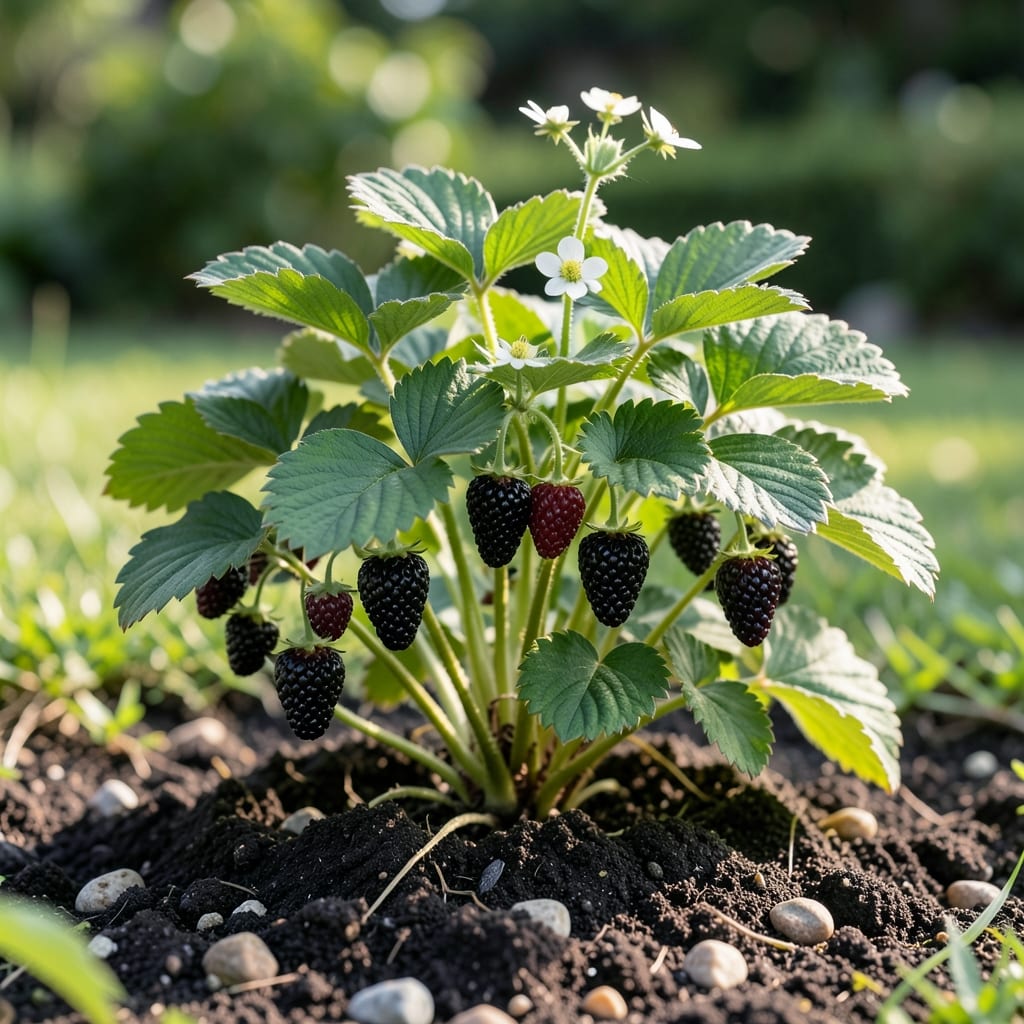
Black strawberries are real but extremely rare, typically caused by genetic mutations or specific hybrid varieties like the ‘Black Pearl’ cultivar, which produce dark purple-black fruit.
I’ve seen these mysterious berries firsthand, and their deep color comes from high concentrations of anthocyanins, the same pigments in blueberries. What makes them special is their unique sweet-tart flavor, often more intense than traditional red varieties. Growers usually cultivate them in controlled environments to maximize their rare characteristics. ✨
💡 In This Article
The deep purple-black hue comes from concentrated anthocyanins, pigments also found in blueberries and black raspberries. These compounds develop as a response to environmental stressors like UV light or as a genetic trait in specific cultivars.
The ‘Black Pearl’ variety, for example, was selectively bred to enhance these pigments, resulting in its signature dark color and rich, complex flavor. 🌟
Anthocyanin production increases when strawberries receive 6-8 hours of direct sunlight daily. The pigments act as natural sunscreen, protecting the fruit from UV damage. This explains why black strawberries grown in higher altitudes or regions with intense sunlight often exhibit deeper coloration.
The process is similar to how red wine grapes develop their dark skins in sun-drenched vineyards.
Genetic mutations can also trigger this coloration. Some wild strawberry species naturally produce darker fruit due to recessive genes. When these genes are inherited by cultivated varieties, they create rare black strawberries. Breeders have capitalized on this by cross-pollinating different strawberry species to stabilize the trait in commercial varieties. ⚡
Soil pH plays a role too. Slightly acidic soil (5.5-6.5 pH) enhances anthocyanin production, while alkaline conditions can mute the color. This is why growers often amend their soil with organic matter like peat moss to achieve the ideal balance.
The result is fruit with not just darker skin, but also deeper flavor compounds that make black strawberries taste more intense than their red counterparts.
Temperature fluctuations during the growing season further intensify the color. Cooler nights (50-60°F) combined with warm days encourage maximum anthocyanin development. This is why black strawberry varieties often produce their most vibrant fruit during spring and fall harvests, when temperature swings are most pronounced. 💫
High levels of anthocyanins create the dark pigment. These natural compounds develop in response to UV light, genetic traits, or specific growing conditions. Varieties like ‘Black Pearl’ are bred to enhance this coloration.
Yes, they’re completely safe and offer the same nutritional benefits as red ones. The dark color comes from natural pigments, not artificial additives. Their flavor is often sweeter and more complex.
Start with ‘Black Pearl’ or ‘Black Prince’ plants from specialty nurseries. Ensure 6-8 hours of sunlight and slightly acidic soil (pH 5.5-6.5). Expect fruit in 12-18 months.
They result from specific genetic mutations or careful hybridization, which aren’t common in nature. Their unique growing requirements and limited commercial cultivation make them hard to find.