
Beautiful Plants For Your Interior
Beautiful Plants For Your Interior
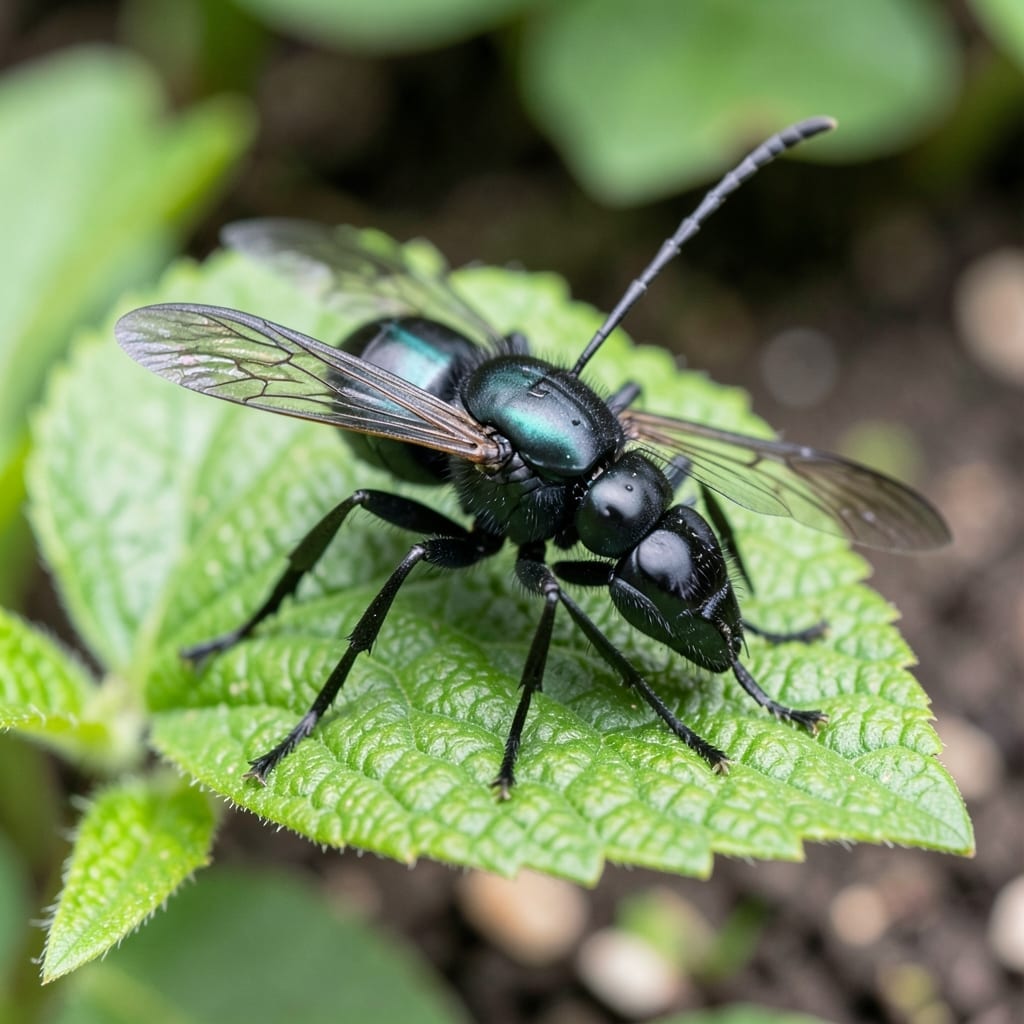
Black jacket wasps are generally not aggressive but can sting repeatedly if provoked. Their venom is painful but rarely dangerous unless you have an allergy.
I’ve learned these insects tend to be more defensive than offensive, often attacking only when they feel their nest is under threat. Their ability to sting multiple times sets them apart from honeybees. 🔥 Most healthy adults experience temporary pain and swelling, but those with allergic reactions should seek immediate medical attention.
💡 In This Article
These insects exhibit a unique defensive mechanism tied to their colonial nature. Unlike bees, they can sting multiple times because their stingers lack barbs. The venom contains acetylcholine, which triggers immediate pain, and histamine, which causes the redness and swelling you’ll notice within 5-15 minutes of a sting. 🔥
What triggers their aggression? Primarily nest disturbance. Black jacket wasps build papery nests in sheltered areas like tree branches, eaves, or even dense shrubbery. When they perceive vibration or direct contact with their nest, they release pheromones that signal other wasps to attack. This swarm response is their primary defense strategy.
The potency of their venom ranks between 1.0-2.0 mg per sting on the Schmidt Sting Pain Index, comparable to a honeybee but with a sharper, more electric sensation. Healthy adults typically experience localized pain that subsides within 24-48 hours, though the area may remain tender for days. ✨
Their nesting habits significantly influence human encounters. In urban areas, they often choose attics, wall voids, or abandoned burrows. A single nest can house 1,000-5,000 workers at peak population, making accidental disturbances particularly risky. The wasps become most defensive in late summer when colony populations peak.
Interestingly, their aggression varies by species. The eastern yellowjacket, a common black jacket variant, tends to be more aggressive than paper wasps. This difference comes from their distinct nesting behaviors—yellowjackets build underground or in enclosed spaces, making them more likely to encounter humans unexpectedly. 💫
They become aggressive primarily when their nest is disturbed. Vibrations, direct contact, or even strong scents near their papery nests can provoke a swarm response.
Most healthy adults experience sharp pain that fades within 24-48 hours. The area may stay tender for several days afterward.
Yes, unlike honeybees, their smooth stingers allow multiple stings. This makes them more dangerous when disturbed in groups.
Never attempt it yourself. Contact a pest control professional, especially for nests in walls or attics where colonies can number in the thousands.
They control garden pests like caterpillars and flies. The key is safe coexistence rather than eradication.