
Beautiful Plants For Your Interior
Beautiful Plants For Your Interior
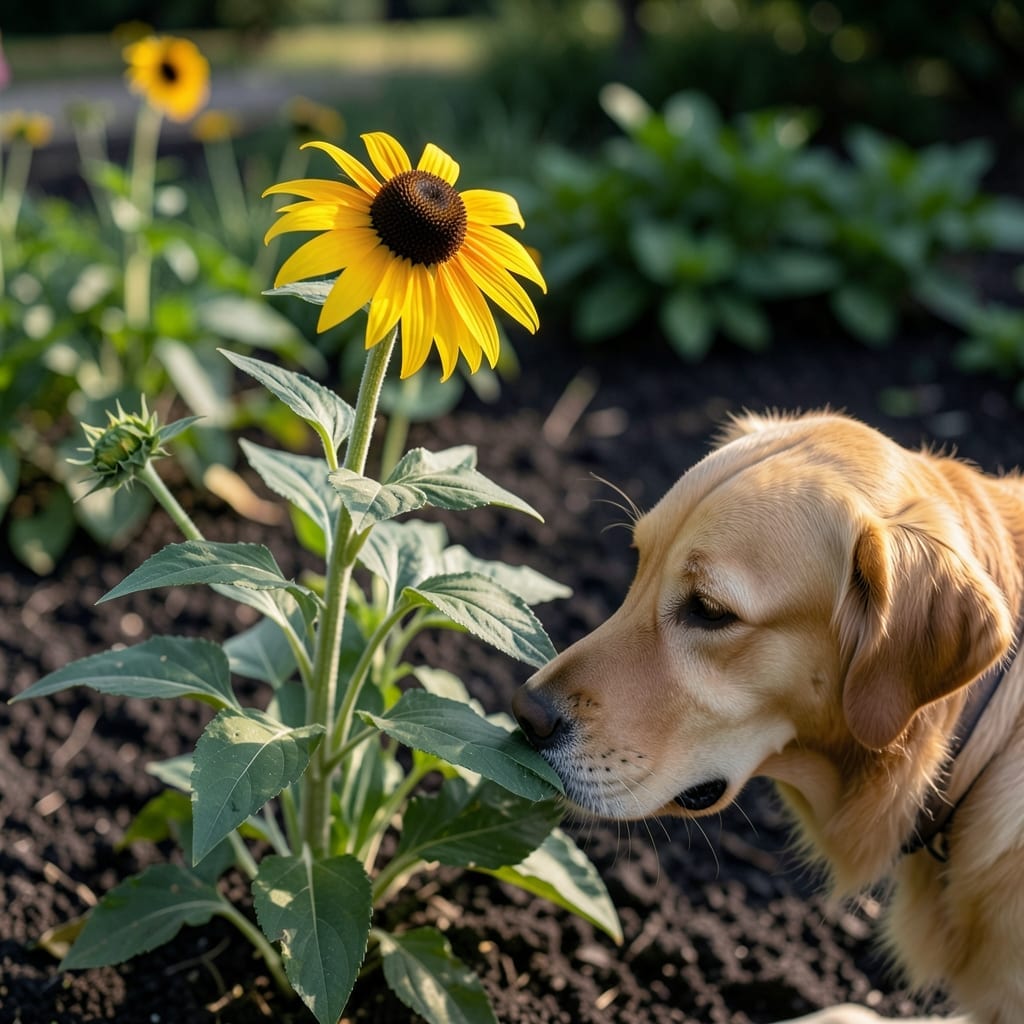
Black Eyed Susans are generally considered non-toxic to dogs, but mild stomach upset may occur if large quantities are ingested. Always monitor pets around garden plants.
I’ve found that most vets classify these flowers as pet-safe, but the key is moderation. Large amounts might cause vomiting or diarrhea due to natural compounds. It’s smart to observe your dog’s behavior around them and teach the “leave it” command. 🌟
For extra safety, create a designated digging area to distract pets from plants entirely.
💡 In This Article
The ASPCA classifies Rudbeckia hirta (Black Eyed Susan) as non-toxic to dogs, cats, and horses. This means the plant lacks known poisonous compounds like alkaloids or cardiac glycosides found in deadly species. Instead, its mild bitterness often deters pets from consuming large amounts naturally. 🌟
Scientifically, the plant contains trace sesquiterpene lactones, which can irritate mucous membranes in high concentrations. However, a 50-pound dog would need to ingest roughly 1-2 cups of fresh plant material to potentially trigger vomiting or diarrhea. Most cases resolve within 12-24 hours without veterinary intervention.
What sets Black Eyed Susans apart from toxic lookalikes like Foxglove or Lily of the Valley is their chemical simplicity. While those contain deadly cardiac toxins, Black Eyed Susans’ worst offense is dietary indiscretion—similar to eating too much grass. The stems and leaves are tougher, making them less appealing than the bright petals.
Veterinary toxicologists note that individual sensitivity varies. Puppies and small breeds under 10 pounds may react to smaller quantities due to their size. Always watch for excessive drooling, lethargy, or loss of appetite, which could indicate an unusual reaction requiring professional attention. ✨
For comparison, common garden dangers like Sago Palm can cause liver failure from a single seed, while Black Eyed Susans pose about as much risk as nibbling on a carrot top. This makes them one of the safer flowering perennials for pet-friendly landscapes.
Stay calm. These flowers are non-toxic, so monitor for mild symptoms like vomiting or diarrhea. Offer water and withhold food for 4-6 hours if upset occurs. Call your vet if symptoms persist beyond 24 hours.
Yes, stems, leaves, and petals are all considered non-toxic. However, the tough stems may be hard to chew, and large amounts of any part might cause mild stomach upset. The bright petals are most likely to attract curious pups.
Use physical barriers like fences or raised beds. Train your dog with positive reinforcement to avoid garden areas. Provide plenty of toys and activities to redirect their attention away from plants.
Yes, some lookalikes are dangerous. Avoid Foxglove and Lily of the Valley, which contain deadly cardiac toxins. Always verify plant identities before adding them to your pet-friendly garden.