
Beautiful Plants For Your Interior
Beautiful Plants For Your Interior
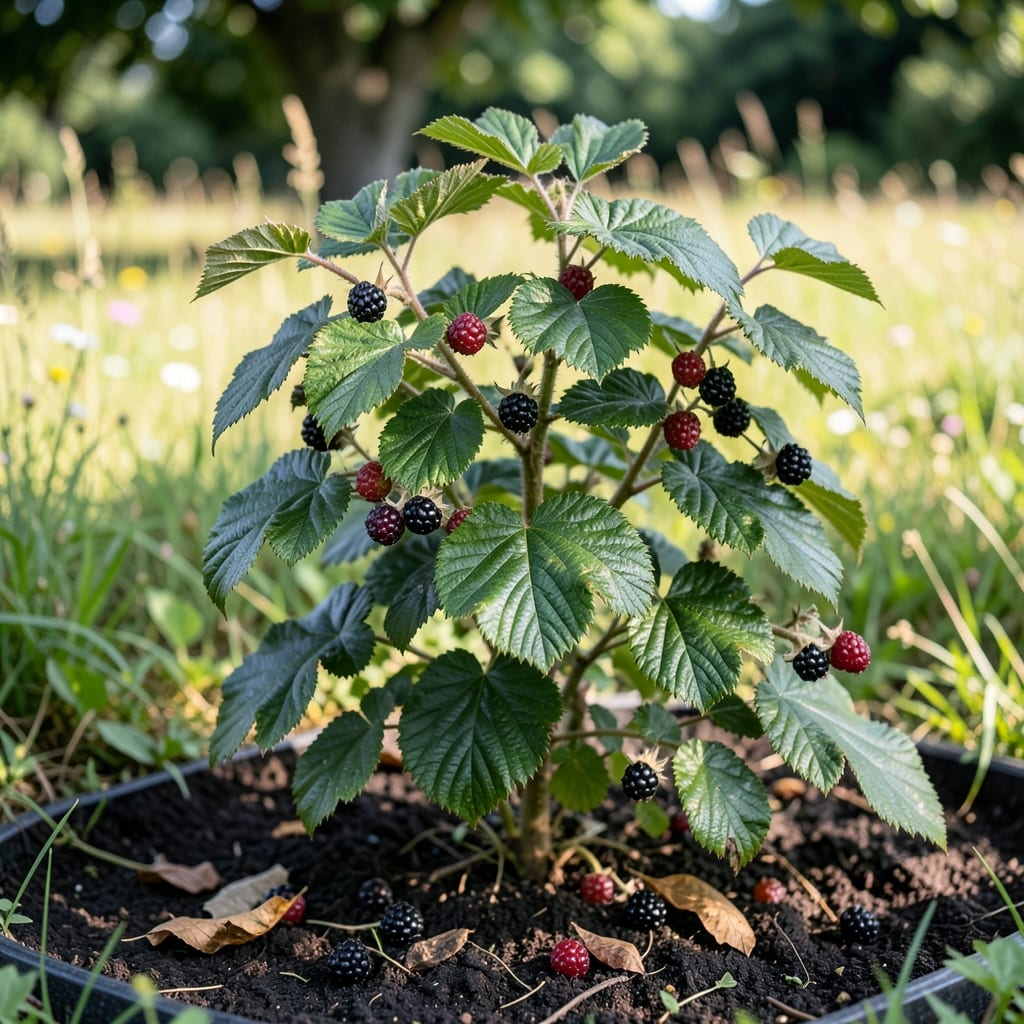
Blackberries have a moderately acidic pH between 3.2 and 4.5, similar to other berries. Their tartness comes from organic acids like citric and malic acid, balancing their natural sweetness.
I’ve noticed that the acidity in blackberries isn’t just random—it’s a carefully balanced trait influenced by their natural composition. These acids play a key role in how the fruit interacts with your digestive system, often aiding in nutrient absorption. 🔥 What’s fascinating is how this acidity also affects their culinary uses, from baking to jams, where the pH level can impact flavor and preservation.
💡 In This Article
The primary acids in blackberries are citric acid and malic acid, which create that bright, tangy flavor. Citric acid dominates at about 1.5-2% of the fruit’s composition, while malic acid contributes a sharper taste at roughly 0.5-1%. These compounds form during fruit development, with their concentrations peaking just before full ripeness. 🔥
As blackberries ripen, their sugar content increases while acid levels gradually decline. A fully ripe blackberry might measure closer to pH 4.0, whereas an underripe one can dip to pH 3.2. This shift explains why slightly tart berries often taste more complex than overly sweet ones.
The balance between sugars and acids creates that characteristic blackberry flavor profile. ✨
Soil conditions dramatically impact acidity levels in cultivated blackberries. Plants grown in more acidic soils (pH 5.5-6.5) tend to produce fruit with higher acid content. This is because the roots absorb more minerals like potassium and phosphorus, which influence the plant’s metabolic production of organic acids. 💫
Environmental factors also play a role. Cooler growing seasons often yield berries with slightly higher acidity, as the slower ripening process allows more time for acid accumulation. Conversely, hot climates can accelerate ripening, sometimes resulting in berries that taste flatter or less tangy. Commercial growers often test berry samples to monitor these variations. ⚡
For home gardeners, this means you can influence your blackberry’s flavor by adjusting growing conditions. Adding sulfur to lower soil pH or using mulch to maintain consistent moisture can help produce fruit with that perfect sweet-tart balance many seek.
The most flavorful blackberries often come from plants that experience moderate stress, which concentrates these desirable compounds. 🌟
Underripe blackberries are more acidic, often measuring around pH 3.2. As they ripen, sugar content rises and acidity drops to about pH 4.0-4.5. This balance creates their signature sweet-tart flavor.
The main acids are citric acid (1.5-2%) and malic acid (0.5-1%). These organic compounds give blackberries their tangy taste and help preserve their color.
Yes! Soil with pH 5.5-6.5 produces berries with balanced acidity. More acidic soils tend to yield fruit with higher acid content, affecting taste.
Cooking slightly reduces acidity as some acids break down. However, the change is minimal—the pH typically stays between 3.5-4.2 after processing.