
Beautiful Plants For Your Interior
Beautiful Plants For Your Interior
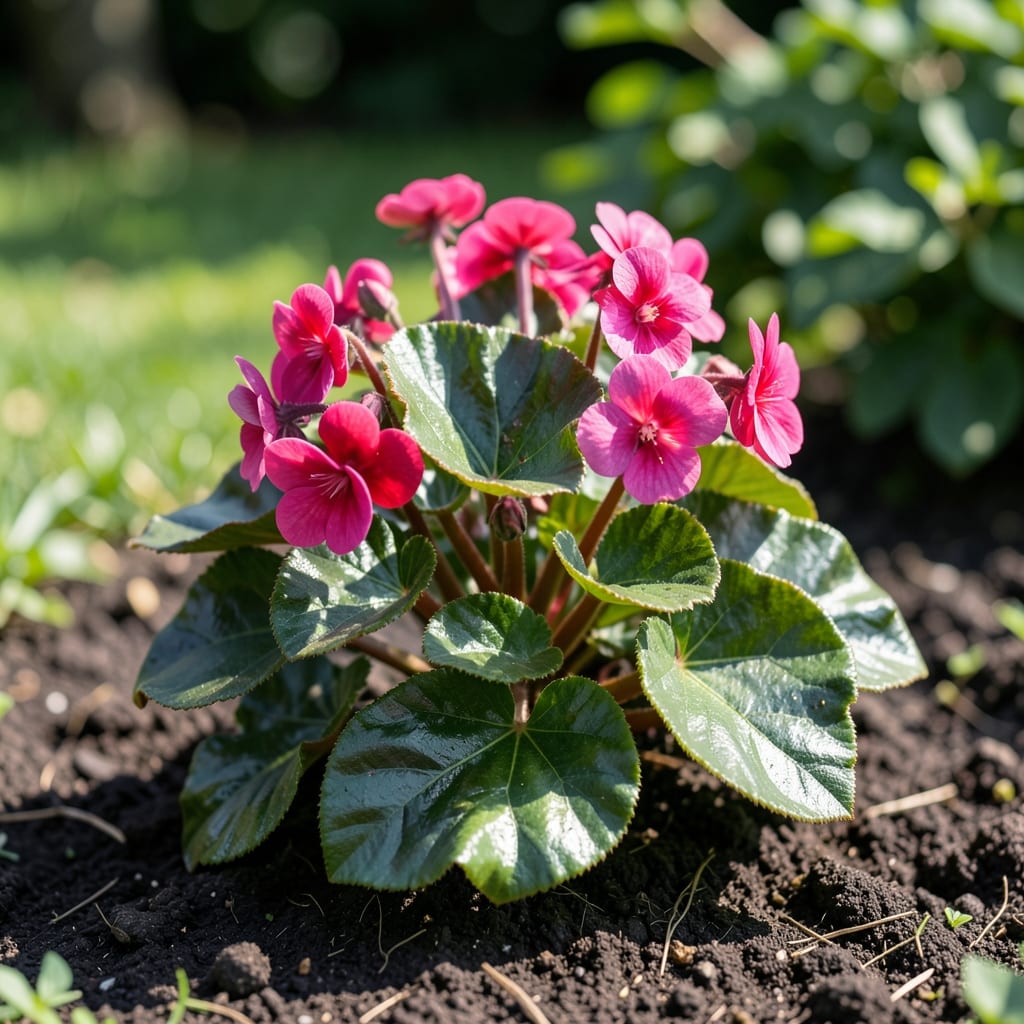
Begonias are perennial in warm climates (USDA zones 10-11) but often grown as annuals elsewhere. They return yearly only if winter temperatures stay above freezing.
I’ve seen these vibrant plants thrive for years in tropical gardens where frost never threatens their tender roots. 🌟 In cooler areas, they’ll succumb to the first hard freeze unless you take protective action. The key lies in their tuberous roots, which can survive dormancy in mild winters but need intervention in harsher conditions.
💡 In This Article
Begonias have a fascinating survival strategy tied to temperature. Their tuberous roots store energy during warm months, allowing them to regrow each spring in frost-free zones. In USDA zones 10-11, where winter lows rarely dip below 40°F, these tubers remain active underground, producing new stems as days lengthen. 🌟
The magic number is 32°F—any sustained freeze kills the plant’s above-ground growth and damages tubers. In zone 9, they may survive mild winters with thick mulch protection. But in zones 8 and below, even a light frost (28-32°F) typically kills the plant unless you intervene.
This temperature sensitivity explains why they’re treated as annuals in most of the U.S.
Dormancy plays a crucial role in their survival. As daylight shortens and temperatures drop below 50°F, tuberous begonias naturally enter dormancy. The foliage dies back, but the tuber conserves energy. In warm climates, this is a temporary rest. In colder areas, it’s a sign to dig up tubers before the first frost. ✨
Fibrous-rooted begonias (like wax begonias) have less cold tolerance than tuberous types. Their shallow roots can’t store as much energy, making them more vulnerable to temperature swings. Even in zone 10, a rare cold snap below 25°F can damage these varieties, while tuberous types often recover from their underground storage organs.
Soil temperature matters as much as air temperature. Begonia tubers need soil warmer than 55°F to break dormancy. In spring, gardeners in cooler zones often start tubers indoors 6-8 weeks before the last frost date to jumpstart growth. This head start compensates for their shorter growing season. 🔥
Only in USDA zones 10-11 will they return yearly without help. In colder areas, they’ll die in frost unless you dig up tubers before winter.
For tuberous types, dig up tubers after frost, dry them, and store at 45-50°F in a dark, airy spot. Fibrous types need cuttings taken and rooted indoors.
Most begonias die at 32°F. Even 28-32°F can kill them in zones 8 and below. Only zone 10-11 offers safe winter survival.
Yes, but cut stems to 2-3 inches and cover with 4-6 inches of straw or leaves. This may protect tubers through mild winters.
No—tuberous types handle cold better than fibrous-rooted varieties. Wax begonias often die at 25°F, while tuberous may recover from their stored energy.