
Beautiful Plants For Your Interior
Beautiful Plants For Your Interior
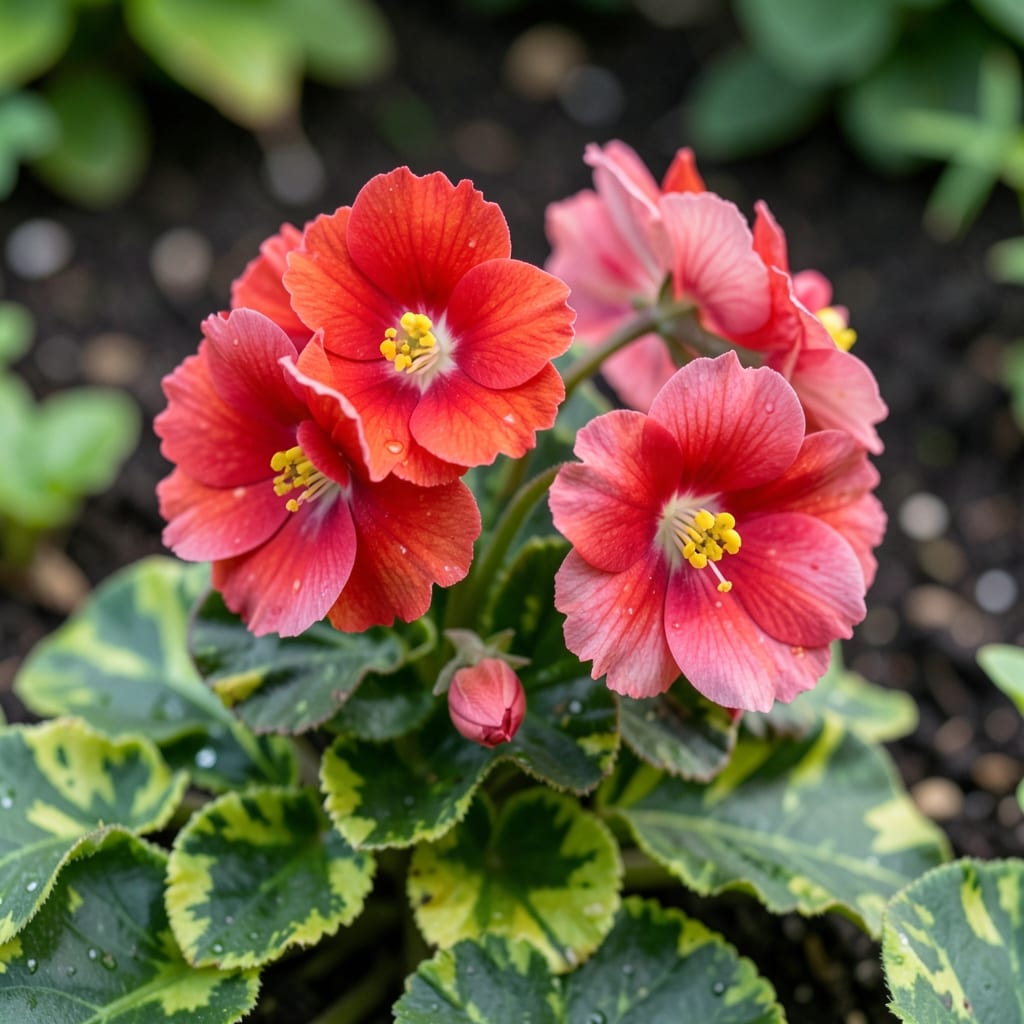
Begonias are generally deer-resistant due to their bitter taste, but rabbits may nibble on them, especially young plants or in food-scarce conditions.
I’ve noticed the oxalic acid in begonias gives them that unappealing flavor deer avoid, yet rabbits seem less bothered by it. Young shoots are particularly vulnerable since they lack the full bitterness mature plants develop. 🌟
In my garden, I use chicken wire cloches for new begonias until they establish that natural deterrent. It’s a simple fix that saves a lot of heartache later.
💡 In This Article
Begonias produce oxalic acid and calcium oxalate crystals, compounds that create an intensely bitter, almost peppery taste deer find unpalatable. These chemicals are concentrated in the leaves and stems, acting as a natural defense mechanism.
Deer, with their sensitive taste buds, typically avoid plants with such strong chemical deterrents, making mature begonias a low-priority food source for them.
The same compounds don’t bother rabbits as much due to their different digestive systems. Rabbits can tolerate higher levels of oxalates, and their feeding habits are more opportunistic. Young begonia shoots contain lower concentrations of these bitter compounds, which is why rabbits often target them.
A hungry rabbit will nibble 1-2 inches of new growth before moving on to tastier options. 🔥
Plant maturity significantly boosts resistance. As begonias grow, they accumulate more oxalates, with concentrations increasing by up to 40% in established plants. This is why you’ll often see deer bypassing older begonia clumps while still sampling other garden plants. The bitterness becomes a more effective deterrent as the plant develops its full chemical arsenal.
Environmental factors play a role too. During drought or food scarcity, rabbits become less selective and may consume more begonia foliage than usual. In my experience, urban rabbits with limited natural food sources are particularly likely to test begonia leaves, while their rural counterparts with abundant options tend to leave them alone. ✨
Interestingly, some begonia varieties show better resistance than others. Tuberous begonias, with their thicker stems and higher oxalate content, are less appealing to rabbits than fibrous-rooted types. The Angel Wing variety, for example, often fares better against rabbit damage due to its tougher foliage and stronger bitter profile.
Deer are deterred by the oxalic acid in begonias, which creates a bitter taste they dislike. Rabbits, however, tolerate these compounds better and may nibble, especially on young plants with lower oxalate levels.
No, tuberous begonias and Angel Wing varieties tend to resist rabbits better due to thicker stems and higher oxalate content. Fibrous-rooted types are more vulnerable to damage.
Use chicken wire cloches extending 6 inches above soil or install a 2-foot-high fence buried 6 inches deep. This blocks access while allowing growth.
Yes, hot pepper wax or predator urine sprays deter rabbits effectively. Reapply every 5-7 days or after rain for consistent protection.
During food scarcity, rabbits become less selective and may consume more begonia foliage than usual, even mature plants.