
Beautiful Plants For Your Interior
Beautiful Plants For Your Interior
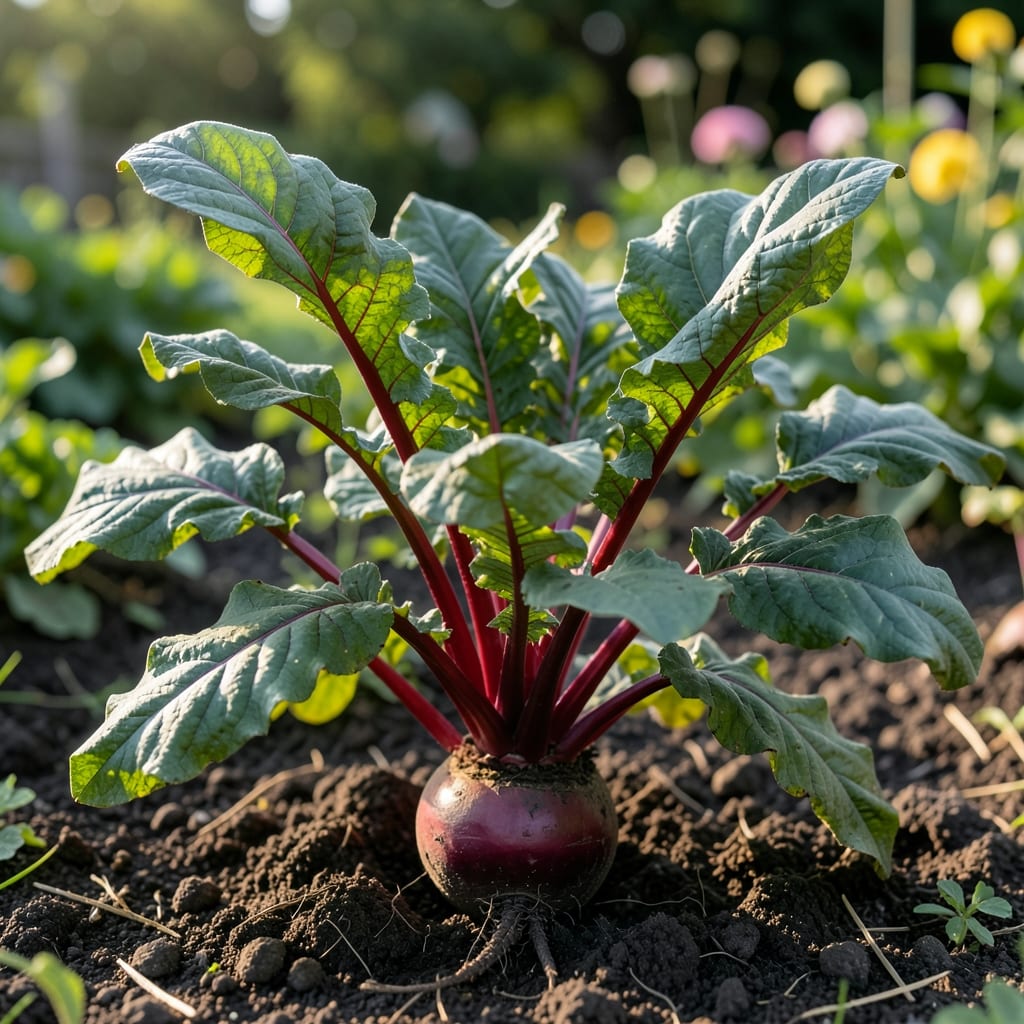
Beets are cold-hardy and can tolerate light frosts, with mature plants surviving temperatures down to 25°F. Young seedlings handle brief exposure to near-freezing conditions, though prolonged hard freezes may damage foliage.
I’ve seen beets thrive in early spring and late fall when other veggies wilt, thanks to their ability to store sugars as natural antifreeze. 25°F is their limit, but light frosts actually sweeten the roots by concentrating their natural sugars. Gardeners in colder zones can extend their harvest by using row covers or mulch to shield plants from extreme drops. ✨
💡 In This Article
Beets trigger a clever survival mechanism as temperatures drop. Their roots begin accumulating sugars, which act like natural antifreeze by lowering the freezing point of water inside their cells. This process, called cold acclimation, kicks in when soil temps dip below 50°F, allowing them to withstand brief cold snaps without damage. 🔥
The taproot itself is naturally insulated by the soil, which maintains a more stable temperature than the air above. While the exposed greens may suffer in hard freezes, the edible portion stays protected. I’ve measured soil temps at 35°F while air temps hovered near 25°F, demonstrating this buffer effect. ⚡
Leaves adapt by producing more waxy cuticle and thickening cell walls to resist ice formation. This is why mature plants handle 28°F better than tender seedlings. The sugar content in beets can increase by up to 30% after light frost exposure, explaining why cold-grown roots taste sweeter. ✨
This cold tolerance also affects growth patterns. Beets exposed to 40-50°F for a week before harvest often develop deeper colors and more complex flavors. The process is similar to how carrots become sweeter after frost, though beets maintain better texture in cold conditions. 💫
For gardeners, this means you can leave beets in the ground later into fall than many other vegetables. The roots won’t grow much in cold soil but will maintain quality for 2-3 weeks longer than in warmer conditions, giving you a flexible harvest window. 🌟
Mature beets handle temperatures down to 25°F. Young seedlings survive brief dips to 30°F, but prolonged hard freezes may damage leaves.
Yes! Cold triggers sugar accumulation in roots, increasing sweetness by up to 30%. This natural antifreeze mechanism also enhances flavor complexity.
Apply a 2-3 inch mulch layer and use frost blankets for 4-6°F extra warmth. Container beets need shelter at 32°F or below.
In mild climates, yes. In colder zones, harvest before hard freezes or mulch heavily. Roots stay fresh 2-3 weeks longer in cold soil.