
Beautiful Plants For Your Interior
Beautiful Plants For Your Interior
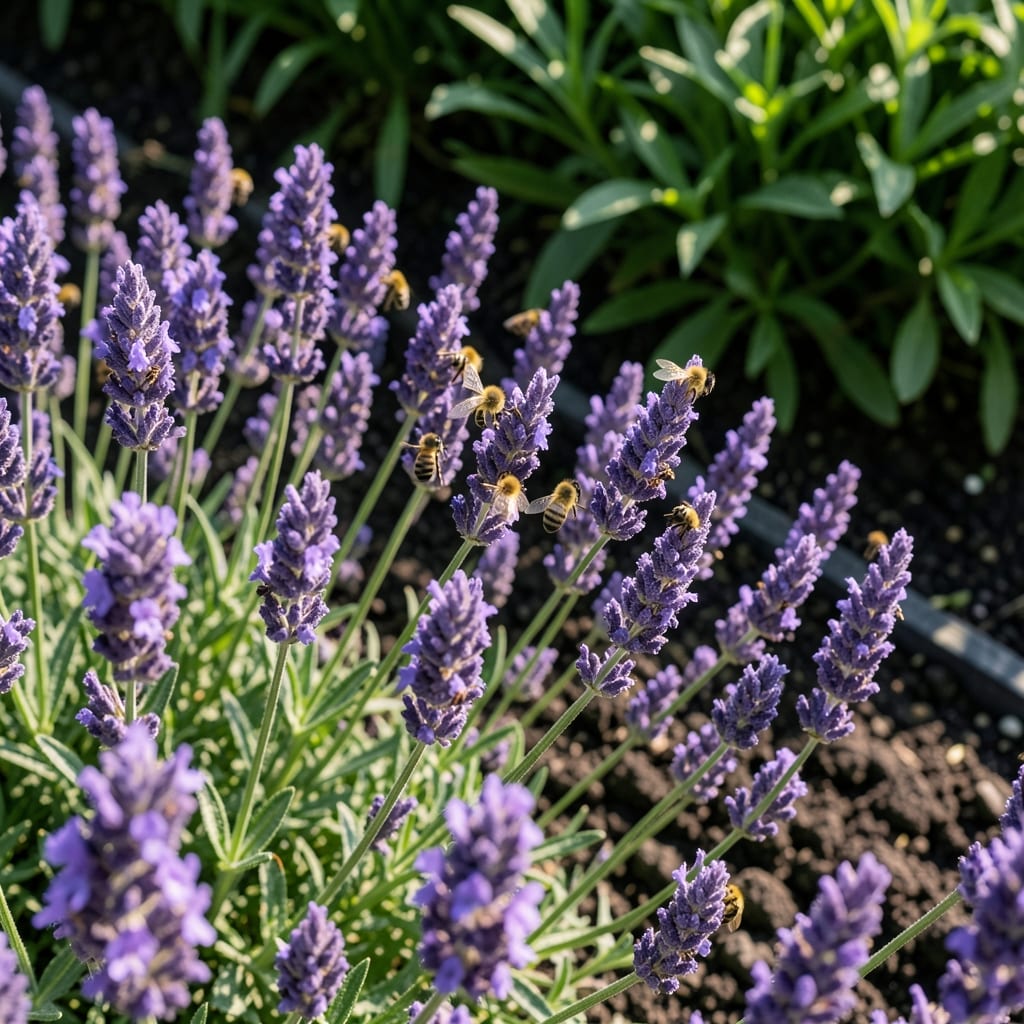
Yes, bees are a keystone species because they pollinate over 80% of flowering plants, supporting ecosystems, food chains, and agricultural production worldwide.
Without their tireless work, countless plant species would struggle to reproduce, leading to cascading effects throughout entire habitats. I’ve seen firsthand how a decline in bee populations can disrupt food sources for birds, mammals, and even other insects. Their role goes beyond just plants—they’re the invisible thread holding many ecosystems together, making their survival critical for biodiversity. ✨
💡 In This Article
The process begins when bees collect nectar and pollen for their hives. As they move from flower to flower, pollen grains stick to their fuzzy bodies through electrostatic forces. This accidental transfer fertilizes other plants, enabling seed and fruit production. Without this, 75% of food crops would see dramatically reduced yields. 🔥
Each bee can visit up to 5,000 flowers in a single day, transferring pollen across vast distances. This efficiency explains why bee-pollinated crops often produce 30-50% more fruit than wind-pollinated ones. The vibrating technique called buzz pollination also helps release pollen from stubborn flowers like tomatoes. ✨
The ripple effect is staggering. A single hive can support 1-2 acres of orchard. Birds and mammals relying on those plants for food would vanish without this pollination service. Even soil quality improves as decaying plant matter enriches the earth. This interconnected web shows why bees are called ecosystem engineers. 💫
Scientists call this a trophic cascade where changes at one level affect all others. The loss of bees would trigger plant extinctions, followed by herbivore declines, then their predators. This domino effect demonstrates why protecting bees maintains entire ecological communities. ⚡
Consider that 1 in 3 bites of human food depends on pollinators. From almonds to blueberries, our diets would look drastically different. The economic value of bee pollination in the U.S. alone exceeds $15 billion annually. This quantifiable impact underscores their irreplaceable role. 🌟
Bees transfer pollen between flowers as they collect nectar, enabling fertilization. Without this process, 75% of flowering plants would struggle to produce seeds or fruit, drastically reducing biodiversity.
A drop in bees triggers a trophic cascade: plants fail to reproduce, herbivores lose food sources, and predators follow. This domino effect can collapse entire ecosystems, affecting soil, water, and air quality.
While butterflies, birds, and bats help, none match bees’ efficiency. A single bee can visit 5,000 flowers daily, and their fuzzy bodies carry more pollen. Their absence leaves a gap no other species can fully fill.
They shape habitats by enabling plant growth, which provides shelter and food for countless species. Their work supports food chains, enriches soil, and even influences weather patterns through plant transpiration.