
Beautiful Plants For Your Interior
Beautiful Plants For Your Interior
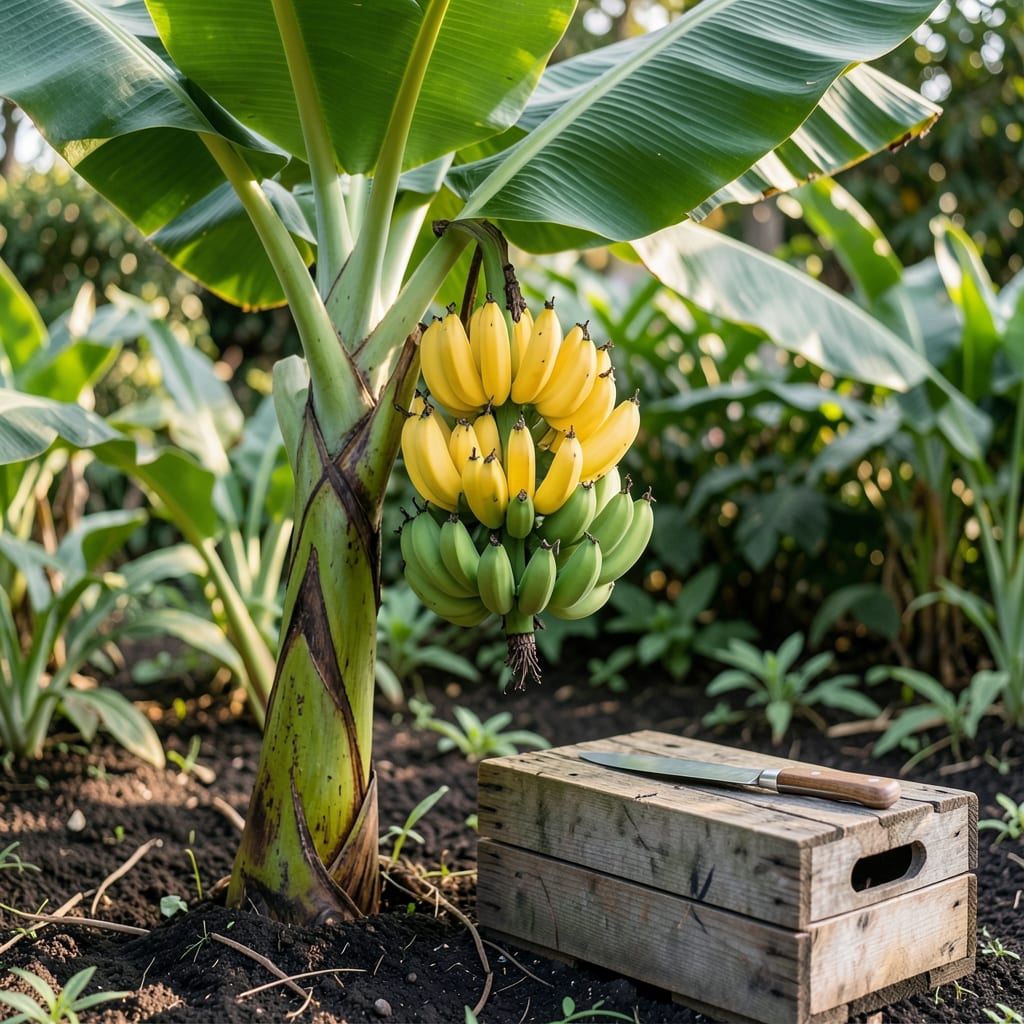
Bananas are generally safe to eat and highly nutritious, but overripe ones may contain higher sugar levels. Rarely, unripe bananas might cause mild digestive discomfort due to resistant starch.
I’ve found that the natural compounds in bananas, like potassium and dietary fiber, make them a powerhouse for heart health and digestion. What’s interesting is how the starch transforms as they ripen—green bananas have more resistant starch, which can be tougher to digest, while yellow ones become sweeter and gentler on the stomach. 🔥
For best results, I recommend eating them when they’re bright yellow with a few brown speckles, as this is when their nutritional balance is ideal.
💡 In This Article
The safety of bananas stems from their natural composition. A medium banana contains about 422mg of potassium, essential for muscle and nerve function. Their sugar content is primarily natural fructose and glucose, with ripe bananas holding 12-15g per 100g—far below harmful levels.
Unripe bananas contain resistant starch, a type of fiber that may cause bloating in sensitive individuals. This starch gradually converts to simple sugars as the banana ripens, changing its digestive impact. The green peel also has higher tannin concentrations, which can taste astringent and may irritate some stomachs.
What’s fascinating is how bananas produce ethylene gas naturally, accelerating their own ripening process. This means a banana left at room temperature can go from firm and starchy to soft and sweet in just 2-3 days. The ethylene also affects nearby fruits, making bananas a natural ripening agent for avocados or tomatoes. ✨
Potassium toxicity from bananas is extremely rare—you’d need to consume 400+ bananas in a short time to reach dangerous levels. The body efficiently processes potassium, with excess amounts typically excreted through urine. This makes bananas one of the safest high-potassium foods available.
For those monitoring blood sugar, the glycemic index of bananas varies with ripeness. An unripe banana scores around 30 GI, while an overripe one can reach 60 GI. This difference matters for diabetics, as the slower-digesting starch in green bananas causes a more gradual blood sugar rise.
The only real concern comes from pesticide residues on conventional bananas. Washing the peel before eating can reduce surface contaminants, though organic options minimize this risk entirely. 🔥
Yes, green bananas may cause mild bloating due to resistant starch. This fiber is harder to digest until the fruit ripens.Those with sensitive stomachs should opt for yellow ones.
There’s no strict limit, but eating 10+ bananas in a short time may cause discomfort. The body processes their natural sugars and potassium efficiently in normal amounts.
No, bananas contain no toxic compounds in edible amounts. Even their peel, while not typically eaten, isn’t poisonous. The only concern is pesticide residue on conventional fruit.
Brown speckles indicate peak sweetness. The sugar content increases as starch converts, but this doesn’t affect safety. Just avoid moldy or slimy areas.
Yes, but portion control matters. A medium banana has about 14g of natural sugars. Pairing it with protein or fat can help moderate blood sugar impact.