
Beautiful Plants For Your Interior
Beautiful Plants For Your Interior
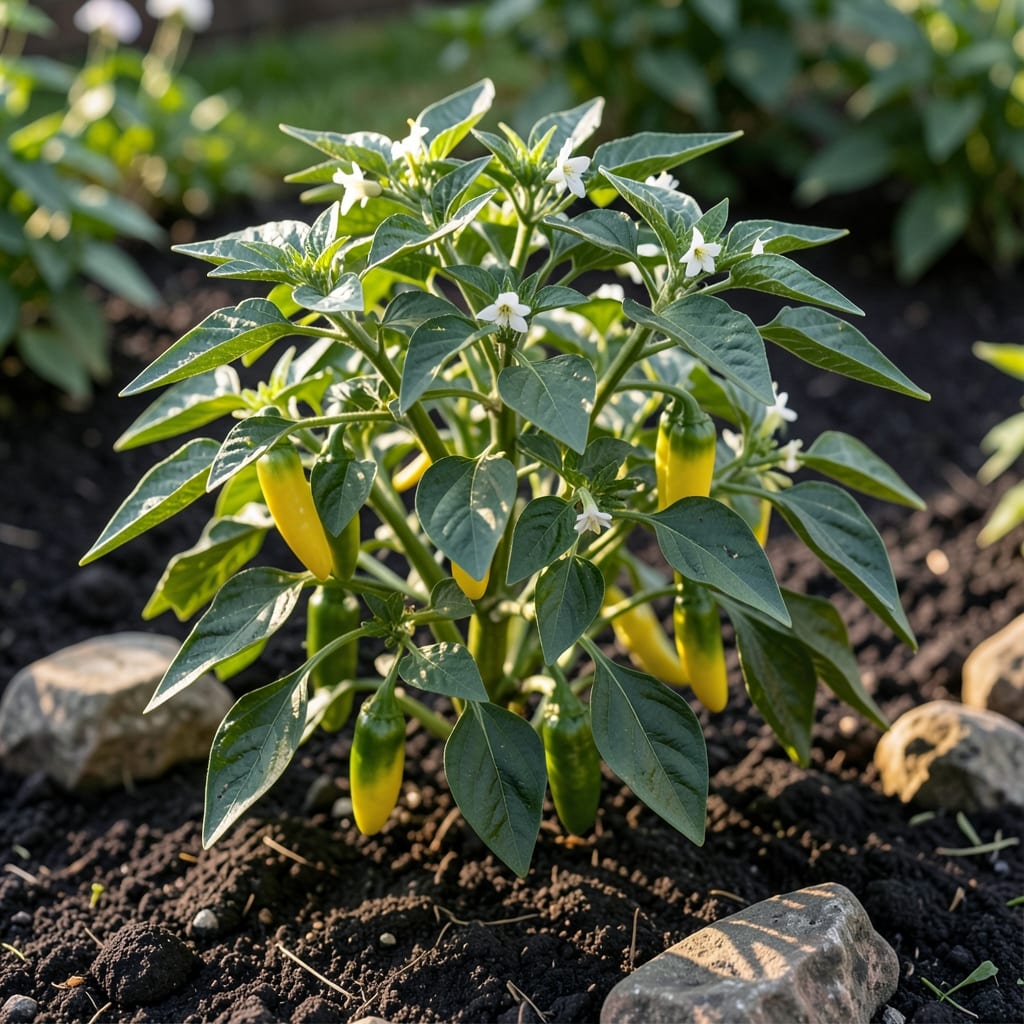
Banana peppers are not toxic to dogs in small amounts, but their capsaicin content can cause stomach upset, diarrhea, or vomiting. Always remove seeds and stems before offering tiny pieces as an occasional treat.
I’ve seen dogs react differently to capsaicin than humans because their digestive systems are more sensitive to spicy compounds. Even mild peppers can irritate their stomach lining, leading to discomfort or digestive issues. It’s best to introduce any new food slowly and watch for signs like excessive licking or restlessness. ✨
For safety, stick to tiny, seedless portions and avoid making it a regular part of their diet. 💫
💡 In This Article
Dogs have up to 300 million olfactory receptors compared to our 6 million, making their sense of smell 10,000-100,000 times more sensitive. This heightened perception extends to taste, particularly for capsaicin—the compound that makes peppers spicy. While humans experience heat, dogs detect it as a potent irritant that can trigger immediate discomfort. 🔥
The science lies in their digestive enzymes. Canines lack the specific proteins that help humans break down capsaicin efficiently. Instead, the compound lingers, potentially causing inflammation in the stomach lining and intestines. Even mild banana peppers contain 0.001-0.5% capsaicin, enough to upset a dog’s sensitive system. 💫
Size also plays a role. A 10-pound dog processes compounds differently than a 100-pound one. What might cause mild indigestion in a large breed could lead to vomiting or diarrhea in a smaller dog. The concentration of capsaicin per pound of body weight becomes significantly higher in tiny pets. ⚡
Unlike humans who might enjoy the endorphin rush from spicy foods, dogs don’t associate the burning sensation with pleasure. Their pain receptors interpret capsaicin as a threat, which is why you might see behaviors like pawing at the mouth or excessive drooling after ingestion. 🌟
Banana peppers are milder than jalapeños (2,500-8,000 SHU vs 100-500 SHU), but the difference matters little to canine physiology. The heat scale we use doesn’t translate the same way for dogs—what’s barely noticeable to us can be intensely uncomfortable for them. ✨
For dogs under 20 pounds, limit to 1-2 tiny pieces per week. Remove all seeds and stems first, as they contain the most capsaicin. Always monitor for signs of discomfort afterward.
Watch for excessive drooling, lip licking, or pawing at the mouth within 30-60 minutes. Vomiting or diarrhea may follow if the reaction is severe. Offer water and contact your vet if symptoms persist.
Cooking doesn’t eliminate capsaicin, so the risks remain the same. However, it may soften the texture, making it easier to remove seeds. Still, only offer tiny amounts as an occasional treat.
No, pickled varieties contain added salt, vinegar, and preservatives that can harm your dog. Stick to fresh, raw pieces only, and always in very small quantities.