
Beautiful Plants For Your Interior
Beautiful Plants For Your Interior
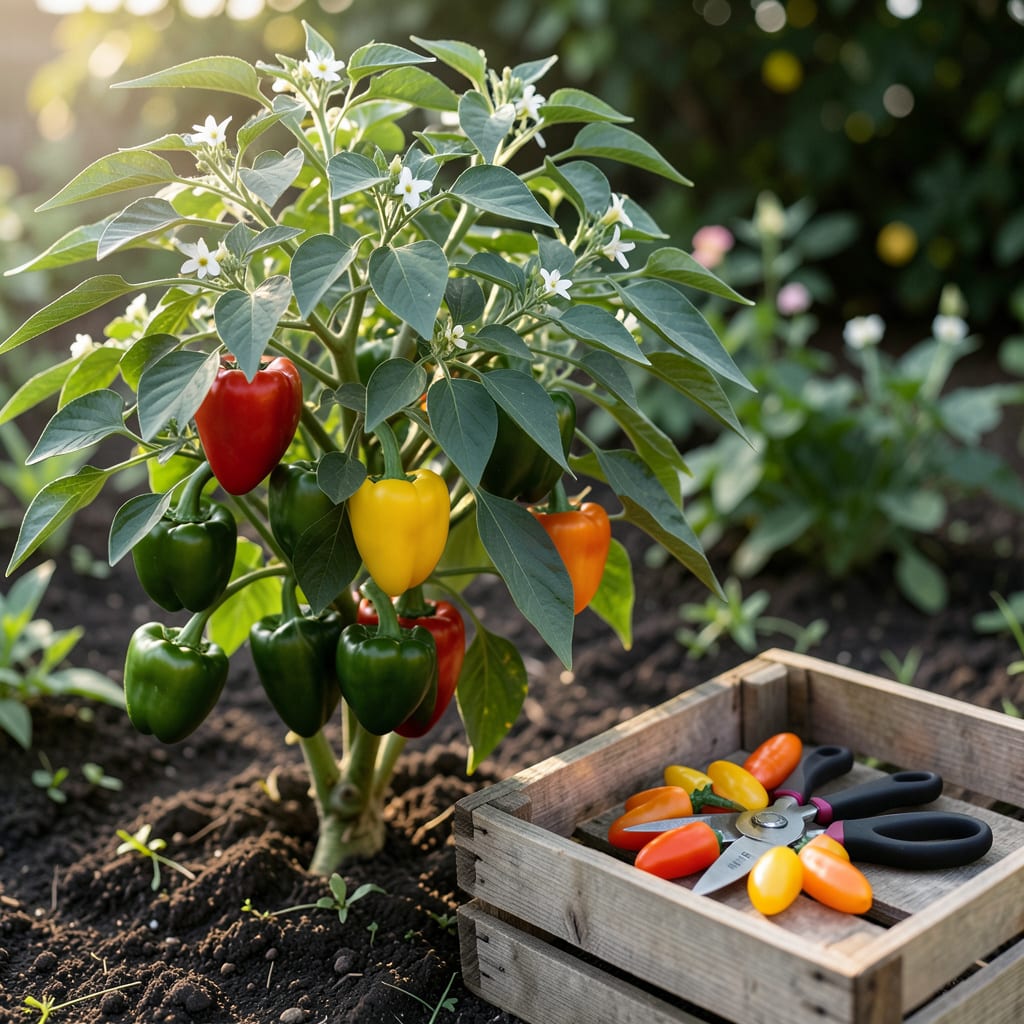
Nothing beats the satisfaction of plucking a perfectly ripe 🌶️ Bell Pepper from your garden. But picking too early or too late can ruin the flavor and texture.
I’ll show you the exact signs of ripeness to ensure peak taste. These simple checks will help you harvest at just the right moment every time.


Knowing when your bell peppers are ready starts with visual cues. The most obvious sign is color change—green varieties turn deep green, while red, yellow, or orange types develop their vibrant hues. Size also matters, as mature peppers typically reach 3-4 inches long and 2-3 inches wide. 🌱
A glossy sheen on the skin indicates ripeness, while a dull appearance often means the pepper needs more time. The texture should feel firm and solid when gently squeezed, not soft or spongy. These signs work for most bell pepper varieties, from classic green to sweet rainbow types. 🌿
| Sign | Ripe Indicator | Not Ready Sign |
|---|---|---|
| Color | Deep, consistent hue | Pale or uneven |
| Size | 3-4 inches long | Small or undersized |
| Texture | Firm to touch | Soft or wrinkled |
| Sheen | Glossy surface | Dull appearance |
I always check the stem area too—a healthy green stem means the pepper is still actively growing. If the stem turns brown or dry, it might be overripe. For colored varieties, wait until the entire pepper has changed from green to its mature color. This ensures maximum sweetness and flavor. 🌻
Another tip I use is the “hollow sound” test. Gently tap the pepper—if it sounds hollow, it’s likely ready. This works because ripe peppers have developed air pockets inside. Just be careful not to press too hard and damage the fruit.
Green bell peppers can be tricky since they don’t change color. For these, focus on size and firmness. They’re usually ready when they reach their expected mature size and feel solid all over. If they start to develop a slight yellow or red tint, they’re transitioning to the next ripeness stage. 🪴
Watch out for common mistakes like harvesting too early. A pepper that’s still small or pale won’t have the full flavor or texture you want. On the other hand, leaving them on the plant too long can lead to overripeness, which may cause them to soften or attract pests.
Different bell pepper varieties have slightly different ripening times. For example, California Wonder typically takes 70-80 days to mature, while Jupiter may be ready in 60-70 days. Always check the seed packet for your specific variety’s timeline.
I’ve found that morning harvesting works best. The peppers are often more firm after a cool night, and the plants are less stressed. Use a sharp pair of scissors or pruners to cut the stem cleanly, leaving about 1 inch of stem attached to avoid damaging the plant. ☀️
Finally, remember that weather conditions can affect ripening. Hot, sunny days speed up the process, while cooler temperatures may slow it down. If frost is in the forecast, it’s best to harvest all peppers, even if they’re not fully ripe, to prevent damage.
I rely on the firmness test to confirm ripeness. Gently squeeze the pepper—it should feel solid and firm, not soft or spongy. This indicates the cell walls are fully developed, giving that perfect crunch when bitten. 🌱
A waxy sheen on the skin is another giveaway. Ripe peppers often have a glossy finish, while immature ones look dull. This sheen develops as the pepper matures and its natural oils rise to the surface. 🌿
The hollow sound test is my favorite trick. Tap the pepper lightly—if it sounds hollow, it’s ready. This happens because air pockets form inside as the pepper matures, creating that characteristic echo. ✂️
For green bell peppers, focus on size and texture since color won’t change. They should reach 3-4 inches long and feel uniformly firm. If they start showing yellow or red streaks, they’re moving toward the next ripeness stage.
Avoid pressing too hard during these tests, as bruising the fruit can lead to spoilage. I use my fingertips for the squeeze test and my knuckles for the tap test to prevent damage. Always handle peppers with care.
I’ve found these methods work for all bell pepper varieties, from sweet California Wonder to colorful Rainbow Bell. The key is consistency—use the same tests every time to develop a feel for ripeness. ☀️
Timing your bell pepper harvest affects both flavor and storage life. For sweetness, wait until peppers reach their full color—red, yellow, or orange varieties develop maximum sugars at this stage. Green peppers can be picked earlier for a milder taste and better storage. ☀️
If you need to store peppers, harvest them when they’re fully grown but still green. These will keep longer in the fridge or freezer. For immediate eating, I always let colored varieties ripen completely on the vine for that burst of sweetness. 🌱
Pick green peppers early for storage, but wait for full color for peak sweetness and flavor.
Weather plays a big role in my harvest decisions. Hot, sunny days speed up ripening, while cooler temps slow it down. If frost threatens, I harvest all peppers immediately, even if they’re not fully ripe, to prevent cold damage. 🌿
For variety-specific timing, California Wonder peppers often need 70-80 days, while Jupiter types may mature in 60-70 days. Always check your seed packet for exact timelines, as growing conditions can vary. 🪴
I prefer to harvest in the early morning when peppers are firm and the plants are less stressed. Use sharp scissors or pruners to cut the stem cleanly, leaving about 1 inch attached to avoid harming the plant. This method ensures a clean break and reduces disease risk.
Green bell peppers are ripe when they reach 3-4 inches long and feel firm all over. Since they don’t change color, focus on size and texture. A slight yellow or red tint means it’s transitioning to the next stage.
Color depends on the variety. Some are bred to stay green, while others mature to red, yellow, or orange. Colored varieties develop more natural sugars, making them sweeter when fully ripe.
Early harvest results in smaller size, paler color, and less flavor. The texture may also be softer, and the pepper won’t store as well. Always wait for full size and firmness.
Yes! Frost can damage the fruit. Harvest all peppers, even unripe ones, if frost is forecasted. Store green peppers in a cool, dry place to continue ripening indoors.
