
Beautiful Plants For Your Interior
Beautiful Plants For Your Interior
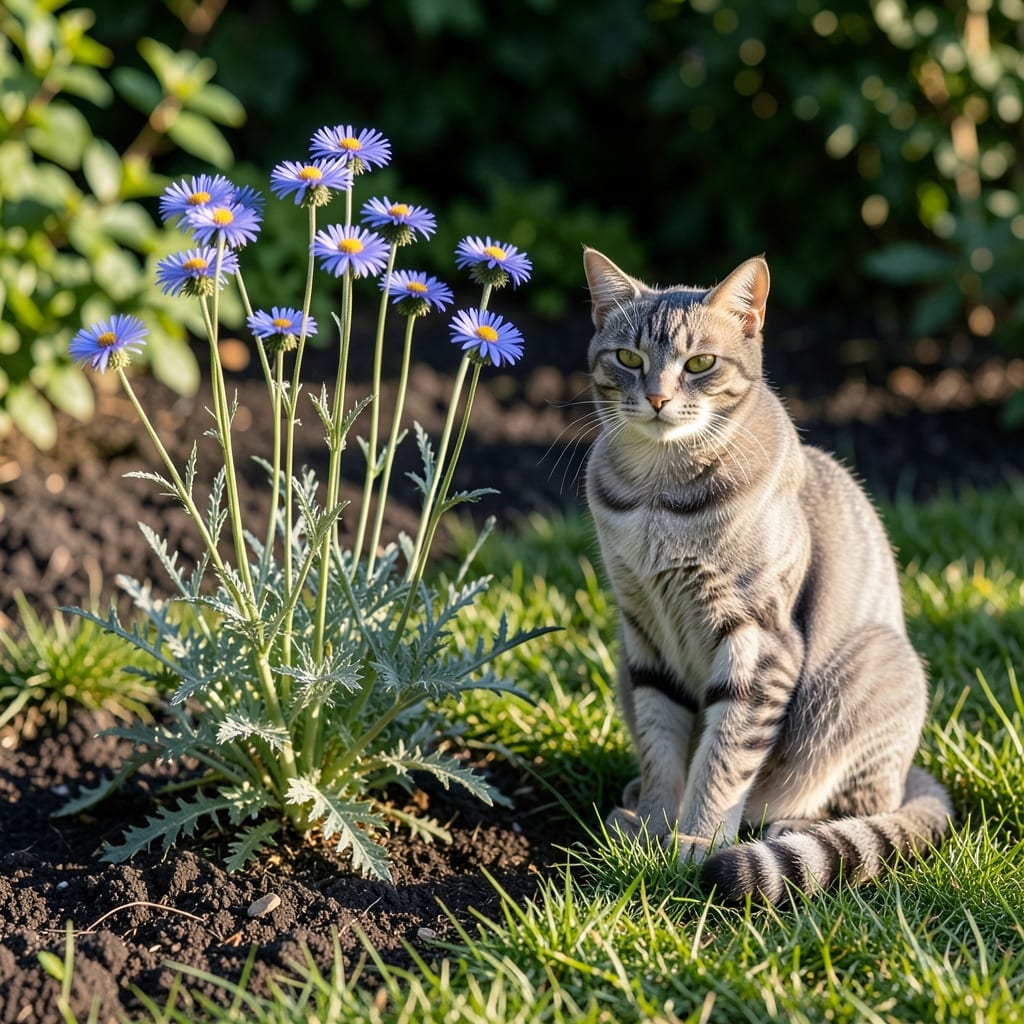
Bachelor buttons are non-toxic to cats according to the ASPCA, so accidental ingestion typically causes only mild stomach upset if any.
I’ve found that many cat owners worry about garden plants, but these vibrant blooms are actually safe. The ASPCA classifies them as harmless, with any reactions usually limited to temporary digestive discomfort. Still, I recommend monitoring your pet after exposure, just in case. ✨
What sets bachelor buttons apart from dangerous plants like lilies is their lack of toxic compounds. This makes them a great choice for cat-friendly gardens. 💫
💡 In This Article
The safety of bachelor buttons comes down to their chemical makeup. Unlike toxic plants such as lilies or foxglove, these flowers lack harmful alkaloids or glycosides that trigger severe reactions.
Their petals and leaves contain only trace amounts of saponins, which in large quantities might cause mild irritation, but bachelor buttons have such low concentrations that they pose no real danger.
What’s fascinating is how bachelor buttons compare to other garden plants. Lilies, for example, contain nephrotoxic compounds that can cause kidney failure in cats, while foxglove’s cardiac glycosides disrupt heart function. Bachelor buttons, on the other hand, are about as harmless as edible flowers like nasturtiums.
The ASPCA’s classification confirms they don’t produce the toxic secondary metabolites that make other plants dangerous. ✨
Even if your cat nibbles on a few petals or leaves, the worst that typically happens is a mild stomach ache. This is because the plant material is fibrous and unfamiliar to a cat’s digestive system, not because of any inherent toxicity.
Think of it like how eating too much grass might upset a cat’s stomach—unpleasant, but not life-threatening.
Scientifically, bachelor buttons belong to the Centaurea genus, and their non-toxic status is well-documented. Their primary compounds are flavonoids and anthocyanins, which give them their vibrant colors but are biologically inert in cats. These are the same pigments found in blueberries and other safe, everyday foods we consume without issue. 💫
This makes bachelor buttons a rare garden gem: beautiful, easy to grow, and completely safe around pets. You can plant them confidently knowing they won’t harm your feline friends, even if curiosity gets the better of them. The only precaution?
Monitor your cat for any unusual behavior, just as you would with any new plant introduction.
Stay calm. The flowers are non-toxic, so simply monitor your pet for 24-48 hours. Offer fresh water and watch for mild digestive upset like vomiting. Call your vet if symptoms persist.
Yes, the entire plant—petals, leaves, and stems—is considered non-toxic to cats. While the fibrous material might cause temporary stomach discomfort, there are no harmful compounds present.
Use raised beds or hanging baskets to keep plants out of reach. You can also create physical barriers or place them in less-trafficked garden areas your cat avoids.
Watch for excessive drooling, vomiting, or lethargy. These are rare with bachelor buttons but could indicate an individual sensitivity. Always consult your vet if you notice unusual behavior.