
Beautiful Plants For Your Interior
Beautiful Plants For Your Interior
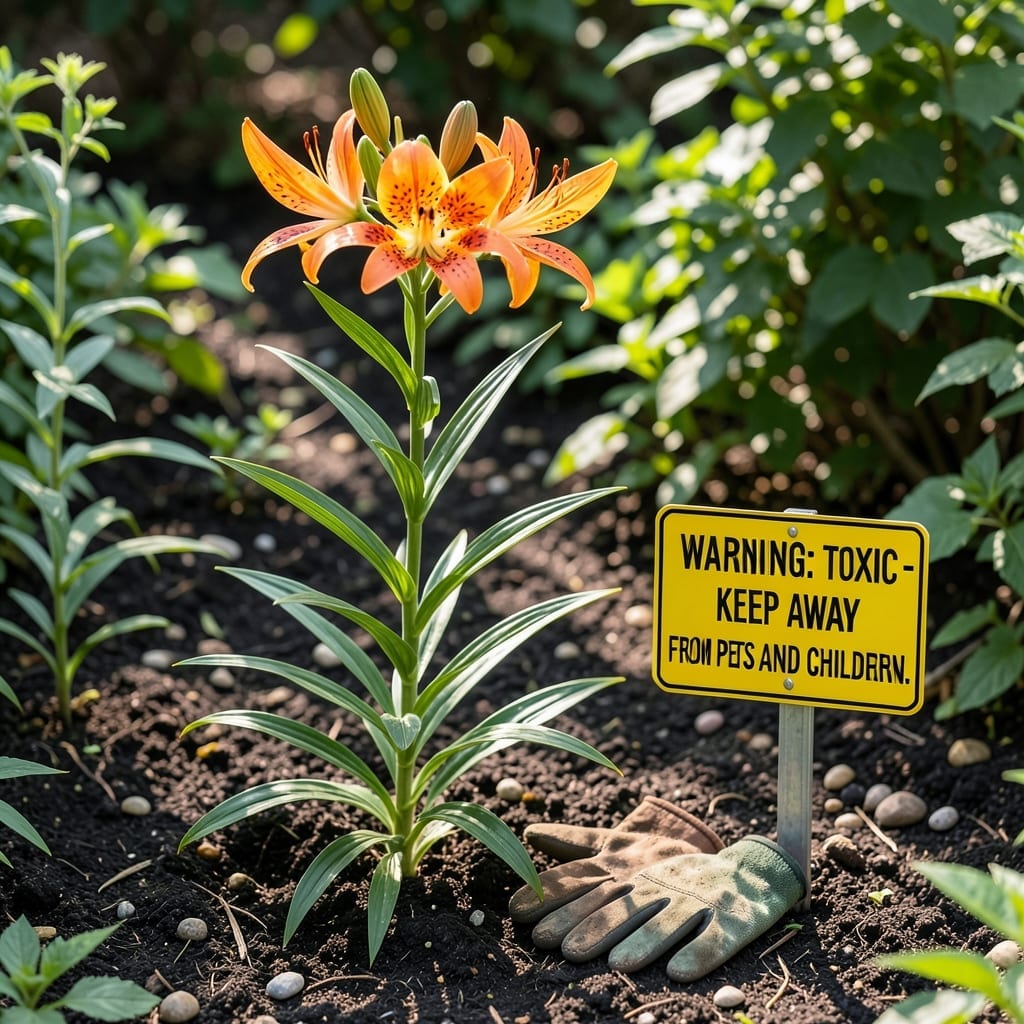
Yes, Asiatic lilies are highly toxic to cats and moderately toxic to dogs. All parts of the plant, especially the bulbs, can cause severe kidney failure in cats and gastrointestinal upset in dogs. They are not considered poisonous to humans.
I’ve seen firsthand how even small amounts of these lilies can trigger rapid poisoning in pets. Cats are particularly vulnerable due to their unique metabolism, while dogs may experience vomiting or diarrhea. Always keep these plants far from curious paws. 🌟
For pet owners, this means vigilance in gardens or bouquets. The toxins are potent enough that even pollen or water from a vase can pose risks to cats. 💫
💡 In This Article
The primary culprits are water-soluble toxins called steroidal glycosides, particularly convallarin and convallamarin. These compounds disrupt cellular function by interfering with sodium-potassium pumps in heart and kidney cells. In cats, this leads to acute kidney failure within 12-24 hours as the toxins accumulate in renal tubules. 🔥
All parts contain these toxins, but bulbs have the highest concentration—up to 10 times more than stems or leaves. Even 1-2 lily petals or a small amount of pollen can trigger poisoning. The toxins absorb quickly through the digestive tract, with symptoms appearing in as little as 2 hours in cats. ✨
Dogs metabolize these compounds differently, which is why they typically experience less severe effects. However, ingestion can still cause vomiting, drooling, and lethargy. The difference lies in how feline kidneys process the glycosides, making cats 3-5 times more susceptible than dogs. 💫
What makes these toxins particularly dangerous is their stability. They remain active even in dried plants or cut flowers, maintaining potency for weeks. This means a wilting bouquet can be just as hazardous as a fresh garden plant. 🌟
For comparison, true lilies (Lilium) and daylilies (Hemerocallis) share similar toxins, while peace lilies (Spathiphyllum) contain different compounds. This distinction matters for diagnosis, as treatment protocols vary between toxin types. ⚡
The bulbs contain the highest concentration of toxins—up to 10 times more than other parts. However, even 1-2 petals or pollen can trigger poisoning in pets.
In cats, signs may show within 2 hours, while dogs often take 6-12 hours. Immediate vet care is critical, especially for felines.
Yes, the toxins remain potent for weeks even in dried plants or cut flowers. Never assume wilting blooms are safe.
Remove plant material from their mouth, rinse their fur, and call your vet or pet poison control immediately. Time is critical.
Try roses, sunflowers, or orchids for similar beauty without risk. Creeping thyme and catnip are safe ground cover options.